High-quality 3D assets at affordable prices — trusted by designers, engineers, and creators worldwide. Made with care to be versatile, accessible, and ready for your pipeline.
Included File Formats
This model is provided in 14 widely supported formats, ensuring maximum compatibility:
• - FBX (.fbx) – Standard format for most 3D software and pipelines
• - OBJ + MTL (.obj, .mtl) – Wavefront format, widely used and compatible
• - STL (.stl) – Exported mesh geometry; may be suitable for 3D printing with adjustments
• - STEP (.step, .stp) – CAD format using NURBS surfaces
• - IGES (.iges, .igs) – Common format for CAD/CAM and engineering workflows (NURBS)
• - SAT (.sat) – ACIS solid model format (NURBS)
• - DAE (.dae) – Collada format for 3D applications and animations
• - glTF (.glb) – Modern, lightweight format for web, AR, and real-time engines
• - 3DS (.3ds) – Legacy format with broad software support
• - 3ds Max (.max) – Provided for 3ds Max users
• - Blender (.blend) – Provided for Blender users
• - SketchUp (.skp) – Compatible with all SketchUp versions
• - AutoCAD (.dwg) – Suitable for technical and architectural workflows
• - Rhino (.3dm) – Provided for Rhino users
Model Info
• - All files are checked and tested for integrity and correct content
• - Geometry uses real-world scale; model resolution varies depending on the product (high or low poly)
• • - Scene setup and mesh structure may vary depending on model complexity
• - Rendered using Luxion KeyShot
• - Affordable price with professional detailing
Buy with confidence. Quality and compatibility guaranteed.
If you have any questions about the file formats, feel free to send us a message — we're happy to assist you!
Sincerely,
SURF3D
Trusted source for professional and affordable 3D models.
More Information About 3D Model :
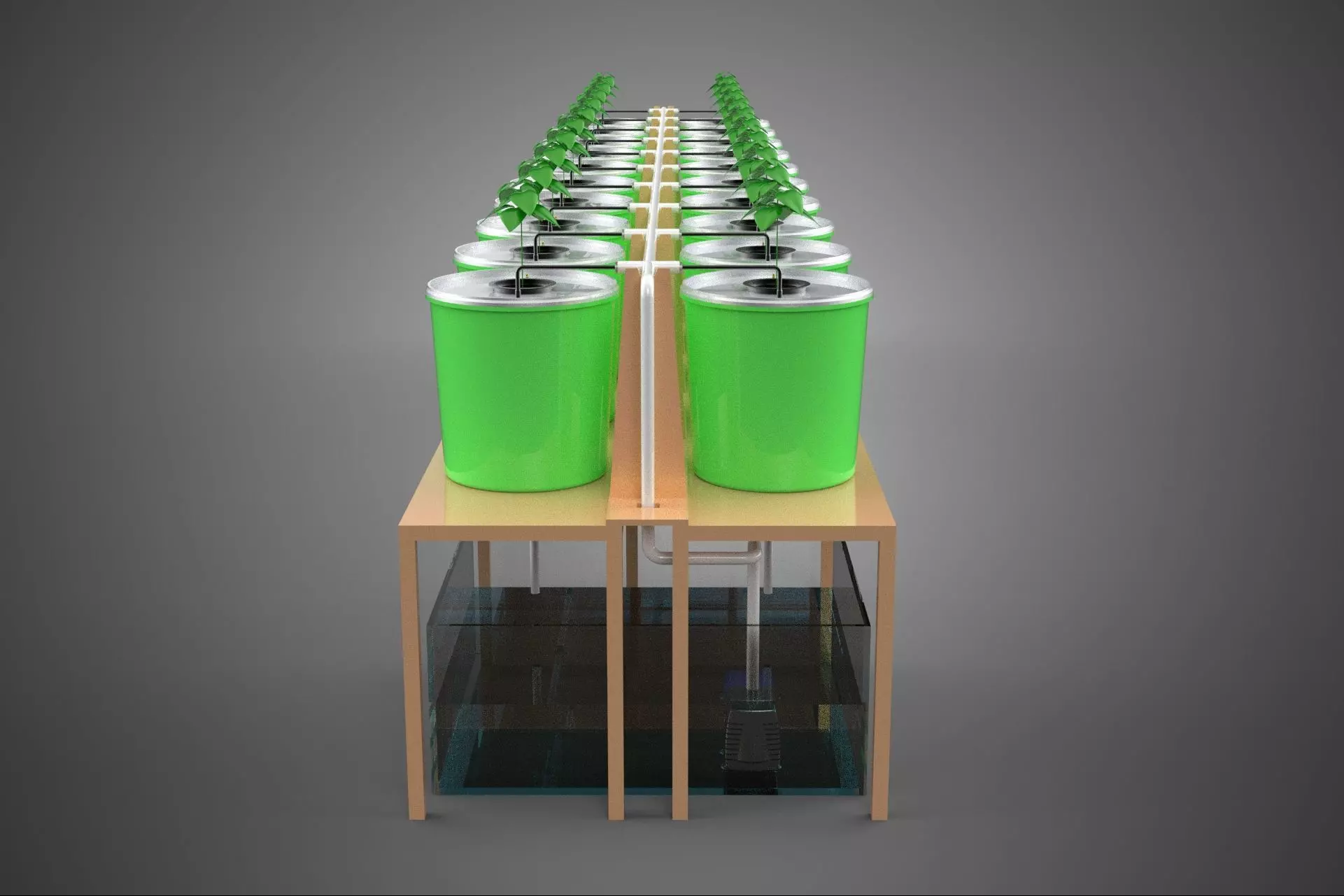
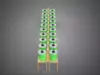
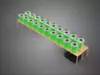
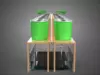
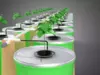
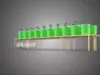
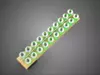
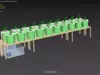
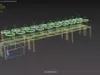
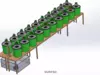
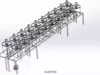
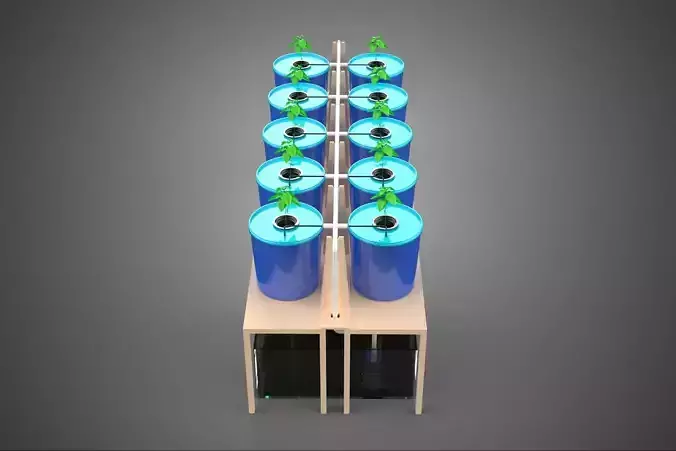
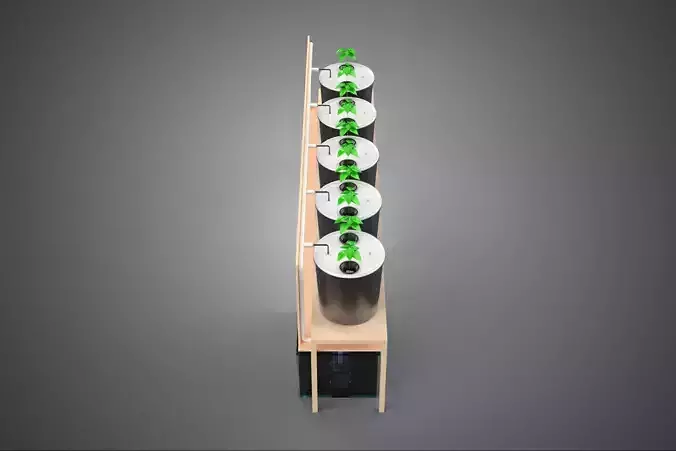
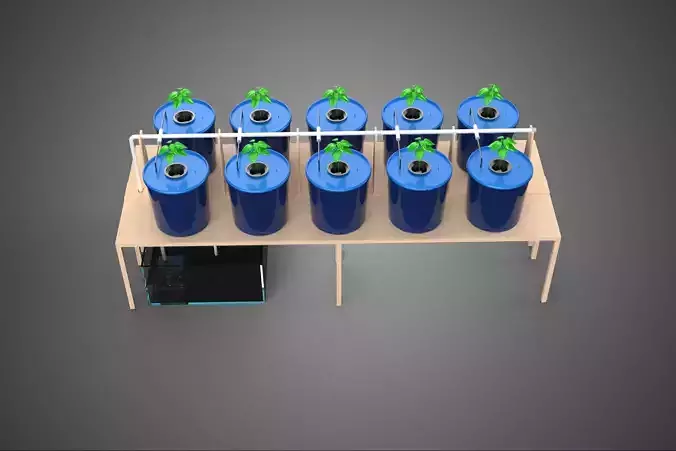
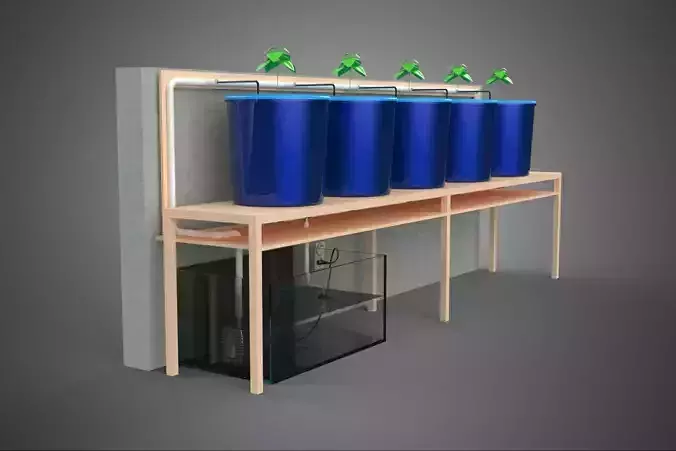
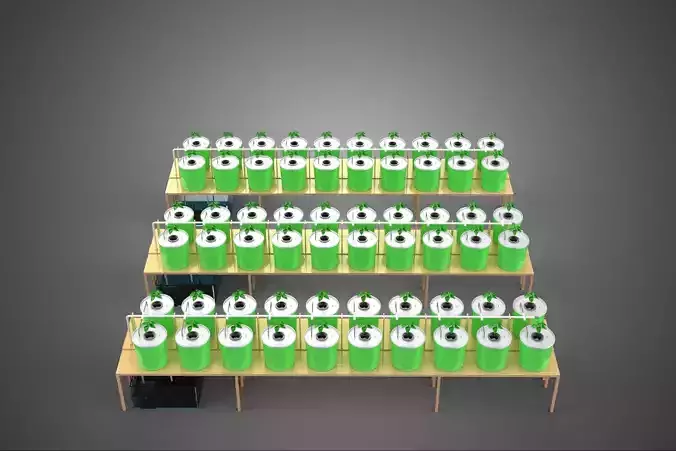
The Bato Bucket System, commonly referred to as the Dutch Bucket System, is a specialized, modular hydroponic cultivation technique utilizing individual containers arranged in a scalable array. This system is classified primarily as a closed-loop, recirculating hydroponics method, though specialized configurations can operate in a drain-to-waste mode.
Nomenclature and Design
The term Bato often refers to the specific design of the container (pot), popularized by Dutch manufacturers, which is characterized by a high volume capacity (typically 10 to 12 liters) and a unique low-level drainage outlet. This outlet is usually facilitated by an inverted elbow siphon mechanism inserted near the base of the bucket. This design feature is critical: it prevents the entire bucket from emptying completely, maintaining a shallow, temporary nutrient reservoir (approximately 2–5 cm deep) at the bottom while ensuring that the bulk of the growing medium and root structure is above the standing water line, promoting optimal root aeration.
Operational Mechanism (The Array)
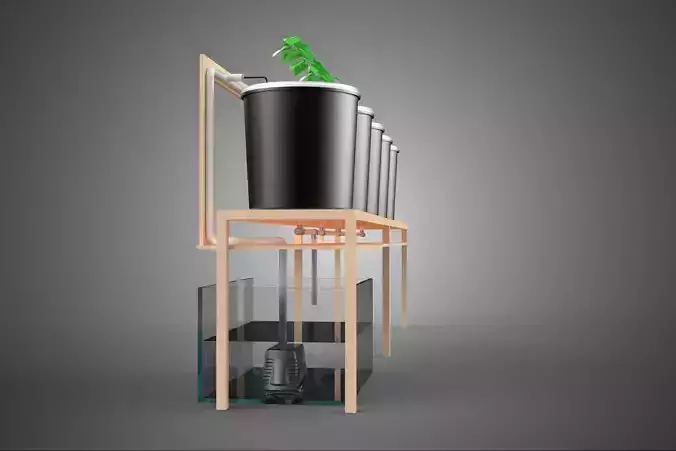
The system functions through precision drip irrigation (fertigation). Nutrient-rich solution is pumped from a central reservoir through a main distribution line (manifold) and delivered via small drippers directly onto the inert growing media within each bucket. Suitable inert media include perlite, coco coir, rockwool, or clay pebbles, which provide physical support and excellent drainage.
As the solution percolates through the medium, it supplies water and essential dissolved minerals to the plant roots. Excess solution drains out of the bucket via the low-level siphon elbow into a common return drainage line. In a recirculating system, this effluent is channeled back to the central reservoir, filtered, and pH/EC adjusted before being reused. The modular configuration of the individual Bato buckets allows for easy expansion or reduction of the array based on cultivation needs, typically organized into parallel rows fed by a common supply.
Distinction from Aeroponics
While the system is often conflated with aeroponics in promotional materials, the Bato Bucket method is fundamentally a substrate-based hydroponic culture. True aeroponics involves suspending roots entirely in air and misting them with fine nutrient droplets. Conversely, the Bato system utilizes a granular substrate. However, the efficient drainage and high oxygen exchange facilitated by the low water retention within the bucket mimic the high oxygen saturation benefits sought in aeroponic setups, particularly in the root zone above the retained water layer.
Cultivation Suitability
Due to the substantial volume of substrate provided by the Bato pots, this system is highly suited for large, long-term fruiting or vining crops that require robust root development and high nutrient delivery rates. Primary crops successfully cultivated in Bato Bucket arrays include tomatoes (Solanum lycopersicum), cucumbers (Cucumis sativus), peppers (Capsicum spp.), and large floral varieties. The design simplifies disease control, as individual plants or buckets can be isolated quickly in case of localized issues.
KEYWORDS: Hydroponics, Bato Bucket, Dutch Bucket, Recirculating system, Fertigation, Closed-loop system, Drip irrigation, Trickle system, Modular array, Greenhouse technology, Soilless culture, Perlite, Coco coir, Vining crops, Tomato cultivation, Cucumber cultivation, Siphon elbow, Nutrient management, Drain-to-waste, Substrate culture, Plant cultivation, Intensive agriculture, Controlled environment agriculture, Horticulture, Water efficiency, Root aeration, Nutrient delivery, Reservoir, Manifold, High-density farming.