High-quality 3D assets at affordable prices — trusted by designers, engineers, and creators worldwide. Made with care to be versatile, accessible, and ready for your pipeline.
Included File Formats
This model is provided in 14 widely supported formats, ensuring maximum compatibility:
• - FBX (.fbx) – Standard format for most 3D software and pipelines
• - OBJ + MTL (.obj, .mtl) – Wavefront format, widely used and compatible
• - STL (.stl) – Exported mesh geometry; may be suitable for 3D printing with adjustments
• - STEP (.step, .stp) – CAD format using NURBS surfaces
• - IGES (.iges, .igs) – Common format for CAD/CAM and engineering workflows (NURBS)
• - SAT (.sat) – ACIS solid model format (NURBS)
• - DAE (.dae) – Collada format for 3D applications and animations
• - glTF (.glb) – Modern, lightweight format for web, AR, and real-time engines
• - 3DS (.3ds) – Legacy format with broad software support
• - 3ds Max (.max) – Provided for 3ds Max users
• - Blender (.blend) – Provided for Blender users
• - SketchUp (.skp) – Compatible with all SketchUp versions
• - AutoCAD (.dwg) – Suitable for technical and architectural workflows
• - Rhino (.3dm) – Provided for Rhino users
Model Info
• - All files are checked and tested for integrity and correct content
• - Geometry uses real-world scale; model resolution varies depending on the product (high or low poly)
• • - Scene setup and mesh structure may vary depending on model complexity
• - Rendered using Luxion KeyShot
• - Affordable price with professional detailing
Buy with confidence. Quality and compatibility guaranteed.
If you have any questions about the file formats, feel free to send us a message — we're happy to assist you!
Sincerely,
SURF3D
Trusted source for professional and affordable 3D models.
More Information About 3D Model :
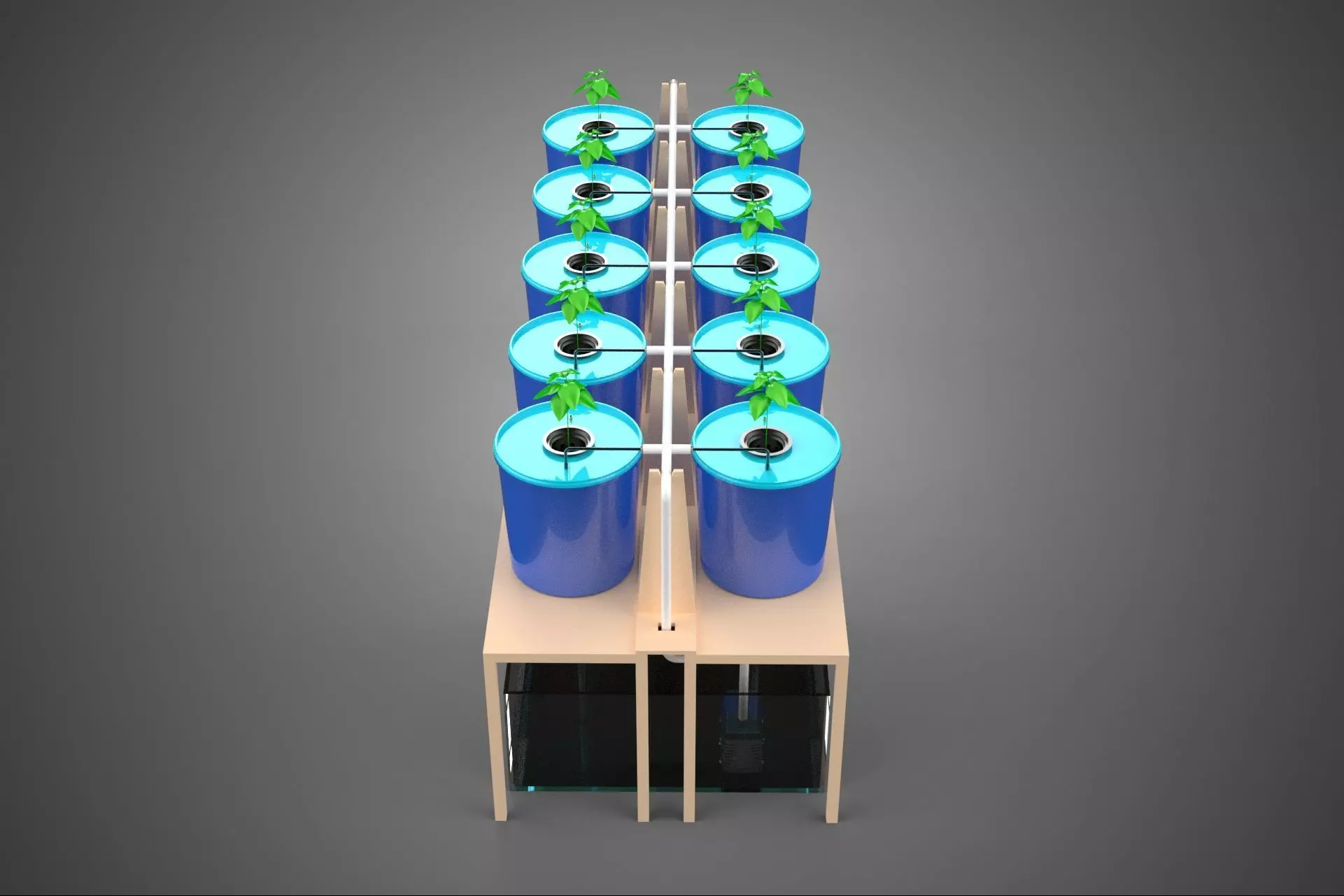
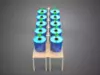
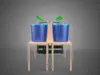
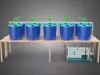
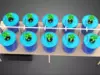
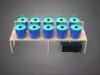
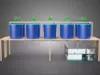
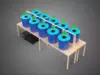
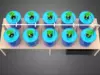
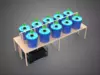
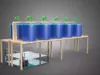
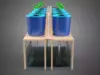
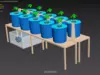
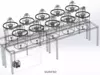
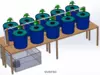
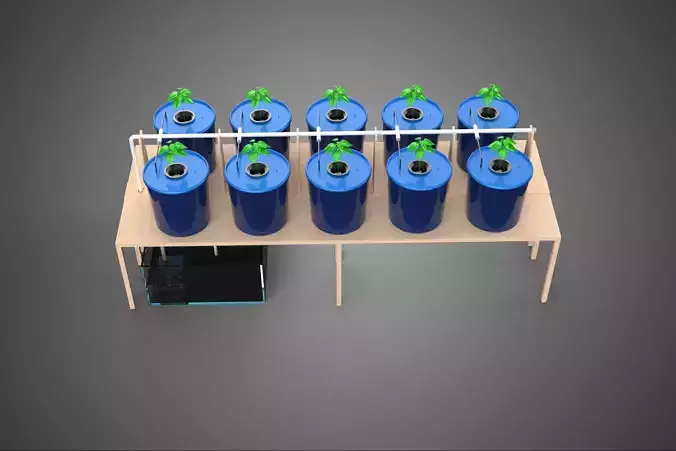
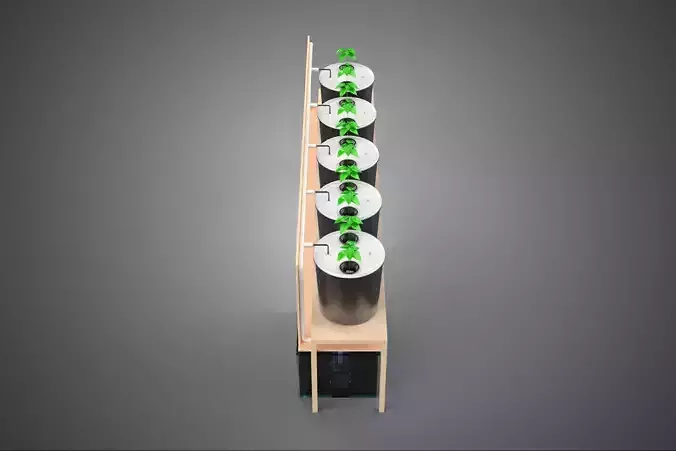
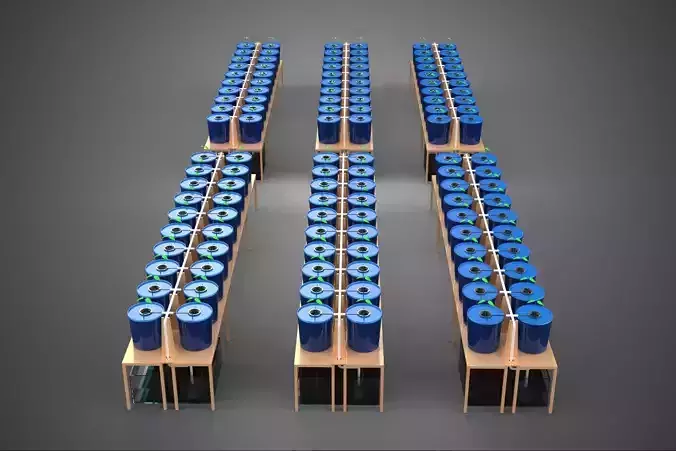
The Dutch Bucket System (DBS), formally recognized as the Bato Bucket System or sometimes the Delta Bucket System, is a highly efficient, closed-loop hydroponic technique used for intensive plant cultivation. Developed and popularized primarily within Dutch horticulture, the system is engineered to provide precise nutrient delivery and exceptional resource conservation, particularly suited for cultivating large, vine-producing, and long-term fruiting crops in controlled environment agriculture (CEA) settings.
System Architecture and Mechanism
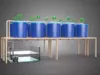
The DBS Bato system operates on the principle of recirculating nutrient film delivery. The primary components include:
- Bato Buckets: Individual, typically rectangular or square, plastic containers holding the plant. These buckets are designed with specific drainage mechanisms, usually an elbow fitting or siphon drain placed near the base, which allows excess nutrient solution to exit while maintaining a small reservoir of solution (a perch water table) at the bottom. This reserve ensures root hydration while simultaneously promoting high levels of oxygenation in the upper root zone.
- Growing Medium: Unlike deep water culture, the DBS utilizes an inert substrate to provide structural support for the roots. Common substrates include perlite, coco coir (often mixed with perlite), or rockwool slabs/cubes. These mediums are chosen for their excellent aeration properties and chemical inertness.
- Nutrient Delivery System: A centralized reservoir stores the carefully balanced hydroponic solution. A submersible pump drives the solution through a main supply line and distributes it to individual Bato Buckets via small-bore drip emitters (often referred to as spaghetti tubing). Irrigation is typically pulsed, occurring several times per day based on the crop stage, light intensity, and environmental conditions.
- Recirculation Channel: Runoff solution that drains from the Bato Buckets is collected in a central gutter or return line positioned slightly below the drainage elbow. Gravity directs this runoff back to the main reservoir. This closed-loop design ensures that nutrients and water are constantly recycled, drastically reducing input costs and environmental discharge compared to drain-to-waste methods.
### Operational Advantages
The Bato Bucket System is favored by commercial growers for several reasons:
- Scalability and Modularity: The standardized size and independent nature of the buckets facilitate easy expansion and reconfiguration of the garden layout. Individual plants can be isolated or removed without disturbing adjacent units.
- Precision Control: The system allows for meticulous management of the root environment, including pH, Electrical Conductivity (EC), dissolved oxygen, and irrigation frequency.
- Disease Management: Since plants are grown in individual containers using inert media, the spread of soil-borne pathogens and root diseases is significantly mitigated compared to trough systems or traditional soil cultivation.
- Water and Nutrient Efficiency: The recirculating mechanism results in superior Water Use Efficiency (WUE) and Nutrient Use Efficiency (NUE), making it an environmentally sound choice for intensive agriculture.
- Versatility: It accommodates large, vigorous plants that require significant support and long growing cycles, which are often challenging to manage in NFT or DWC systems.
### Primary Applications
The DBS is optimally suited for crops exhibiting an indeterminate growth habit and requiring substantial nutrient uptake. Principal applications include commercial cultivation of:
- Tomatoes (Solanum lycopersicum)
- Cucumbers (Cucumis sativus)
- Capsicums (Bell peppers and chili peppers)
- Eggplants (Solanum melongena)
- Large ornamental plants and specific floral varieties.
The system represents a mature technology within high-tech hydroponics, offering a robust, low-maintenance platform for high-yield food production in controlled environments.
KEYWORDS: Hydroponics, Bato Bucket, Dutch Bucket System, DBS, Delta Bucket, Recirculating Hydroponics, Plant Cultivation, Greenhouse, Commercial Agriculture, CEA, Controlled Environment Agriculture, Nutrient Film Technique, Drip Irrigation, Perlite, Coco Coir, Rockwool, Substrate, Inert Medium, Solanum Lycopersicum, Cucumis Sativus, Tomatoes, Cucumbers, Water Use Efficiency, Nutrient Use Efficiency, Drainage System, Modular System, Root Zone, High-Yield Farming, Closed-Loop System, Horticultural Technology, Indeterminate Crops, Fertigation.