High-quality 3D assets at affordable prices — trusted by designers, engineers, and creators worldwide. Made with care to be versatile, accessible, and ready for your pipeline.
Included File Formats
This model is provided in 14 widely supported formats, ensuring maximum compatibility:
• - FBX (.fbx) – Standard format for most 3D software and pipelines
• - OBJ + MTL (.obj, .mtl) – Wavefront format, widely used and compatible
• - STL (.stl) – Exported mesh geometry; may be suitable for 3D printing with adjustments
• - STEP (.step, .stp) – CAD format using NURBS surfaces
• - IGES (.iges, .igs) – Common format for CAD/CAM and engineering workflows (NURBS)
• - SAT (.sat) – ACIS solid model format (NURBS)
• - DAE (.dae) – Collada format for 3D applications and animations
• - glTF (.glb) – Modern, lightweight format for web, AR, and real-time engines
• - 3DS (.3ds) – Legacy format with broad software support
• - 3ds Max (.max) – Provided for 3ds Max users
• - Blender (.blend) – Provided for Blender users
• - SketchUp (.skp) – Compatible with all SketchUp versions
• - AutoCAD (.dwg) – Suitable for technical and architectural workflows
• - Rhino (.3dm) – Provided for Rhino users
Model Info
• - All files are checked and tested for integrity and correct content
• - Geometry uses real-world scale; model resolution varies depending on the product (high or low poly)
• • - Scene setup and mesh structure may vary depending on model complexity
• - Rendered using Luxion KeyShot
• - Affordable price with professional detailing
Buy with confidence. Quality and compatibility guaranteed.
If you have any questions about the file formats, feel free to send us a message — we're happy to assist you!
Sincerely,
SURF3D
Trusted source for professional and affordable 3D models.
More Information About 3D Model :
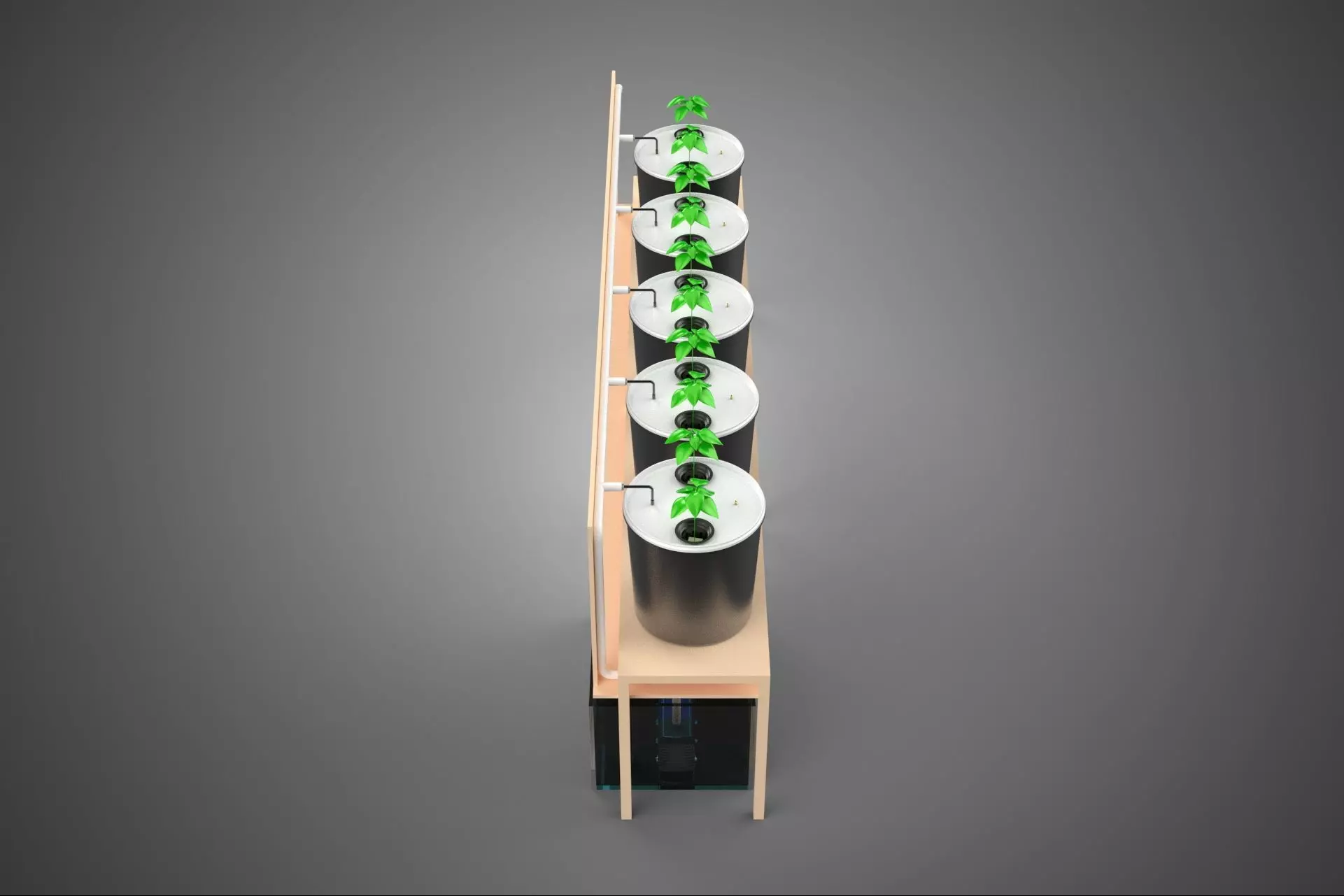
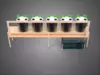
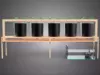
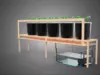
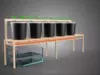
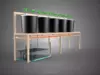
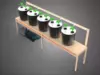
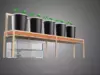
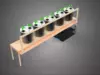
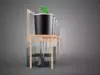
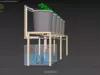
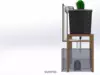
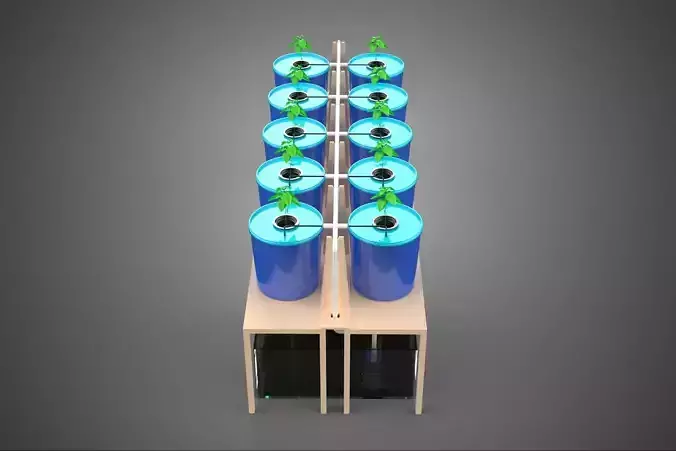
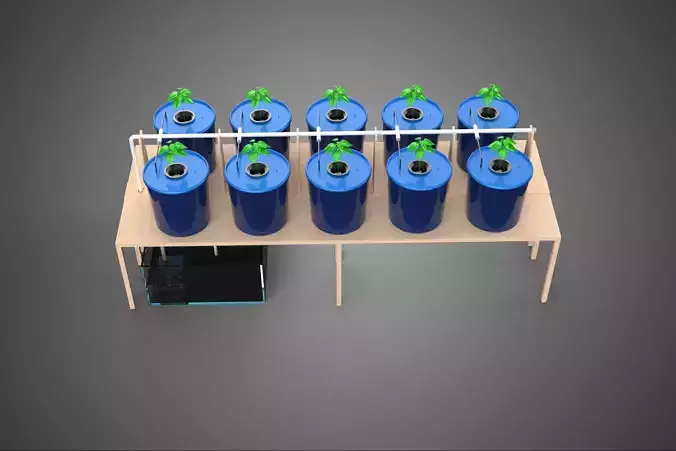
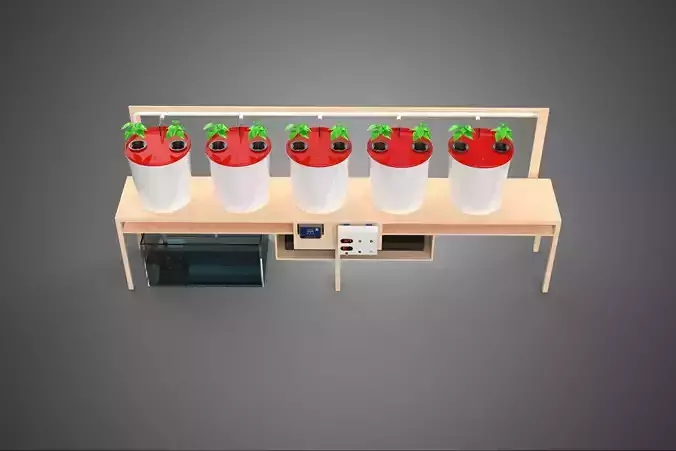
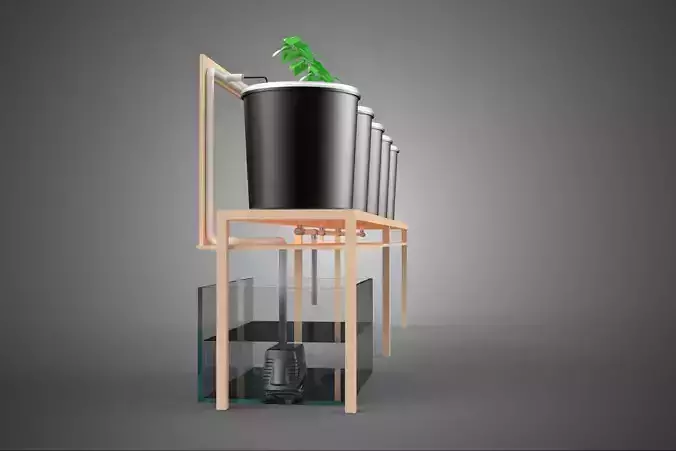
The Bato Bucket System, widely recognized as the Dutch Bucket System, is a specific methodology within the field of recirculating hydroponics, optimized for the cultivation of large, vining, or demanding plant species. Developed in the Netherlands, this technique provides a high-efficiency solution for commercial horticulture and advanced home gardening, characterized by its modular structure and effective management of nutrient delivery and drainage.
Definition and Nomenclature
The system derives its common name, the Dutch Bucket System, from its origins in intensive Dutch greenhouse agriculture. The term Bato Bucket refers specifically to the plastic container component, often manufactured with proprietary fittings designed for optimal drainage control. It is classified as a substrate-based, drip-fed, closed-loop hydroponic system, meaning plants are grown in an inert medium and the nutrient solution is collected and recycled.
Operational Mechanism
The Bato Bucket System functions by delivering nutrient-rich water from a centralized reservoir via a network of main and feeder lines to individual buckets. This delivery mechanism utilizes low-pressure pumps and fine drip emitters, typically providing short, pulsed feedings several times per day, depending on the crop stage and environmental conditions.
The core distinction of the Bato Bucket lies in its drainage mechanism. Each bucket is equipped with a specialized elbow fitting, positioned near the base, which maintains a shallow, standing pool of nutrient solution (typically 1 to 2 inches deep). This small residual volume prevents the lower root mass from desiccating between irrigation cycles while ensuring that the majority of the root zone remains exposed to air, thereby promoting optimal oxygenation.
Excess solution, termed 'effluent,' drains out of the elbow fitting and flows into a common return channel, usually a PVC pipe or specialized gutter. This gravity-fed return channel routes the solution back to the main reservoir. Here, the nutrient composition (measured via Electrical Conductivity, EC) and the acidity/alkalinity (pH level) are adjusted before the solution is pumped out again, creating a highly efficient, closed-loop cycle that minimizes water and fertilizer waste.
Structure and Components
A standard Bato Bucket installation comprises five critical elements:
- Buckets (Bato Buckets): Opaque plastic containers, typically square or rectangular, selected to prevent light infiltration that could foster algal growth within the substrate.
- Growing Medium: An inert substrate that provides physical support and wicking capability. Common choices include perlite, coco coir, rockwool, or a blend thereof.
- Drip System: A pump, manifold, and individual drip emitters dedicated to each bucket, controlling the frequency and volume of nutrient application.
- Drainage Fittings: The integral elbow mechanism which maintains the shallow nutrient level and directs effluent flow.
- Reservoir and Return Line: A central tank for nutrient mixing, monitoring, and storage, connected to the buckets by the gravity-assisted return line.
### Applications and Suitability
The Bato Bucket System is particularly advantageous for high-value, long-term fruiting crops that possess substantial water and nutrient demands, and require structural support. Unlike nutrient film technique (NFT) or deep water culture (DWC), the Bato System’s substrate provides superior physical stability, making it ideal for large-scale cultivation of:
- Tomatoes (Solanum lycopersicum)
- Cucumbers (Cucumis sativus)
- Bell Peppers and Chili Peppers (Capsicum annuum)
- Eggplants (Solanum melongena)
- Long-stemmed cut flowers
The modular nature of the system allows for flexible spacing and easy isolation of individual plants, simplifying disease management. If a specific plant or bucket is compromised by root disease, it can be removed from the line without shutting down the entire operation.
### Advantages and Maintenance Considerations
Primary advantages of the Bato Bucket System include exceptional control over the root environment, excellent root zone aeration leading to high yields, efficient use of water and nutrients due to recirculation, and ease of expansion or modification (modularity).
However, the system requires dedicated management. Recirculating systems demand constant vigilance regarding the EC and pH of the solution, as nutrient concentrations can fluctuate rapidly based on plant uptake. Furthermore, the fine particulates often found in nutrient concentrates can lead to clogging of the small drip emitters, necessitating robust filtration systems and routine inspection of the lines.
KEYWORDS: Hydroponics, Bato Bucket, Dutch Bucket, Recirculating System, Substrate Culture, Soilless Farming, Drip Irrigation, Commercial Hydroponics, Protected Agriculture, Nutrient Solution, Effluent, Reservoir, Pump, Inert Medium, Perlite, Coco Coir, Rockwool, Tomatoes, Cucumbers, Peppers, Modular System, Greenhouse Cultivation, Water Efficiency, pH Control, EC Monitoring, Root Zone Aeration, Closed-Loop System, Horticultural Technology, Vining Crops.