High-quality 3D assets at affordable prices — trusted by designers, engineers, and creators worldwide. Made with care to be versatile, accessible, and ready for your pipeline.
Included File Formats
This model is provided in 14 widely supported formats, ensuring maximum compatibility:
• - FBX (.fbx) – Standard format for most 3D software and pipelines
• - OBJ + MTL (.obj, .mtl) – Wavefront format, widely used and compatible
• - STL (.stl) – Exported mesh geometry; may be suitable for 3D printing with adjustments
• - STEP (.step, .stp) – CAD format using NURBS surfaces
• - IGES (.iges, .igs) – Common format for CAD/CAM and engineering workflows (NURBS)
• - SAT (.sat) – ACIS solid model format (NURBS)
• - DAE (.dae) – Collada format for 3D applications and animations
• - glTF (.glb) – Modern, lightweight format for web, AR, and real-time engines
• - 3DS (.3ds) – Legacy format with broad software support
• - 3ds Max (.max) – Provided for 3ds Max users
• - Blender (.blend) – Provided for Blender users
• - SketchUp (.skp) – Compatible with all SketchUp versions
• - AutoCAD (.dwg) – Suitable for technical and architectural workflows
• - Rhino (.3dm) – Provided for Rhino users
Model Info
• - All files are checked and tested for integrity and correct content
• - Geometry uses real-world scale; model resolution varies depending on the product (high or low poly)
• • - Scene setup and mesh structure may vary depending on model complexity
• - Rendered using Luxion KeyShot
• - Affordable price with professional detailing
Buy with confidence. Quality and compatibility guaranteed.
If you have any questions about the file formats, feel free to send us a message — we're happy to assist you!
Sincerely,
SURF3D
Trusted source for professional and affordable 3D models.
More Information About 3D Model :
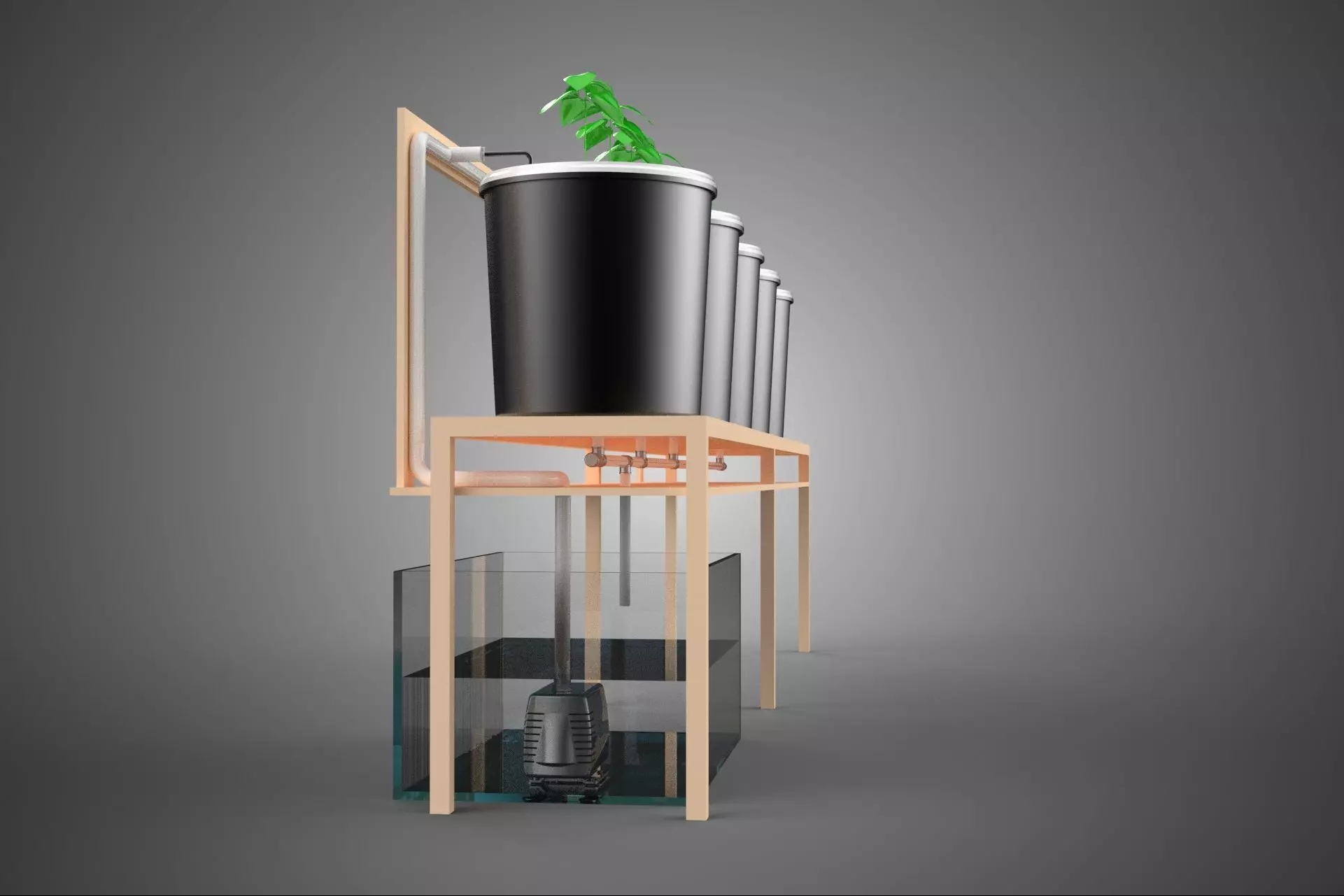
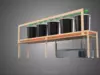
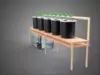
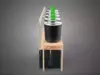
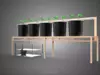
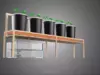
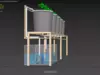
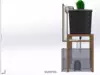
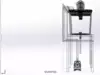
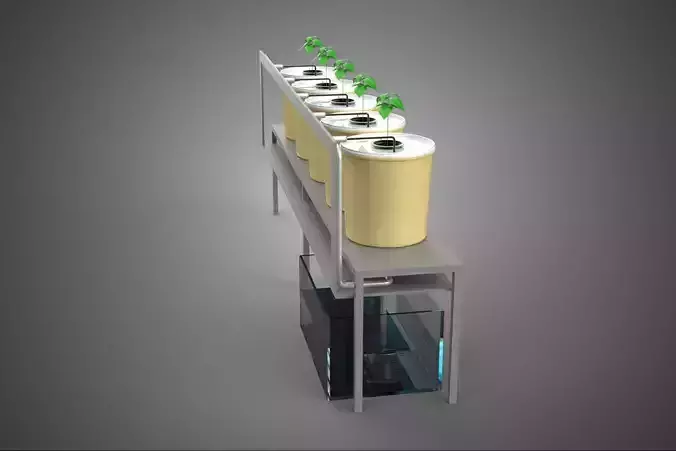
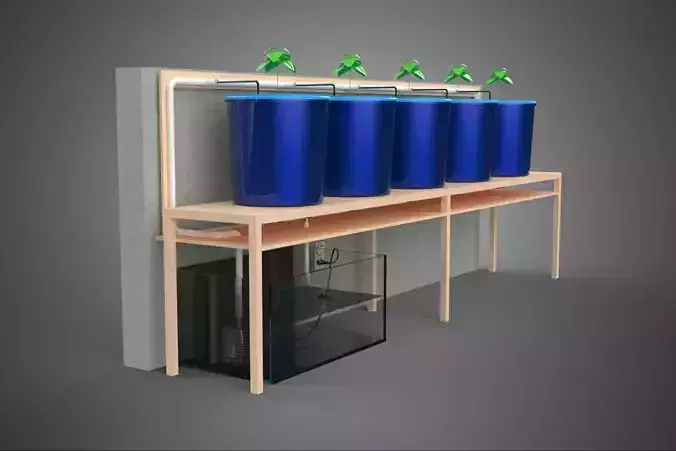
Bato Bucket (Dutch Bucket) Hydroponic Growing System Kit
The Bato Bucket or Dutch Bucket Hydroponic Growing System Kit refers to a standardized, modular, and typically consumer-packaged apparatus designed for controlled environment agriculture (CEA), primarily utilizing the drip hydroponics technique. Known officially in commercial contexts as the Bato System, the Dutch Bucket designation is a common colloquialism derived from its origin and widespread adoption in the sophisticated horticultural industry of the Netherlands. This system is highly favored for the cultivation of large, vine-based, or fruiting crops, such as tomatoes, peppers, cucumbers, and specialized flowers.
Operational Principle and Design
The Bato Bucket system operates on a localized, individual container principle, offering superior root zone management compared to deep water culture (DWC) or nutrient film technique (NFT).
1. The Bato Container
The defining feature is the Bato container itself—a specialized bucket, typically 10 to 12 liters in volume, constructed from opaque, food-grade plastic (usually HDPE or PVC) to prevent algal growth in the root zone. Each bucket is isolated and features an integrated drainage mechanism, often a specialized elbow or siphon fitting. This fitting maintains a small, shallow reservoir (approximately 2-3 cm deep) at the bottom of the bucket, preventing the complete desiccation of the growing media while ensuring high oxygen levels for the roots. This residual nutrient solution ensures plants have a buffer during pump cycles or power interruptions, a key advantage over typical drip-to-waste systems.
2. Nutrient Delivery (Drip Irrigation)
Nutrient solution is stored in a centralized reservoir and delivered to the individual buckets via a submersible pump and a network of main supply lines (header lines) and smaller dripper lines. Precise flow regulation is achieved using pressure-compensating emitters, ensuring uniform delivery of the nutrient-rich water directly onto the growing medium at the base of the plant stem. Delivery is typically pulsed, occurring several times per day based on crop stage, light intensity, and evapotranspiration rates.
3. Drainage and Recirculation
The system can be configured in two primary methods:
- Recirculating (Recycling): The excess nutrient solution that drains from the Bato buckets is collected in a common drain channel or return line and flows back to the main reservoir for pH and electrical conductivity (EC) adjustment and subsequent reuse. This method is highly water and nutrient efficient.
- Drain-to-Waste (Non-Recirculating): The runoff solution is collected and discarded after a single pass through the root zone. While less efficient in resource use, this method simplifies nutrient management by eliminating the need to constantly readjust the reservoir stoichiometry due to plant uptake variability.
### The Kit and DIY Assembly
The KIT BUCKET DUTCH BATO HYDROPONIC GROWING SYSTEM GARDEN PLANT DIY designation specifically refers to the commercial packaging of all necessary components into an easily assembled package aimed at the consumer market (DIY, Do-It-Yourself). A standard kit typically includes:
- Bato buckets with lids and drainage elbows.
- A primary reservoir tank.
- A submersible pump, timer, and filtration system.
- Main supply lines, dripper stakes, and connecting fittings.
- Inert growing media (e.g., perlite, coco coir) sufficient for the bucket count.
- Instructions detailing the assembly, operation, and nutrient management schedule.
The DIY nature of these kits provides scalability, allowing users to connect multiple buckets in sequence to increase cultivation capacity, making them suitable for urban gardening, hobby greenhouses, and educational setups.
### Applications and Advantages
The Bato Bucket system excels in scenarios requiring maximum control over the root environment. Its primary advantages include:
- Crop Suitability: Ideal for perennial, indeterminate, or heavy-feeding plants that require deep root zones and robust structural support, which is often difficult to achieve in shallow systems like NFT.
- Disease Isolation: Because each plant occupies an individual container, the risk of rapid spread of root diseases (e.g., Pythium) is significantly reduced compared to communal reservoir systems.
- Media Versatility: The system is compatible with various inert media, offering flexibility in choosing materials based on cost, drainage characteristics, and water retention needs.
- Water Use Efficiency: Utilizing drip delivery and often recirculation, the Bato system dramatically reduces water consumption compared to traditional soil agriculture.
***
KEYWORDS: Hydroponics, Bato Bucket, Dutch Bucket, Drip Irrigation, Controlled Environment Agriculture, CEA, Recirculating Hydroponics, Drain-to-Waste, Grow Kit, DIY Gardening, Perlite, Coco Coir, Reservoir, Nutrient Solution, Growing Medium, Modular System, Home Farming, Tomato Cultivation, Pepper Growing, Container Gardening, Submersible Pump, Root Zone Management, Urban Agriculture, Horticulture, Agricultural Technology, Plant Cultivation, Greenhouse System, Emitter, Siphon Break, Hydroponic Technology.