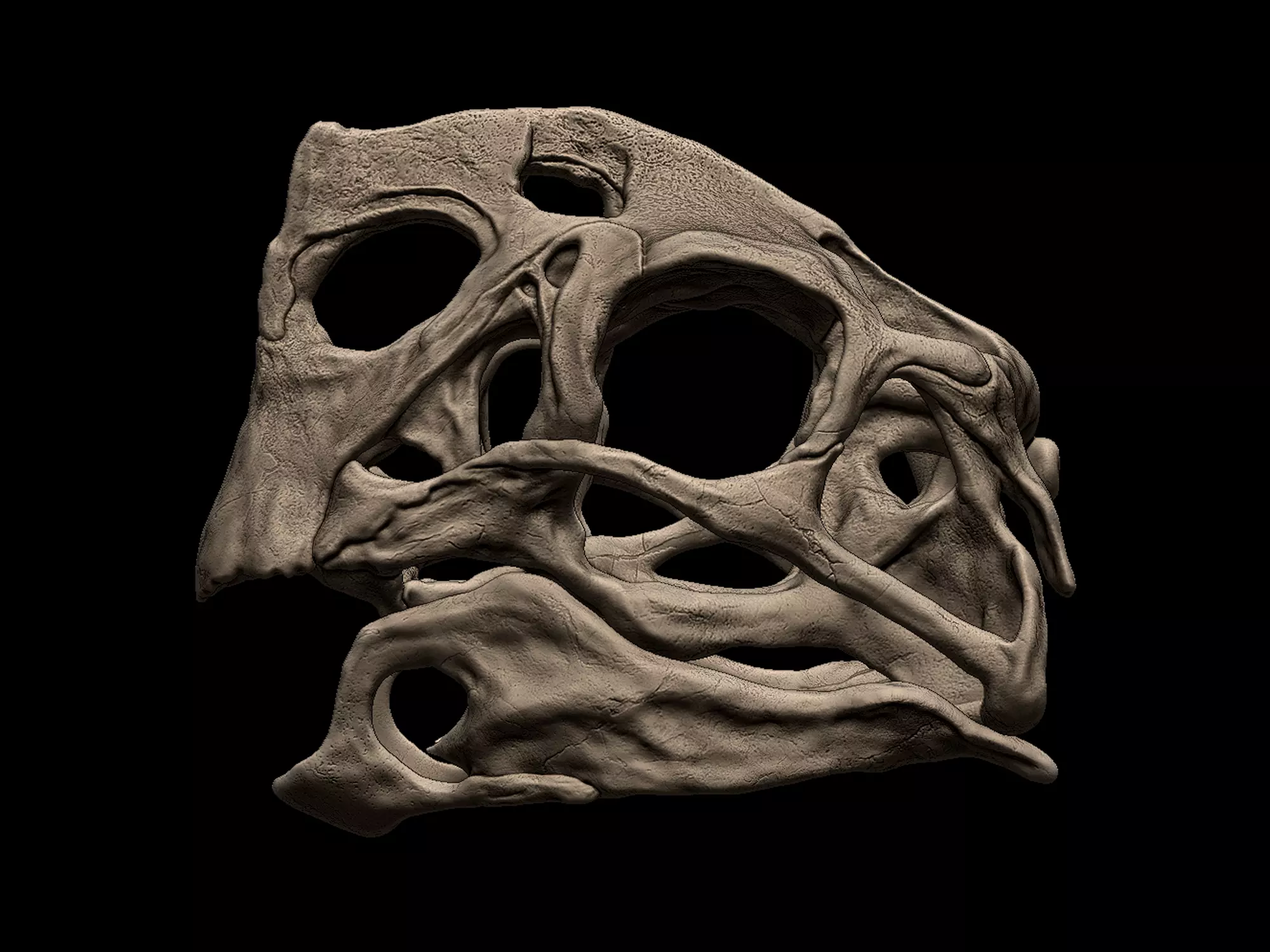
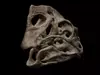
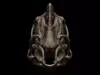
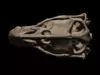
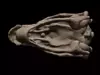
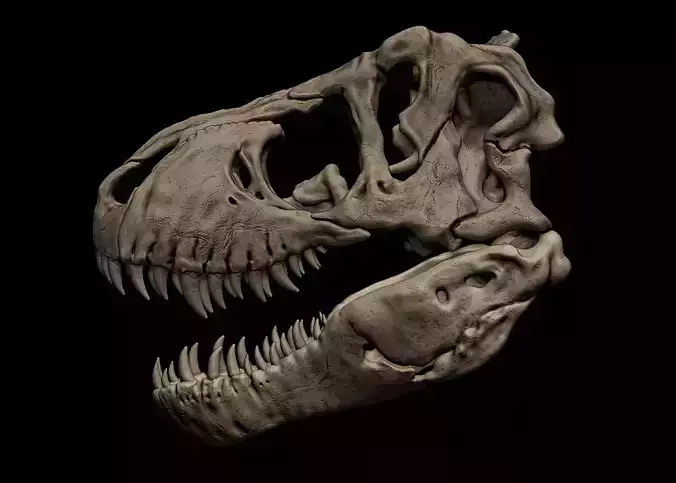
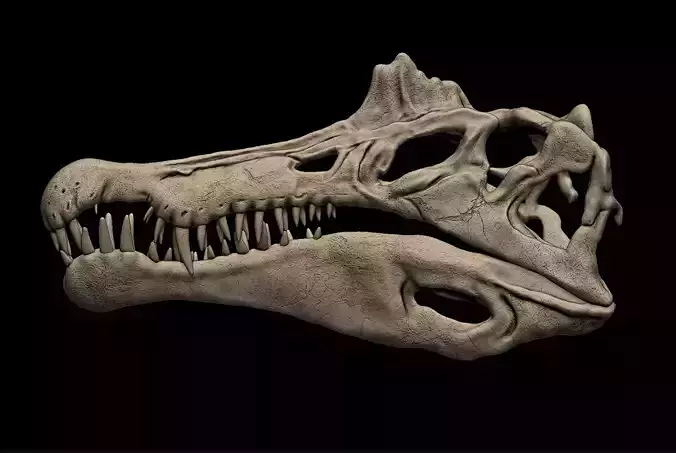
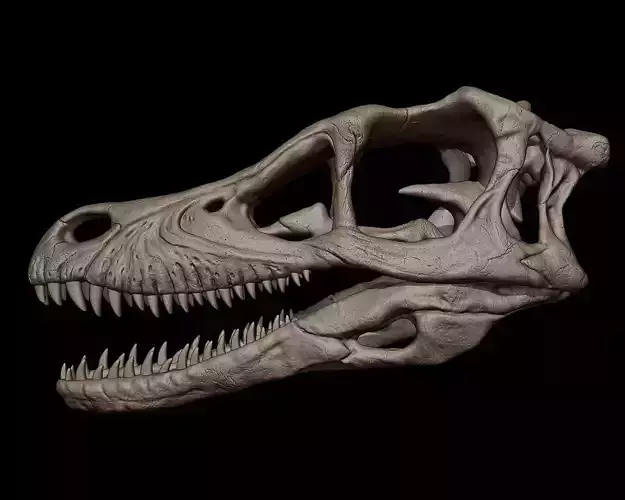
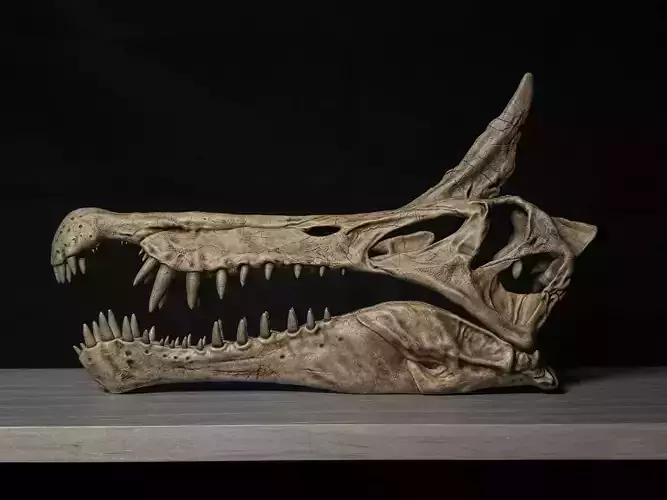
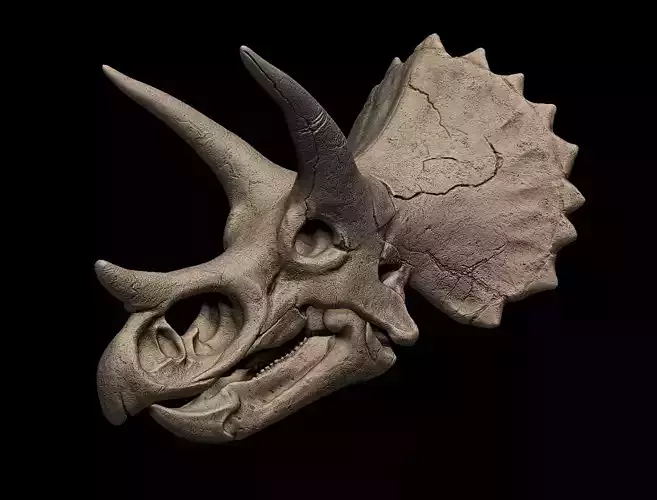
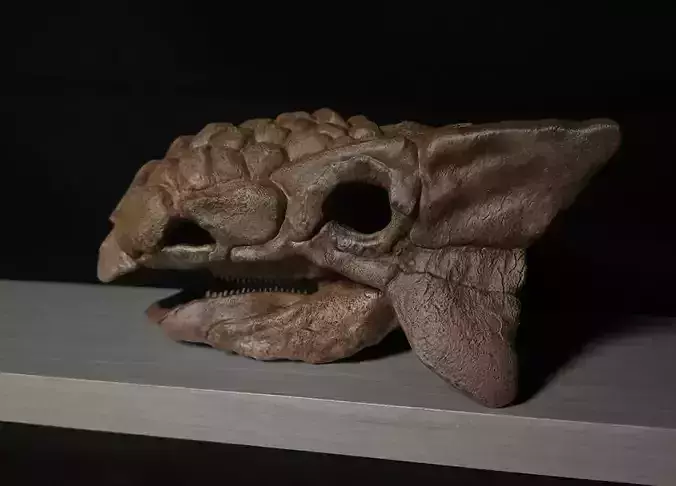
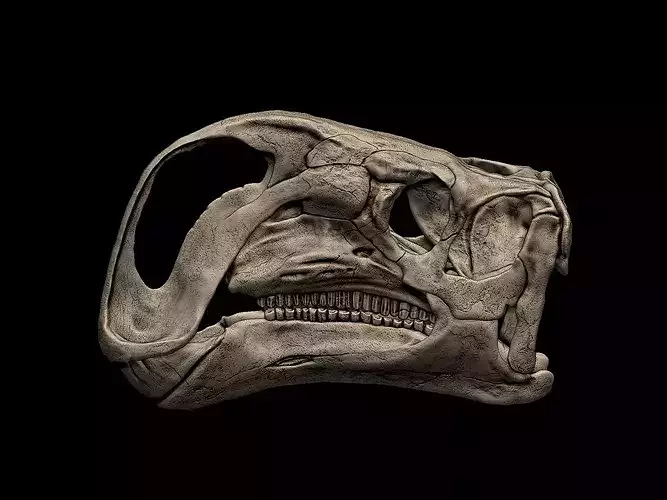
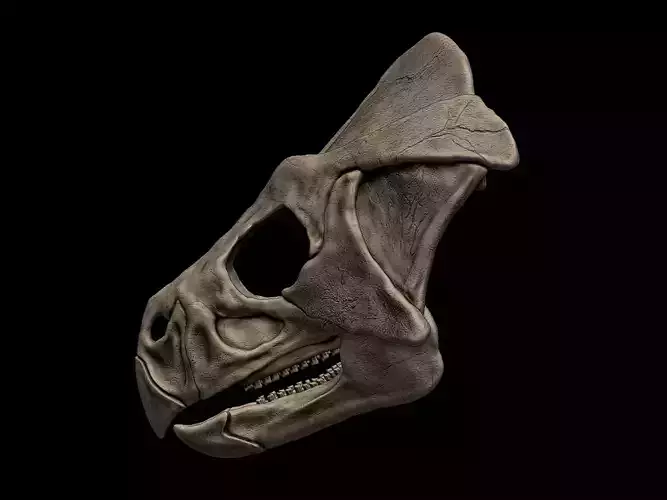
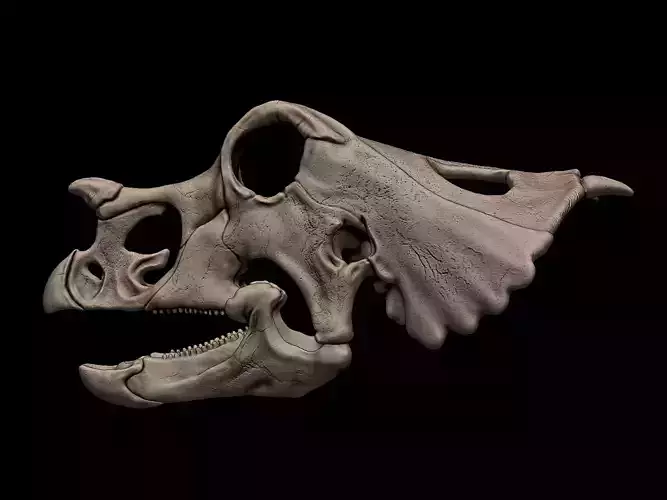
This is a life size 3d digital model skull of a Oviraptor. OBJ, ZTL, PLY, FBX and STL files. jaw is seperated.
Oviraptor is a genus of oviraptorid dinosaur that lived in Asia during the Late Cretaceous period. The first remains were collected from the Djadokhta Formation of Mongolia in 1923 during a paleontological expedition led by Roy Chapman Andrews, and in the following year the genus and type species Oviraptor philoceratops were named by Henry Fairfield Osborn. The genus name refers to the initial thought of egg-stealing habits, and the specific name was intended to reinforce this view indicating a preference over ceratopsian eggs. Despite the fact that numerous specimens have been referred to the genus, Oviraptor is only known from a single partial skeleton regarded as the holotype, as well as a nest of about fifteen eggs and several small fragments from a juvenile.
Oviraptor was a rather small feathered oviraptorid, estimated at 1.6–2 m (5.2–6.6 ft) long with a weight between 33–40 kg (73–88 lb). It had a wide lower jaw with a skull that likely had a crest. Both upper and lower jaws were toothless and developed a horny beak, which was used during feeding along the robust morphology of the lower jaws. The arms were well-developed and elongated ending in three fingers with curved claws. Like other oviraptorids, Oviraptor had long hindlimbs that had four-toed feet, with the first toe reduced. The tail was likely not very elongated, and ended in a pygostyle that supported large feathers.