High-quality 3D assets at affordable prices — trusted by designers, engineers, and creators worldwide. Made with care to be versatile, accessible, and ready for your pipeline.
Included File Formats
This model is provided in 14 widely supported formats, ensuring maximum compatibility:
• - FBX (.fbx) – Standard format for most 3D software and pipelines
• - OBJ + MTL (.obj, .mtl) – Wavefront format, widely used and compatible
• - STL (.stl) – Exported mesh geometry; may be suitable for 3D printing with adjustments
• - STEP (.step, .stp) – CAD format using NURBS surfaces
• - IGES (.iges, .igs) – Common format for CAD/CAM and engineering workflows (NURBS)
• - SAT (.sat) – ACIS solid model format (NURBS)
• - DAE (.dae) – Collada format for 3D applications and animations
• - glTF (.glb) – Modern, lightweight format for web, AR, and real-time engines
• - 3DS (.3ds) – Legacy format with broad software support
• - 3ds Max (.max) – Provided for 3ds Max users
• - Blender (.blend) – Provided for Blender users
• - SketchUp (.skp) – Compatible with all SketchUp versions
• - AutoCAD (.dwg) – Suitable for technical and architectural workflows
• - Rhino (.3dm) – Provided for Rhino users
Model Info
• - All files are checked and tested for integrity and correct content
• - Geometry uses real-world scale; model resolution varies depending on the product (high or low poly)
• • - Scene setup and mesh structure may vary depending on model complexity
• - Rendered using Luxion KeyShot
• - Affordable price with professional detailing
Buy with confidence. Quality and compatibility guaranteed.
If you have any questions about the file formats, feel free to send us a message — we're happy to assist you!
Sincerely,
SURF3D
Trusted source for professional and affordable 3D models.
More Information About 3D Model :
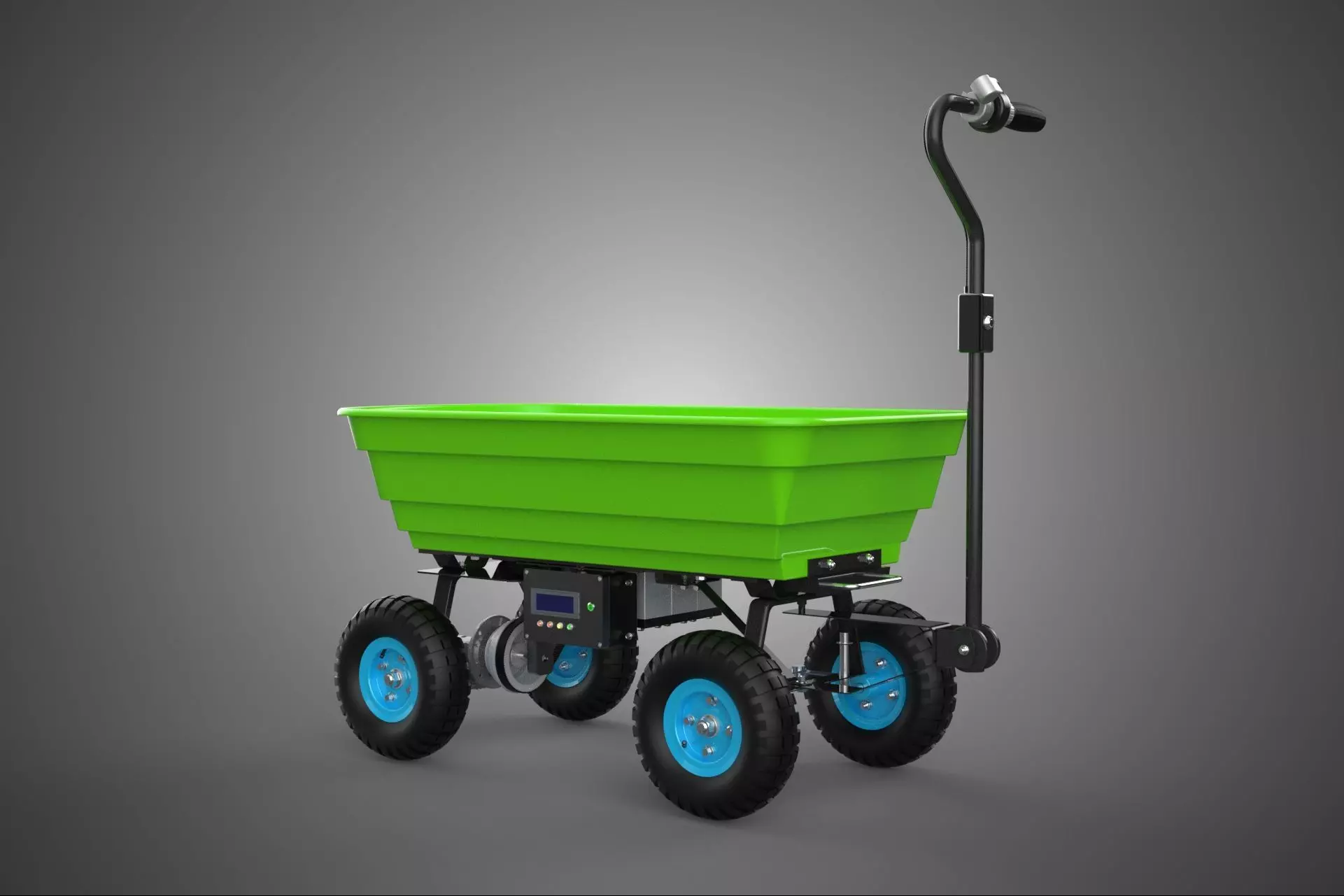
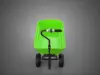
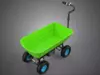
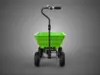
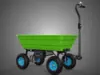
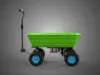
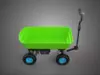
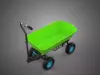
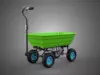
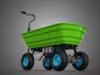
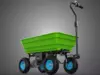
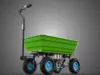
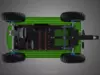
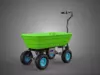
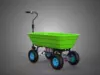
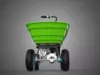
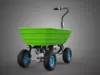
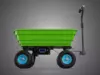
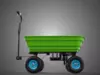
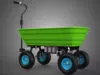
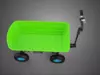
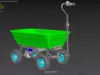
A Motorized Assist Cargo Cart Trolley Wheelbarrow Garden Wagon Bin represents a diverse category of powered material handling devices engineered to significantly reduce the physical exertion required for transporting various loads. This overarching term encompasses a spectrum of designs, ranging from single- or dual-wheeled, front-loading configurations akin to traditional wheelbarrows, to multi-wheeled, flatbed or bin-equipped structures typical of garden wagons or utility trolleys. The unifying characteristic is the integration of a motor, predominantly electric, to provide propulsion and aid in locomotion, thereby enhancing efficiency, expanding load capacity, and improving ergonomic safety compared to purely manual counterparts.
Nomenclature and Categorization:
The diverse terminology associated with these devices reflects their varied forms, primary applications, and functional attributes:
- Motorized Assist: Signifies the inclusion of an integrated power source, typically an electric motor driven by rechargeable batteries, providing propulsion. This feature differentiates them from unpowered devices, offering benefits such as variable speed control and often regenerative braking.
- Cargo Cart/Trolley: These are general descriptors for mobile platforms or containers designed for the transport of goods, emphasizing their utility and maneuverability across diverse environments.
- Wheelbarrow: Traditionally a manual, single-wheeled, front-loading vehicle used for bulk materials. Its motorized equivalent retains this fundamental form but integrates power for propulsion, sometimes featuring dual front wheels for enhanced stability.
- Garden Wagon: A multi-wheeled (typically four-wheeled), often open-sided or low-sided platform used for conveying garden tools, plants, soil, and other landscaping essentials. Motorized versions maintain this structural design.
- Bin: Refers to the cargo containment area, which can manifest as a deep tub, a removable container, or an integrated part of the cart's structure, specifically designed to secure loose materials.
Core Functionality:
The primary objective of these devices is the efficient and less strenuous movement of heavy, bulky, or numerous items across varied terrains, including uneven ground, inclines, and confined spaces. The motorized assistance substantially diminishes operator fatigue and the risk of musculoskeletal injuries, making them ideal for extended periods of use, for individuals with physical limitations, or for tasks involving exceptionally heavy payloads.
Key Features and Components:
- Motorization System:
- Motor Type: Predominantly electric DC motors, frequently brushless for superior efficiency, quieter operation, and extended lifespan. Some heavy-duty, industrial-grade variants may utilize small internal combustion engines (petrol/gasoline).
- Power Source: Electric models are powered by rechargeable battery packs (e.g., lead-acid, lithium-ion, LiFePO4), offering varying run times and charge cycles. Internal combustion models rely on fuel tanks.
- Drive System: Commonly features front-wheel or all-wheel drive for optimal traction, especially on challenging surfaces. Gear reduction systems are employed to transmit power effectively to the wheels.
- Controls: Typically integrated into the handlebars, including a throttle (twist-grip or lever), on/off switch, battery level indicator, and often speed selectors for forward and reverse modes.
- Chassis and Frame: Constructed from robust materials such as tubular or box-section steel, or reinforced aluminum, to ensure durability under heavy loads and rigorous use. Designs range from simple U-frames to more complex, articulated structures.
- Cargo Area:
- Types: May include deep, high-sided bins (often high-density polyethylene or steel), flatbed platforms with removable stake sides, or dump-style tubs designed for easy unloading of loose materials.
- Capacity: Rated by both volume (liters/cubic feet) and weight (kilograms/pounds), varying significantly based on the model's intended application.
- Material: High-density polyethylene (HDPE) is frequently used for bins due to its durability, resistance to corrosion, and ease of cleaning; steel is often preferred for maximum strength and rigidity.
- Wheels and Tires: Pneumatic tires are standard for superior shock absorption and enhanced traction on uneven terrain. Tread patterns are optimized for specific surfaces (e.g., aggressive treads for off-road, smoother for paved areas). The number of wheels (1, 2, 3, or 4+) and their diameter influence stability and maneuverability.
- Braking System: Mechanical disc brakes, drum brakes, or electromagnetic brakes are often incorporated for safety, particularly on inclines or when carrying substantial loads. Advanced electric models may include regenerative braking.
- Ergonomics and Safety: Designed with user comfort and safety in mind, featuring elements like adjustable handlebars, intuitive controls, and safety mechanisms such as emergency stop buttons, overload protection, and, in some cases, roll-over prevention systems.
Applications:
- Gardening and Landscaping: Transporting soil, mulch, stones, plants, tools, and yard waste.
- Construction: Moving bricks, cement bags, tools, debris, and various materials on job sites.
- Agriculture: Hauling feed, crops, tools, and supplies within farms and nurseries.
- Logistics and Warehousing: Facilitating the movement of goods within large facilities, reducing manual handling strain.
- Recreational Use: Transporting heavy camping gear, fishing equipment, or coolers.
- General Utility: Applicable in any scenario requiring the movement of heavy or bulky items over distance or challenging terrain.
Advantages:
- Reduced Physical Strain: Significantly minimizes operator fatigue and the risk of musculoskeletal injuries, promoting ergonomic best practices.