High-quality 3D assets at affordable prices — trusted by designers, engineers, and creators worldwide. Made with care to be versatile, accessible, and ready for your pipeline.
Included File Formats
This model is provided in 14 widely supported formats, ensuring maximum compatibility:
• - FBX (.fbx) – Standard format for most 3D software and pipelines
• - OBJ + MTL (.obj, .mtl) – Wavefront format, widely used and compatible
• - STL (.stl) – Exported mesh geometry; may be suitable for 3D printing with adjustments
• - STEP (.step, .stp) – CAD format using NURBS surfaces
• - IGES (.iges, .igs) – Common format for CAD/CAM and engineering workflows (NURBS)
• - SAT (.sat) – ACIS solid model format (NURBS)
• - DAE (.dae) – Collada format for 3D applications and animations
• - glTF (.glb) – Modern, lightweight format for web, AR, and real-time engines
• - 3DS (.3ds) – Legacy format with broad software support
• - 3ds Max (.max) – Provided for 3ds Max users
• - Blender (.blend) – Provided for Blender users
• - SketchUp (.skp) – Compatible with all SketchUp versions
• - AutoCAD (.dwg) – Suitable for technical and architectural workflows
• - Rhino (.3dm) – Provided for Rhino users
Model Info
• - All files are checked and tested for integrity and correct content
• - Geometry uses real-world scale; model resolution varies depending on the product (high or low poly)
• • - Scene setup and mesh structure may vary depending on model complexity
• - Rendered using Luxion KeyShot
• - Affordable price with professional detailing
Buy with confidence. Quality and compatibility guaranteed.
If you have any questions about the file formats, feel free to send us a message — we're happy to assist you!
Sincerely,
SURF3D
Trusted source for professional and affordable 3D models.
More Information About 3D Model :
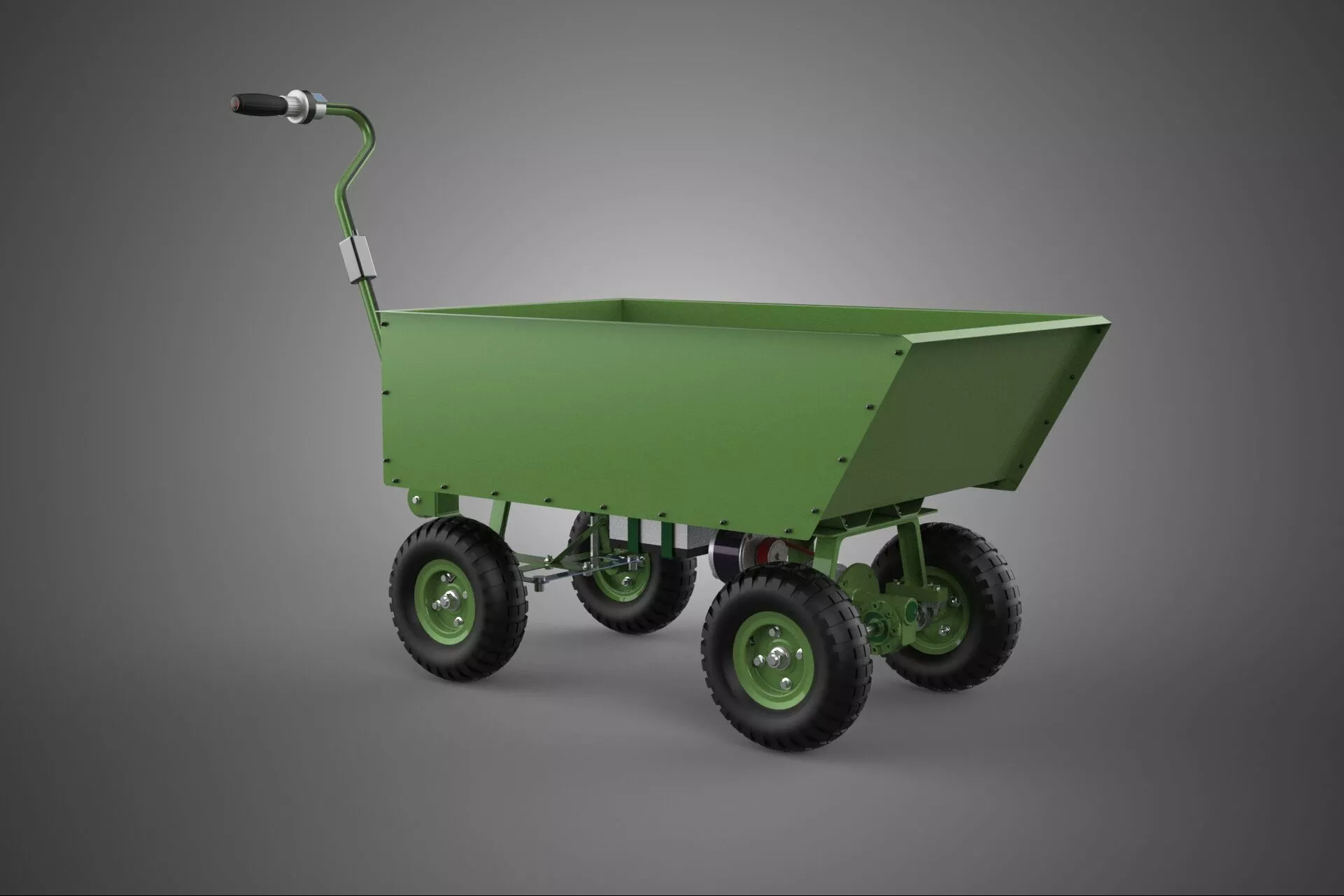
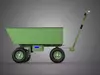
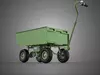
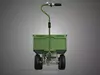
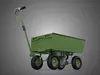
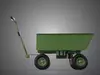
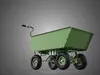
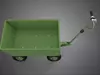
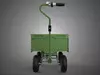
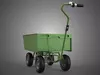
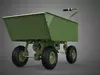
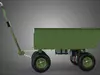
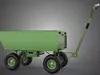
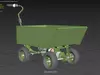
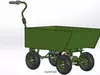
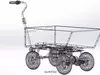
The Military Army Transport Electric Haul Carrier Cart Trolley Wagon (often abbreviated as MAT-EHCCW or simply referred to as a military electric utility vehicle) represents a diverse class of electrically powered, low-speed, robust vehicles specifically designed for logistical support and material handling within military installations, depots, airfields, and operational areas. This comprehensive nomenclature reflects its multi-functional utility, electric propulsion, and adaptation for the stringent requirements of armed forces.
Nomenclature and Etymology
- Military/Army: Designates the primary user and operational context, implying adherence to military specifications for durability, reliability, and security.
- Transport: Defines its fundamental purpose: the movement of goods, equipment, supplies, or personnel from one point to another.
- Electric: Specifies the propulsion system, utilizing batteries (e.g., lead-acid, lithium-ion) to power electric motors. This choice offers significant advantages in specific military environments.
- Haul/Carrier/Cart/Trolley/Wagon: This composite component describes the vehicle's varying forms, capacities, and operational modes.
- Haul/Carrier: Indicates its primary function of moving significant loads or objects.
- Cart/Trolley: Often refers to smaller, more maneuverable units, potentially hand-operated with electric assist or small ride-on platforms, typically for lighter loads or tighter spaces.
- Wagon: Suggests a larger, often heavier-duty vehicle, self-propelled or towable, capable of transporting substantial cargo volumes or weights.
The comprehensive term encapsulates a range of vehicles, from compact electric hand trucks and platform carts to larger electric utility vehicles resembling industrial tugs or golf carts, all adapted for military use.
Purpose and Operational Context
The primary function of the MAT-EHCCW is to enhance intra-base logistics and support operations where traditional internal combustion engine (ICE) vehicles present disadvantages. Key applications include:
- Material Handling: Transporting ammunition, spare parts, tools, medical supplies, fuel cells, waste, and general cargo within warehouses, maintenance facilities, and secure compounds.
- Personnel Transport: Moving small groups of personnel over short to medium distances within large military bases or airfields, often in a configuration similar to electric golf carts.
- Ground Support Equipment (GSE): Utilized at airfields for tasks such as towing aircraft (small to medium size), moving baggage, or delivering supplies to aircraft.
- Specialized Environments: Operations in hangars, enclosed workshops, medical facilities, or sensitive areas where exhaust fumes, noise, and heat signatures must be minimized.
- Forward Operating Bases (FOBs): For quiet logistical movements that reduce acoustic signatures, particularly during night operations or when maintaining a low profile is critical.
Design and Key Characteristics
MAT-EHCCWs are distinguished by several key design elements tailored for military environments:
- Electric Propulsion System: Powered by rechargeable battery packs (e.g., lithium-ion for energy density, lead-acid for cost-effectiveness) driving electric motors. This provides instant torque, quiet operation, and zero direct emissions. Charging typically occurs via standard electrical outlets or dedicated charging stations.
- Ruggedized Construction: Built with robust frames (often steel), heavy-duty axles, and industrial-grade components to withstand demanding use, varied terrains within military facilities, and potential exposure to harsh weather conditions.
- Load Capacity and Versatility: Designed to carry or tow significant payloads, ranging from several hundred kilograms to several tons. Many variants feature modular designs allowing for interchangeable cargo beds, specialized racks, enclosed compartments, or towing hitches.
- Maneuverability: Often designed with compact dimensions and tight turning radii to navigate congested areas, narrow aisles, and complex facility layouts.
- Safety Features: Equipped with military-standard safety features, which may include emergency stop buttons, audible warning signals, lights, ergonomic controls, sturdy braking systems, and anti-tip mechanisms.
- Reduced Signature: The electric powertrain inherently produces significantly less noise and thermal signature compared to ICE vehicles, offering tactical advantages in specific scenarios.
- Environmental Resilience: May incorporate features such as weatherproofing, dust protection, and corrosion resistance to ensure reliable operation in diverse climates.
Advantages in Military Application
The adoption of electric utility vehicles in military settings offers several strategic and operational benefits:
- Acoustic Stealth: The near-silent operation is crucial for security, discreet movements, and maintaining a low profile in sensitive areas or during certain tactical phases.
- Environmental Control: Zero direct emissions make them ideal for indoor use (e.g., aircraft hangars, repair shops, medical facilities) where air quality is paramount.
- Reduced Logistical Footprint: Decreased reliance on fossil fuels for these specific transport tasks simplifies fuel supply chains and reduces vulnerability. Charging infrastructure is often simpler to establish than liquid fuel depots.
- Lower Maintenance: Electric powertrains typically have fewer moving parts than ICEs, potentially leading to reduced maintenance requirements, lower operating costs, and increased uptime.
- Operational Efficiency: Instant torque delivery and smooth acceleration enhance efficiency for start-stop operations characteristic of internal logistics.
- Sustainability: Aligns with broader initiatives for environmental stewardship and reduced carbon footprint within defense organizations.