High-quality 3D assets at affordable prices — trusted by designers, engineers, and creators worldwide. Made with care to be versatile, accessible, and ready for your pipeline.
Included File Formats
This model is provided in 14 widely supported formats, ensuring maximum compatibility:
• - FBX (.fbx) – Standard format for most 3D software and pipelines
• - OBJ + MTL (.obj, .mtl) – Wavefront format, widely used and compatible
• - STL (.stl) – Exported mesh geometry; may be suitable for 3D printing with adjustments
• - STEP (.step, .stp) – CAD format using NURBS surfaces
• - IGES (.iges, .igs) – Common format for CAD/CAM and engineering workflows (NURBS)
• - SAT (.sat) – ACIS solid model format (NURBS)
• - DAE (.dae) – Collada format for 3D applications and animations
• - glTF (.glb) – Modern, lightweight format for web, AR, and real-time engines
• - 3DS (.3ds) – Legacy format with broad software support
• - 3ds Max (.max) – Provided for 3ds Max users
• - Blender (.blend) – Provided for Blender users
• - SketchUp (.skp) – Compatible with all SketchUp versions
• - AutoCAD (.dwg) – Suitable for technical and architectural workflows
• - Rhino (.3dm) – Provided for Rhino users
Model Info
• - All files are checked and tested for integrity and correct content
• - Geometry uses real-world scale; model resolution varies depending on the product (high or low poly)
• • - Scene setup and mesh structure may vary depending on model complexity
• - Rendered using Luxion KeyShot
• - Affordable price with professional detailing
Buy with confidence. Quality and compatibility guaranteed.
If you have any questions about the file formats, feel free to send us a message — we're happy to assist you!
Sincerely,
SURF3D
Trusted source for professional and affordable 3D models.
More Information About 3D Model :
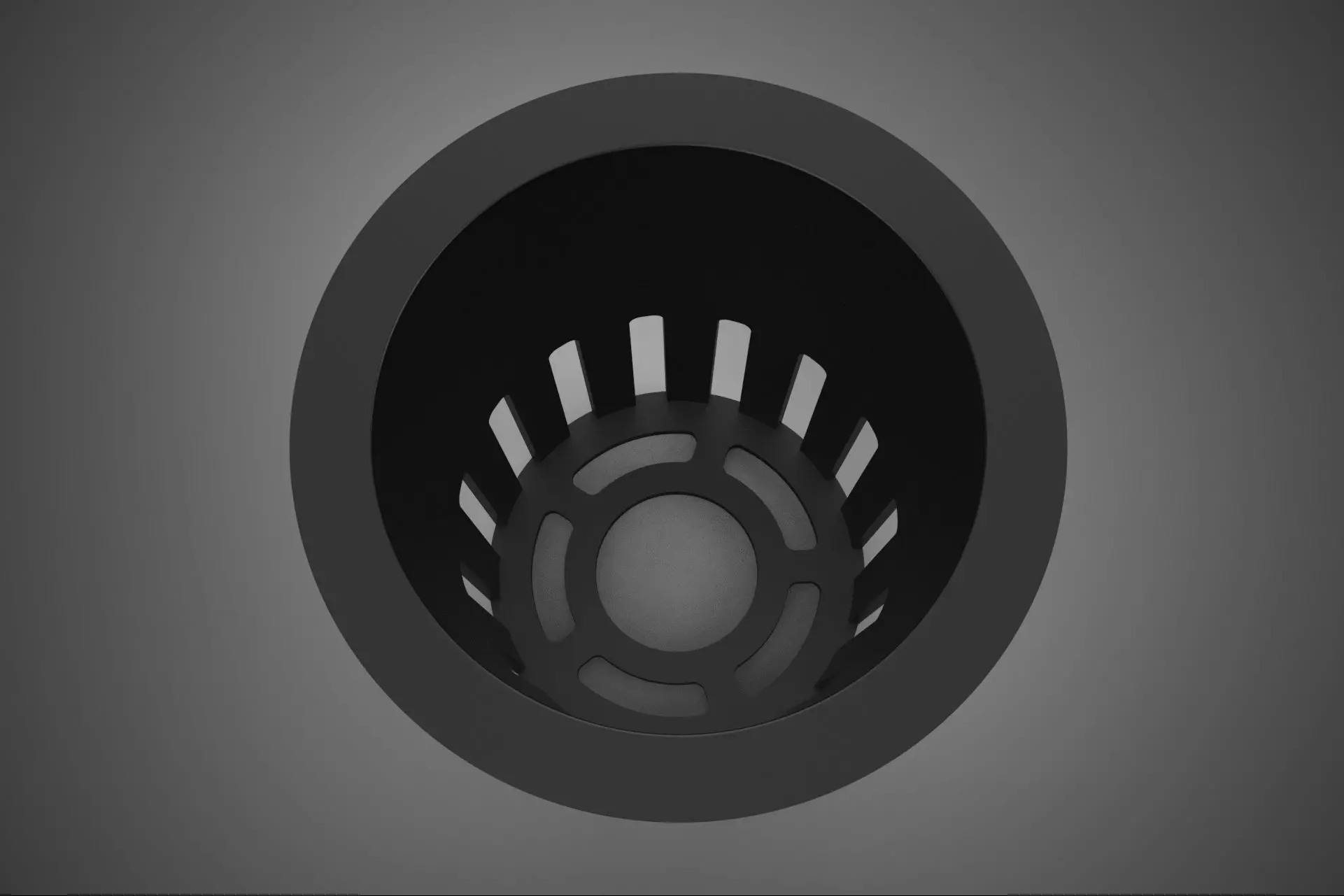
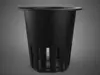
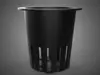
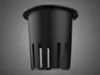
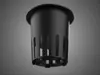
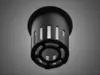
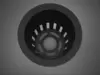
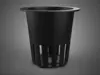
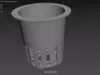
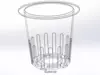
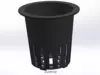
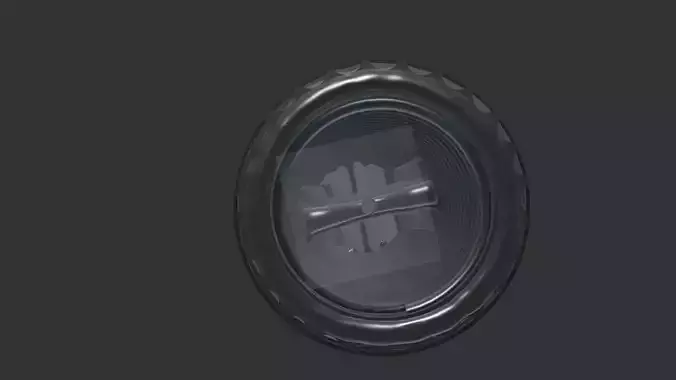
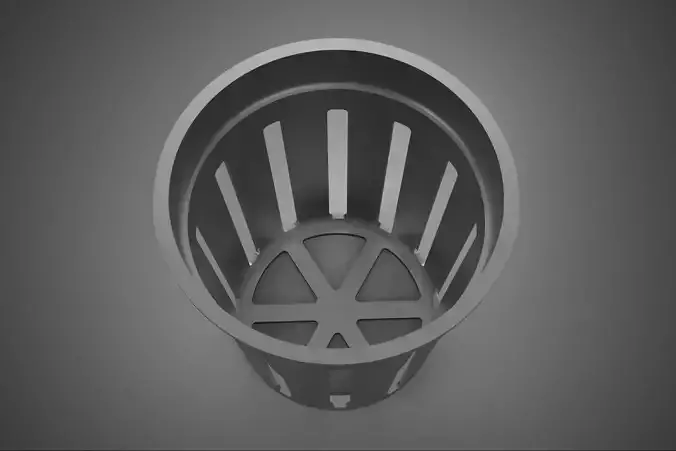
A Standard Slotted Net Pot Cup is a specialized horticultural container engineered for deployment within soilless cultivation systems, principally those utilizing active or passive hydroponics such as Deep Water Culture (DWC), nutrient film technique (NFT), or ebb and flow systems. Designated as medium size, these components adhere to common industry standards for integration into typical commercial and consumer grow buckets, tanks, and reservoir lids.
Design and Material Specifications
The Standard Slotted Net Pot is typically manufactured from durable, non-reactive polymer plastics, most commonly High-Density Polyethylene (HDPE) or Polypropylene (PP), ensuring resistance to chemical corrosion from nutrient solutions and ultraviolet degradation. The characteristic design features a robust structural integrity coupled with maximized permeability:
- Slotted Wall Structure: The defining feature is the perforated, mesh-like configuration of the sidewalls and base. These slots or apertures are specifically dimensioned to allow unrestricted passage of plant roots into the underlying nutrient solution while simultaneously retaining the inert growing medium (substrate).
- Lip and Flange: A rigid, circumferential lip or flange is molded around the top rim of the cup. This structure is critical for suspending the net pot securely within the receiving hole of a reservoir lid or grow bucket, ensuring the pot’s base is positioned correctly above the waterline or delivery mechanism.
- Sizing (Medium Standard): While exact dimensions vary by manufacturer, the medium standard typically denotes net pots with diameters ranging generally between 75 mm (3 inches) and 100 mm (4 inches). These sizes are standardized to interface efficiently with common hydroponic infrastructure, such as five-gallon (19 liter) grow buckets, which require a durable, reusable vessel for mature plant support.
### Functional Application in Hydroponics
The primary function of the net pot is to provide mechanical support and initial anchorage for the plant, usually starting from a germinated seed or clone rooted in an inert starter plug (e.g., rockwool).
Substrate Retention: Due to the slotted design, net pots require the use of highly permeable, sterile growing media that provide structure but do not retain excessive moisture or impede root growth. Common substrates used include expanded clay pebbles (hydroton), perlite, coconut coir, or specialized hydroponic sponges. These media fill the volume of the cup, anchoring the plant until the secondary roots penetrate the slots.
Nutrient Interface: The open, slotted design maximizes the surface area contact between the emerging root mass and the nutrient solution or the saturated vapor environment. In Deep Water Culture systems, the net pot remains partially submerged or directly above the solution, providing continuous oxygenation and access to dissolved mineral nutrients. The structure promotes excellent drainage and aeration within the root zone, mitigating the risk of waterlogging and anaerobic conditions common in traditional soil culture.
### System Integration and Advantages
The Standard Slotted Net Pot is a foundational component of many scalable hydroponic systems. Its reusable, inert nature offers significant operational benefits:
- Reduced Transplant Shock: Plants can be easily moved from propagation stages directly into the larger net pot, which is then suspended into the final system, minimizing disturbance to the root zone.
- Root Health: The design encourages robust lateral and vertical root development, allowing for maximum absorption efficiency.
- Durability and Sanitation: The plastic construction allows for thorough sterilization between growing cycles, reducing the potential for pathogen transmission.
KEYWORDS: Hydroponics, Deep Water Culture, DWC, Soilless Cultivation, Net Pot, Slotted Cup, Grow Bucket, Plant Support, Root Anchorage, Nutrient Film Technique, Ebb and Flow, Expanded Clay Pebbles, Hydroton, Rockwool, Substrate Retention, Aeration, HDPE, Polypropylene, Horticultural Container, Medium Standard, Reservoir Lid, Root Zone, Reusable, Permeable, Drainage, Standardized Component, Propagation, Aeroponics, Inert Media, Grow System.