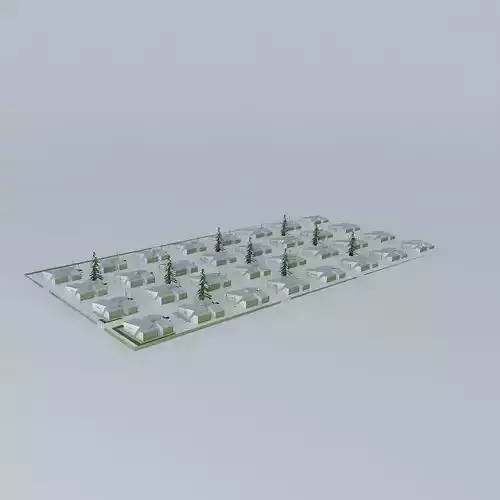
High-quality 3D assets at affordable prices — trusted by designers, engineers, and creators worldwide. Made with care to be versatile, accessible, and ready for your pipeline.
Included File Formats
This model is provided in 14 widely supported formats, ensuring maximum compatibility:
• - FBX (.fbx) – Standard format for most 3D software and pipelines
• - OBJ + MTL (.obj, .mtl) – Wavefront format, widely used and compatible
• - STL (.stl) – Exported mesh geometry; may be suitable for 3D printing with adjustments
• - STEP (.step, .stp) – CAD format using NURBS surfaces
• - IGES (.iges, .igs) – Common format for CAD/CAM and engineering workflows (NURBS)
• - SAT (.sat) – ACIS solid model format (NURBS)
• - DAE (.dae) – Collada format for 3D applications and animations
• - glTF (.glb) – Modern, lightweight format for web, AR, and real-time engines
• - 3DS (.3ds) – Legacy format with broad software support
• - 3ds Max (.max) – Provided for 3ds Max users
• - Blender (.blend) – Provided for Blender users
• - SketchUp (.skp) – Compatible with all SketchUp versions
• - AutoCAD (.dwg) – Suitable for technical and architectural workflows
• - Rhino (.3dm) – Provided for Rhino users
Model Info
• - All files are checked and tested for integrity and correct content
• - Geometry uses real-world scale; model resolution varies depending on the product (high or low poly)
• • - Scene setup and mesh structure may vary depending on model complexity
• - Rendered using Luxion KeyShot
• - Affordable price with professional detailing
Buy with confidence. Quality and compatibility guaranteed.
If you have any questions about the file formats, feel free to send us a message — we're happy to assist you!
Sincerely,
SURF3D
Trusted source for professional and affordable 3D models.
More Information About 3D Model :
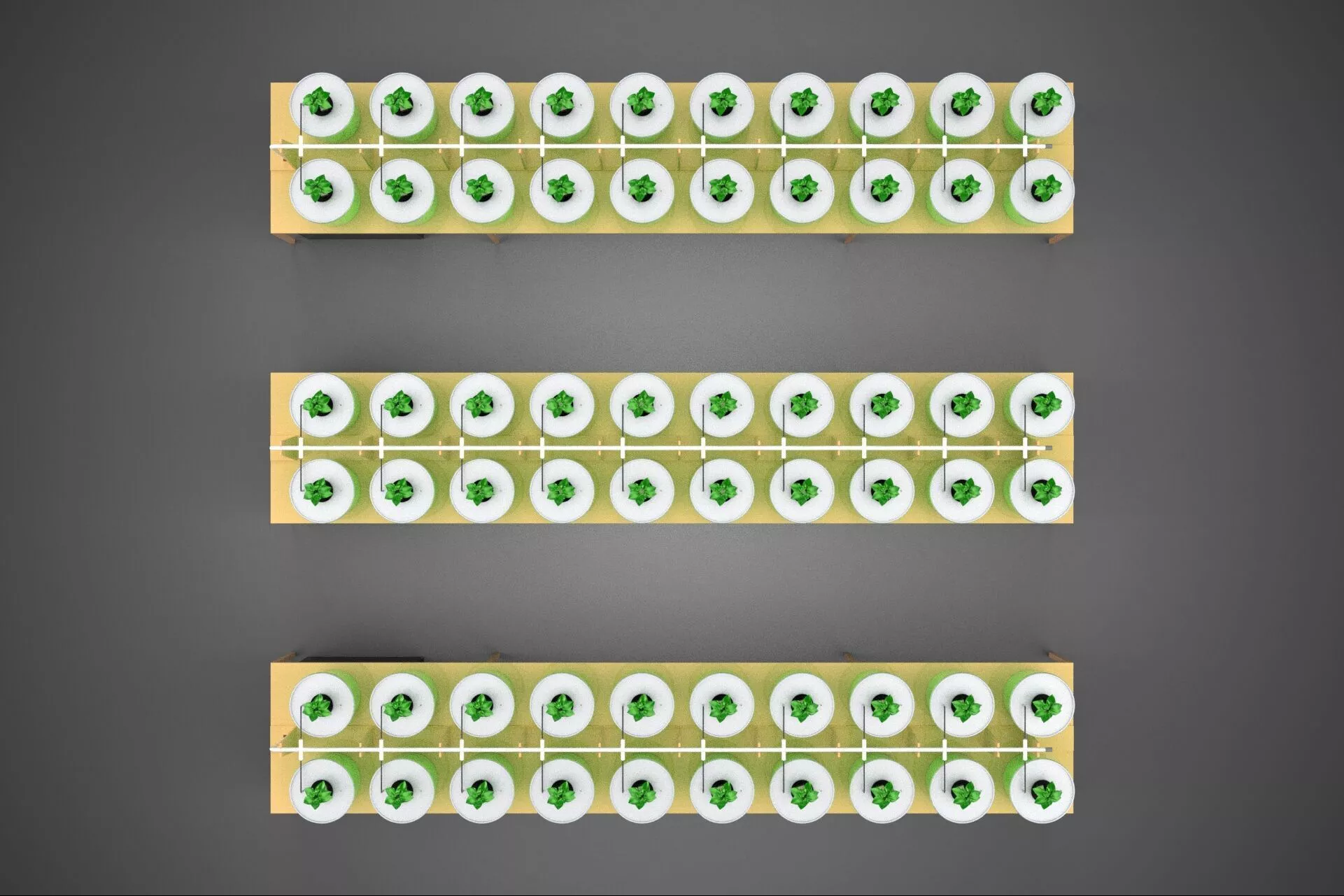
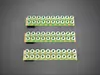
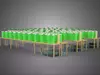
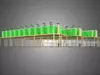
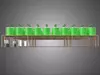
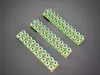
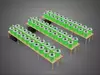
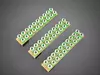
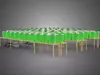
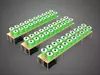
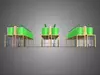
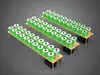
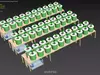
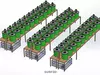
The Bato Dutch Bucket Hydroponic System, formally recognized as a Bato Pot or Bato Bucket Arrangement Station, is an advanced, high-density cultivation methodology utilizing a specialized, closed-loop hydroponic configuration. This system is distinguished by its use of individual, modular containers (the Bato buckets) for plant support, integrated within a standardized drip-fed irrigation and nutrient recovery mechanism. It is extensively employed in commercial horticulture for the cultivation of large, fruiting, or vining crops, such as tomatoes, peppers, cucumbers, and specialized flowers.
Nomenclature and Design Specifics
The term Dutch Bucket (or the Greek equivalent, Bato Pot, often associated with the specific plastic molding specifications) designates the functional mechanism wherein a medium-filled vessel is intermittently irrigated from above, with excess nutrient solution drained immediately below the root zone.
The Bato bucket itself is engineered with a specific internal geometry: a raised base or pedestal designed to prevent the growing medium (typically perlite, rockwool, or coconut coir) from becoming fully saturated. The critical component is the integrated siphon elbow or drain line, positioned approximately 2 to 5 centimeters above the bucket floor. This strategic placement ensures that a shallow, constant reservoir of nutrient solution remains accessible to the lower root mass, preventing desiccation while guaranteeing maximal oxygen exchange in the upper root zone.
Operational Mechanism (Hydrodynamics)
The system operates based on a precise, time-sensitive delivery of nutrient solution (recirculation or drain-to-waste).
- Delivery Phase: A central nutrient reservoir, equipped with a submersible pump and often a pH/EC monitoring system, pressurizes the main feed line. Individual drip emitters (often set to deliver 2-4 liters per hour) are inserted near the base of each plant in the Bato bucket. Irrigation cycles are typically short and frequent, determined by the crop stage, ambient temperature, and substrate moisture retention properties.
- Drainage and Recirculation: As the nutrient solution infiltrates the medium, saturation occurs. Excess solution percolates downward and exits through the low-level drain elbow. This runoff, rich in surplus water and remaining nutrients, flows into a common return trough (or channel).
- Recovery: In recirculating systems (the most common commercial application), the nutrient-rich runoff is channeled back to the central reservoir for replenishment and reuse. This recovery process significantly enhances water and fertilizer efficiency compared to traditional open-field or run-to-waste hydroponic setups, making the Bato system particularly environmentally sustainable.
### Arrangement and Installation
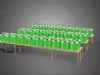
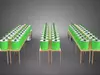
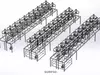
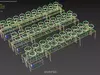
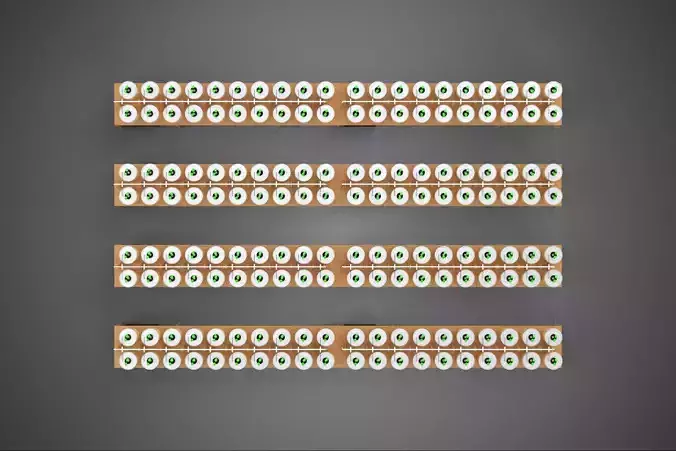
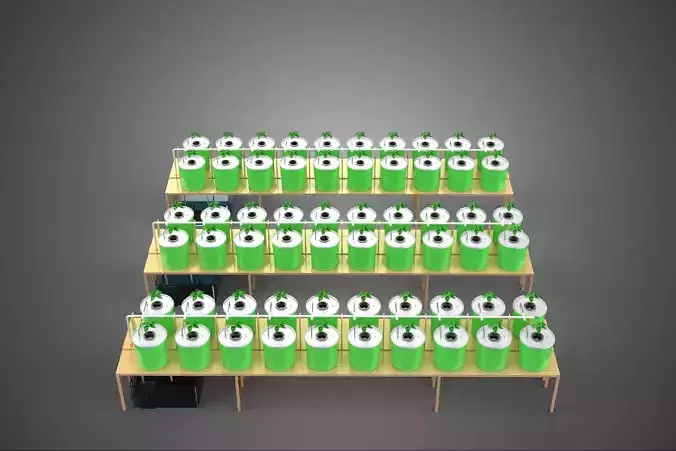
A typical commercial Bato Bucket Arrangement Station is constructed in linear rows, elevated slightly off the ground to facilitate gravity-assisted drainage.
- Row Configuration: Buckets are arranged sequentially, spaced according to the crop's mature canopy size.
- Plumbing: The system requires two primary plumbing networks: (1) the upper high-pressure feed line (PVC or poly tubing) supplying the drip emitters, and (2) the lower return channel, engineered with a minimal gradient (slope) to guide the runoff back to the reservoir.
- Media and Support: Due to the height and potential weight of vining crops (e.g., tomato trusses), external structural support systems, such as trellising wires and hooks, are integral to the system’s station arrangement.
### Advantages and Applications
The Bato Dutch Bucket system provides significant agronomic advantages, especially when cultivating large, determinant, or indeterminate crops that require precise, scalable nutrient delivery.
- Disease Isolation: Because each plant occupies an individual container, root diseases are largely compartmentalized, preventing rapid lateral spread throughout the entire crop row.
- Substrate Aeration: The controlled water table maintained by the drain elbow ensures optimal oxygenation of the root zone, reducing the incidence of anoxic conditions often associated with deep water culture (DWC).
- Adaptability: The system is modular, allowing for easy expansion, rearrangement, or replacement of individual plants without disrupting the overall operational flow of the farm station.
KEYWORDS: Hydroponics, Dutch Bucket, Bato Pot, Recirculating Drip, Substrate Culture, Commercial Horticulture, Nutrient Film Technique, Greenhouse Farming, Soilless Cultivation, Perlite, Coconut Coir, Drip Irrigation, Drain-to-Waste, Modular System, Controlled Environment Agriculture, Tomatoes, Peppers, Cucumbers, Water Efficiency, Root Zone Management, Siphon Elbow, Nutrient Solution, EC Management, pH Control, High-Density Planting, Vertical Farming, Vining Crops, Disease Isolation, Crop Yield, Trellising.