High-quality 3D assets at affordable prices — trusted by designers, engineers, and creators worldwide. Made with care to be versatile, accessible, and ready for your pipeline.
Included File Formats
This model is provided in 14 widely supported formats, ensuring maximum compatibility:
• - FBX (.fbx) – Standard format for most 3D software and pipelines
• - OBJ + MTL (.obj, .mtl) – Wavefront format, widely used and compatible
• - STL (.stl) – Exported mesh geometry; may be suitable for 3D printing with adjustments
• - STEP (.step, .stp) – CAD format using NURBS surfaces
• - IGES (.iges, .igs) – Common format for CAD/CAM and engineering workflows (NURBS)
• - SAT (.sat) – ACIS solid model format (NURBS)
• - DAE (.dae) – Collada format for 3D applications and animations
• - glTF (.glb) – Modern, lightweight format for web, AR, and real-time engines
• - 3DS (.3ds) – Legacy format with broad software support
• - 3ds Max (.max) – Provided for 3ds Max users
• - Blender (.blend) – Provided for Blender users
• - SketchUp (.skp) – Compatible with all SketchUp versions
• - AutoCAD (.dwg) – Suitable for technical and architectural workflows
• - Rhino (.3dm) – Provided for Rhino users
Model Info
• - All files are checked and tested for integrity and correct content
• - Geometry uses real-world scale; model resolution varies depending on the product (high or low poly)
• • - Scene setup and mesh structure may vary depending on model complexity
• - Rendered using Luxion KeyShot
• - Affordable price with professional detailing
Buy with confidence. Quality and compatibility guaranteed.
If you have any questions about the file formats, feel free to send us a message — we're happy to assist you!
Sincerely,
SURF3D
Trusted source for professional and affordable 3D models.
More Information About 3D Model :
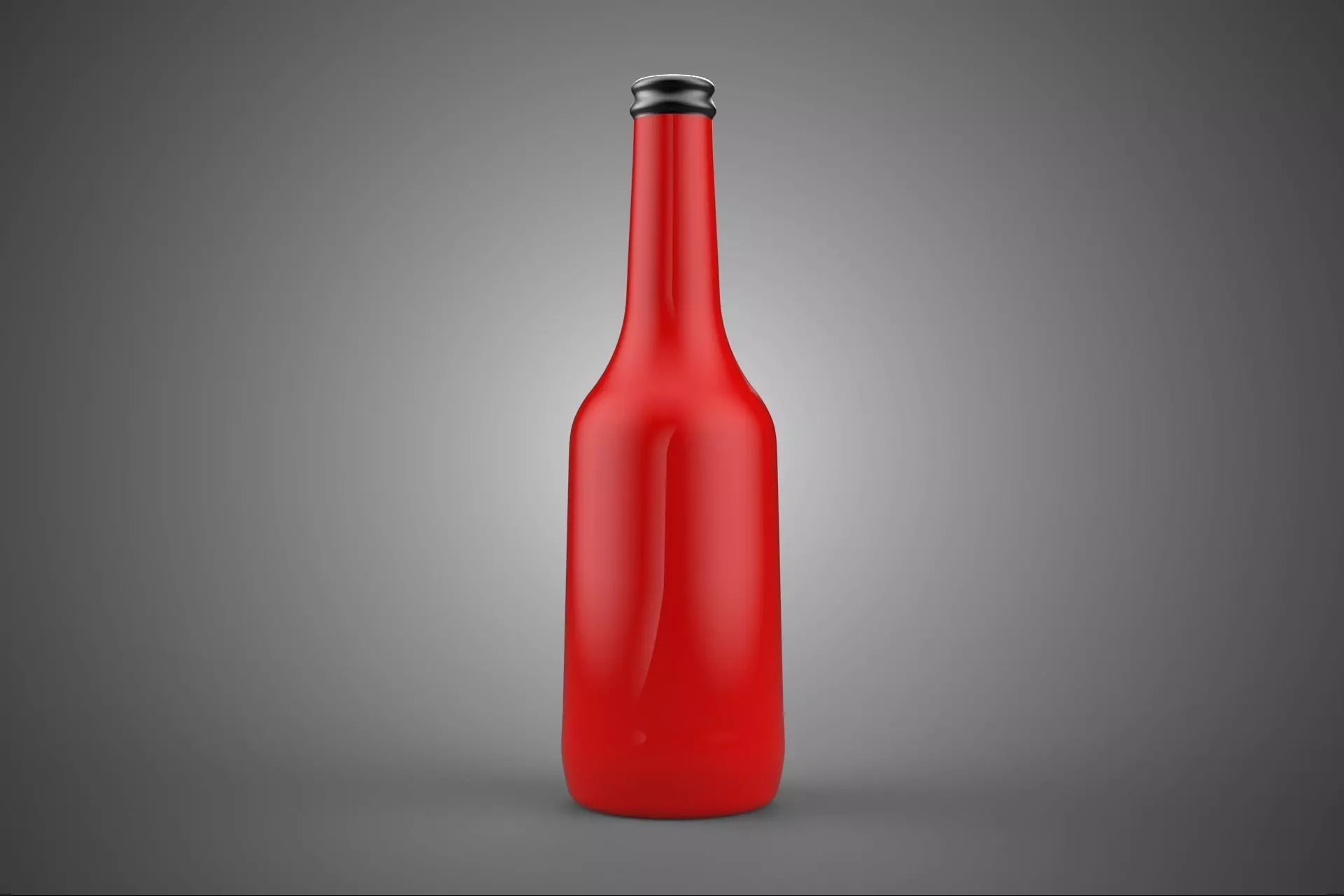
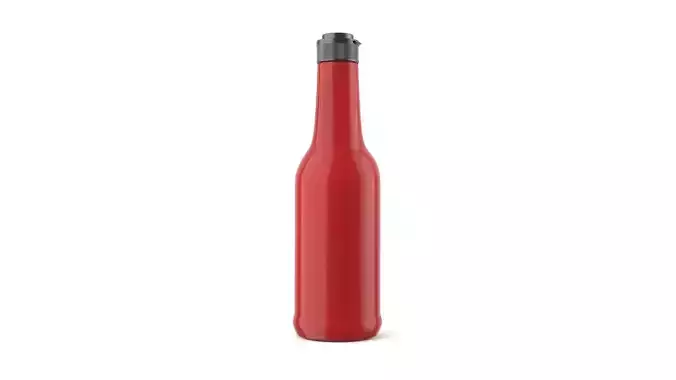
A bottled red savory condiment is a category of commercially produced, liquid or semi-viscous food preparation utilized globally as a seasoning agent or accompaniment for prepared meals. These products are universally characterized by their prominent red pigmentation, derived primarily from key botanical constituents such as processed tomatoes (Solanum lycopersicum) or various species of chili pepper (Capsicum).
Composition and Classification
The designation red condiment is broad, encompassing several distinct preparations standardized for industrial production. The two major subtypes are tomato-based sauces (e.g., ketchup) and chili-based sauces (e.g., traditional hot sauce, sriracha, or chili garlic sauce).
1. Ketchup and Tomato-Based Condiments: This classification utilizes concentrated tomato solids, which provide the dominant lycopene-based coloration and foundational umami flavor. These products are typically characterized by a balanced profile incorporating high levels of sugar (sucrose or high-fructose corn syrup) and acetic acid (vinegar), lending a distinctly sweet, sour, and savory quality. Standard formulations often include onions, spices, and thickening agents to achieve a consistent, non-Newtonian viscosity, allowing for regulated flow from the bottle.
2. Chili and Pepper Sauces: These condiments prioritize pungency, deriving their heat from capsaicinoids present in chilies. The red color in this subtype often comes from mature red peppers, paprika, or added colorants, and the flavor profile emphasizes savory, spicy, or fermented notes, frequently utilizing techniques such as brine fermentation (e.g., tabasco-style sauces). The viscosity of chili liquids ranges widely, from thin, watery solutions intended for light spritzing to thick pastes used for dipping.
Packaging and Dispensing Technology
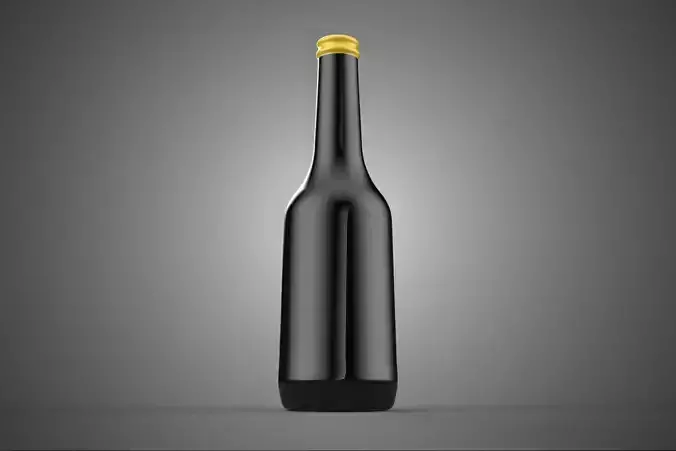
The bottle serves as the primary vessel for preservation, distribution, and user interface. Historically, the standard vessel was tempered glass, typically manufactured with a narrow neck to restrict the flow of highly viscous sauces and minimize oxygen exposure.
Contemporary mass production has largely transitioned to specialized plastic containers, predominantly polyethylene terephthalate (PET), which offers durability, lighter weight, and flexibility. Dispensing mechanisms are engineered to accommodate the fluid dynamics of the specific sauce. Common designs include:
- Controlled-Flow Restrictors: Small orifices inserted into the neck of the bottle that limit the volume of sauce exiting per unit of time, reducing accidental spillage.
- Inverted Squeeze Bottles: Highly favored for viscous products, allowing the user to apply pressure directly to the plastic walls, facilitating efficient dispensing without shaking or manual spooning. This design also utilizes gravity to keep the condiment constantly positioned near the opening.
- Flip-Top and Snap Caps: Mechanisms designed to maintain an airtight seal for prolonged shelf life and hygiene.
The red color of the contents is visually critical for consumer recognition, often contrasting with labels that feature high-gloss finishes and standardized branding reflective of the product's origin and flavor profile.
### Culinary Function and Significance
Red condiments are classified as secondary food additives, meaning they are rarely consumed in isolation but rather serve to complement or amplify the flavor characteristics of primary dishes. Their primary role is flavor enhancement, contributing savory depth (umami), acidity, and, in the case of chili sauces, controlled heat. These bottled liquids are integral to various global cuisines, serving as indispensable table seasonings, marinade bases, dipping sauces, or ingredients in composite recipes (e.g., cocktails, barbecue glazes, or stir-fries). The standardization inherent in the bottling process ensures consistent flavor and quality across different geographical markets.
KEYWORDS: Condiment, Bottle, Sauce, Seasoning, Ketchup, Chili, Savory, Liquid, Tomato, Red, Capsicum, Viscosity, Umami, Dispenser, Glass, PET plastic, Food additive, Preservative, Vinegar, Manufacturing, Hot sauce, Sriracha, Lycopene, Carotenoid, Table sauce, Flavor enhancement, Packaging, Standardized, Consumer goods, Culinary.