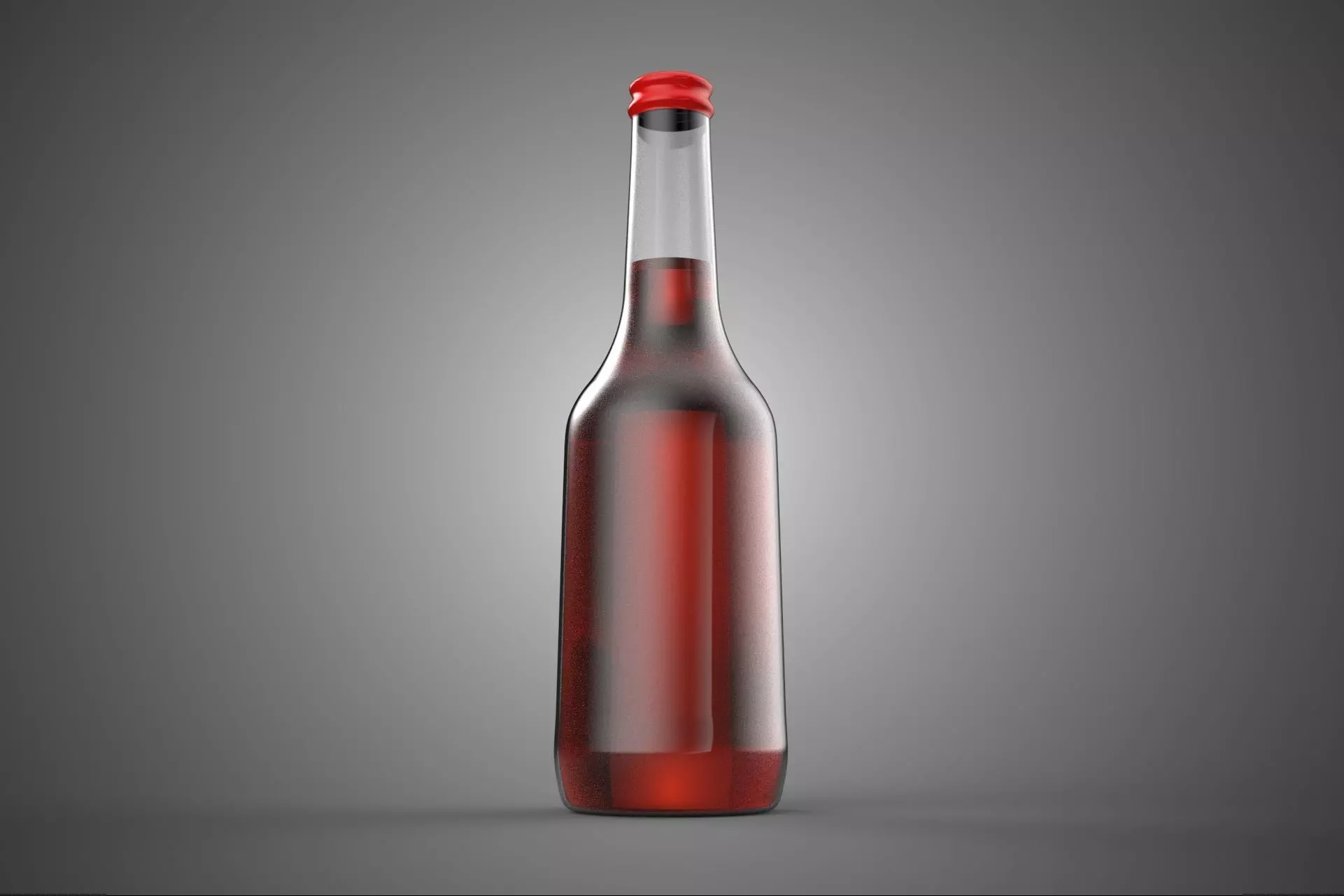
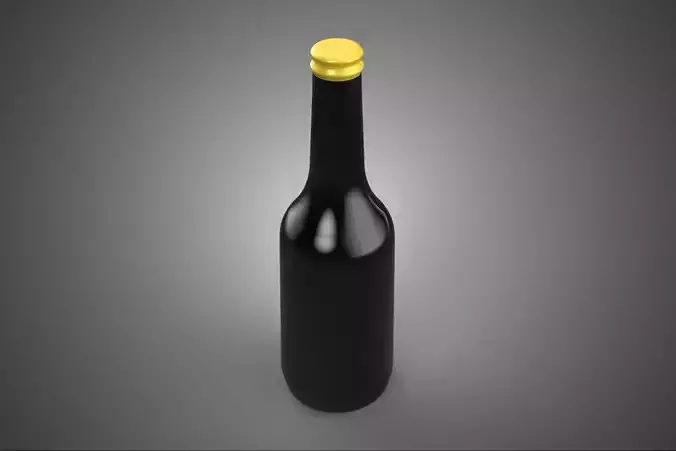
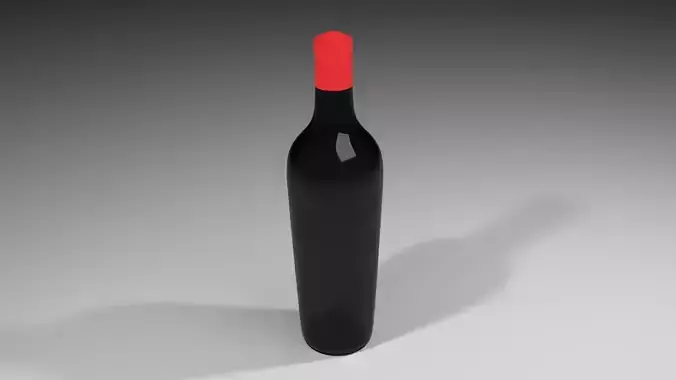
High-quality 3D assets at affordable prices — trusted by designers, engineers, and creators worldwide. Made with care to be versatile, accessible, and ready for your pipeline.
Included File Formats
This model is provided in 14 widely supported formats, ensuring maximum compatibility:
• - FBX (.fbx) – Standard format for most 3D software and pipelines
• - OBJ + MTL (.obj, .mtl) – Wavefront format, widely used and compatible
• - STL (.stl) – Exported mesh geometry; may be suitable for 3D printing with adjustments
• - STEP (.step, .stp) – CAD format using NURBS surfaces
• - IGES (.iges, .igs) – Common format for CAD/CAM and engineering workflows (NURBS)
• - SAT (.sat) – ACIS solid model format (NURBS)
• - DAE (.dae) – Collada format for 3D applications and animations
• - glTF (.glb) – Modern, lightweight format for web, AR, and real-time engines
• - 3DS (.3ds) – Legacy format with broad software support
• - 3ds Max (.max) – Provided for 3ds Max users
• - Blender (.blend) – Provided for Blender users
• - SketchUp (.skp) – Compatible with all SketchUp versions
• - AutoCAD (.dwg) – Suitable for technical and architectural workflows
• - Rhino (.3dm) – Provided for Rhino users
Model Info
• - All files are checked and tested for integrity and correct content
• - Geometry uses real-world scale; model resolution varies depending on the product (high or low poly)
• • - Scene setup and mesh structure may vary depending on model complexity
• - Rendered using Luxion KeyShot
• - Affordable price with professional detailing
Buy with confidence. Quality and compatibility guaranteed.
If you have any questions about the file formats, feel free to send us a message — we're happy to assist you!
Sincerely,
SURF3D
Trusted source for professional and affordable 3D models.
More Information About 3D Model :
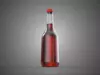
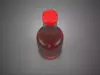
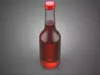
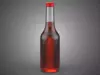
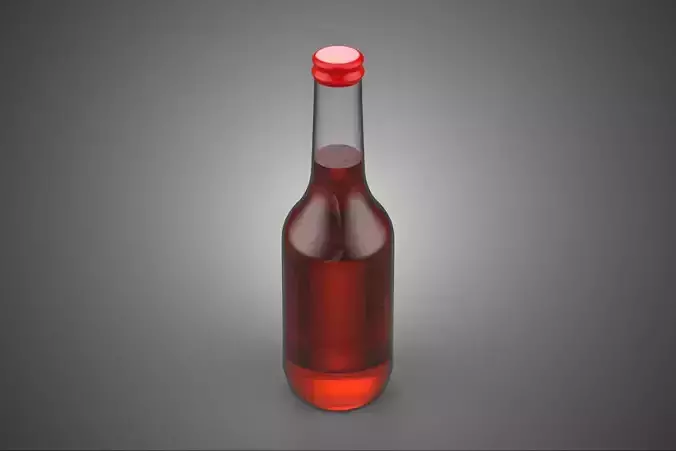
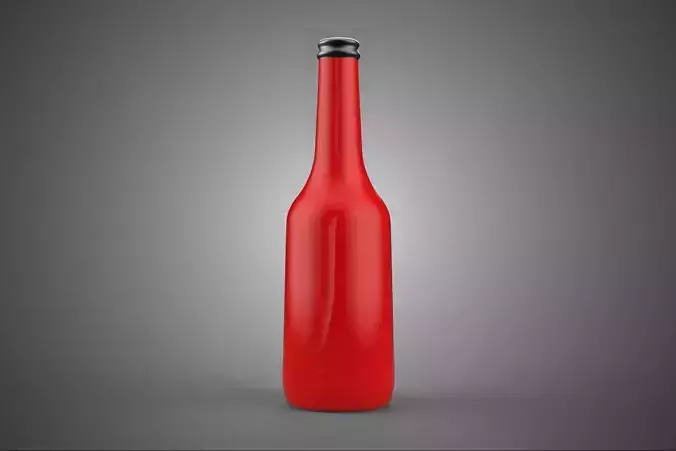
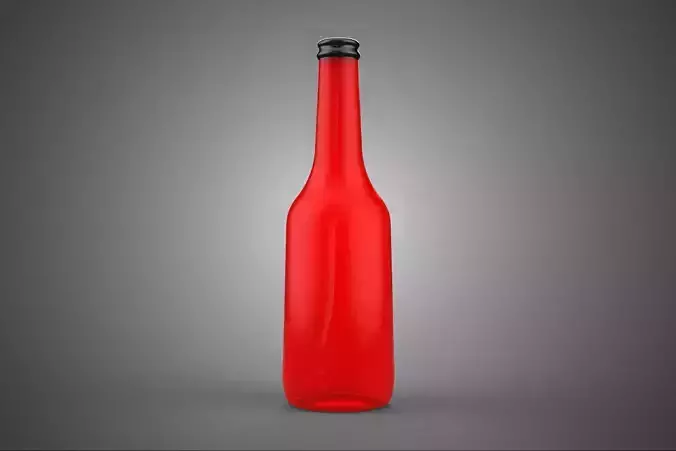
The Red Bottle Beverage Soda Fizzy Sparkling Refreshment Soft Drink denotes a category within the global market of Non-Alcoholic Ready-to-Drink (NARTD) beverages, specifically classified as a Carbonated Soft Drink (CSD). This descriptive taxonomy emphasizes the product's primary visual, physical, and functional characteristics: distinct chromaticity, method of packaging, carbonation level, and intended consumer utility.
I. Definition and Classification
A CSD categorized by the descriptor Red Bottle Beverage is fundamentally an aqueous solution, supersaturated with carbon dioxide ($CO_2$) gas under pressure, which imparts the characteristic effervescence, or fizz. It is sweetened, typically using sucrose, High-Fructose Corn Syrup (HFCS), or artificial high-intensity sweeteners, and is intentionally flavored to achieve a distinct sensory profile.
The designation Red refers to the visual presentation of the liquid itself, achieved through the inclusion of permitted food colorants. These may include synthetic dyes such as Allura Red AC (E129) or Ponceau 4R (E124), or natural alternatives derived from sources like beets (Betanin) or cochineal (Carmine/E120), or anthocyanins from specific berries. This coloration is crucial for marketing, as it visually links the product to specific flavor expectations, commonly cherry, strawberry, fruit punch, or certain exotic berries.
The Bottle designation implies that the primary distribution vessel is a rigid, hermetically sealed container, most frequently composed of polyethylene terephthalate (PET) for mass-market distribution or glass for premium or heritage formulations. This packaging system is engineered to maintain the requisite internal pressure required for $CO_2$ retention and to ensure product stability and sterility.
II. Physical and Chemical Composition
The formulation of a red-colored carbonated soft drink is governed by precise specifications to achieve shelf stability and desirable organoleptic qualities:
- Aqueous Base: Highly purified, often deionized or reverse osmosis-filtered water, which serves as the solvent for all ingredients.
- Carbonation: The saturation level typically ranges between 3.0 and 4.0 volumes of $CO_2$ per volume of liquid, which defines the perception of sparkling or fizzy. This carbonation contributes a slight carbonic acidity (H₂CO₃), which sharpens the flavor profile.
- Acidulants: Ingredients such as citric, phosphoric, or malic acid are added to adjust the pH level (typically 2.5–3.5). This low pH provides microbial stability, enhances the perception of tartness, and intensifies certain fruit-based flavors.
- Flavoring Agents: These can be natural extracts, artificial chemical compounds, or a blend thereof. In red sodas, common flavor esters and aldehydes are utilized to mimic profiles such as benzaldehyde (cherry), ethyl butyrate (strawberry), or various berry compounds.
- Sweeteners and Colorants: As noted, the synergy between the type and concentration of sweetener and the highly visible red colorant defines the core identity of the product.
### III. Market Context and Refreshment Function
Red CSDs occupy a significant segment of the global beverage market, often positioning themselves as refreshment or thirst-quenching products. Their high sugar content (in non-diet variants) provides caloric energy, while the low temperature upon consumption and the mechanical stimulus of the effervescence contribute to the perceived cooling and refreshing effect.
This product category appeals broadly across demographics but is particularly prevalent in markets favoring strong, sweet fruit-forward profiles. The consistent use of the distinctive red chromatic signature across various brands—often leading to generic category identification regardless of specific flavor—underscores its established position as a staple commercial beverage item.
KEYWORDS: Carbonated, Soft Drink, CSD, NARTD, Beverage, Red, Bottled, Fizzy, Sweetened, Sparkling, Flavor, Cherry, Strawberry, Fruit Punch, Sugar, HFCS, Acidulant, PET, Glass, Refreshment, Effervescence, Consumer Product, Food Science, Formulation, Colorant, Synthetic Dye, Non-alcoholic, Aqueous, Thirst Quencher, Commercial.