High-quality 3D assets at affordable prices — trusted by designers, engineers, and creators worldwide. Made with care to be versatile, accessible, and ready for your pipeline.
Included File Formats
This model is provided in 14 widely supported formats, ensuring maximum compatibility:
• - FBX (.fbx) – Standard format for most 3D software and pipelines
• - OBJ + MTL (.obj, .mtl) – Wavefront format, widely used and compatible
• - STL (.stl) – Exported mesh geometry; may be suitable for 3D printing with adjustments
• - STEP (.step, .stp) – CAD format using NURBS surfaces
• - IGES (.iges, .igs) – Common format for CAD/CAM and engineering workflows (NURBS)
• - SAT (.sat) – ACIS solid model format (NURBS)
• - DAE (.dae) – Collada format for 3D applications and animations
• - glTF (.glb) – Modern, lightweight format for web, AR, and real-time engines
• - 3DS (.3ds) – Legacy format with broad software support
• - 3ds Max (.max) – Provided for 3ds Max users
• - Blender (.blend) – Provided for Blender users
• - SketchUp (.skp) – Compatible with all SketchUp versions
• - AutoCAD (.dwg) – Suitable for technical and architectural workflows
• - Rhino (.3dm) – Provided for Rhino users
Model Info
• - All files are checked and tested for integrity and correct content
• - Geometry uses real-world scale; model resolution varies depending on the product (high or low poly)
• • - Scene setup and mesh structure may vary depending on model complexity
• - Rendered using Luxion KeyShot
• - Affordable price with professional detailing
Buy with confidence. Quality and compatibility guaranteed.
If you have any questions about the file formats, feel free to send us a message — we're happy to assist you!
Sincerely,
SURF3D
Trusted source for professional and affordable 3D models.
More Information About 3D Model :
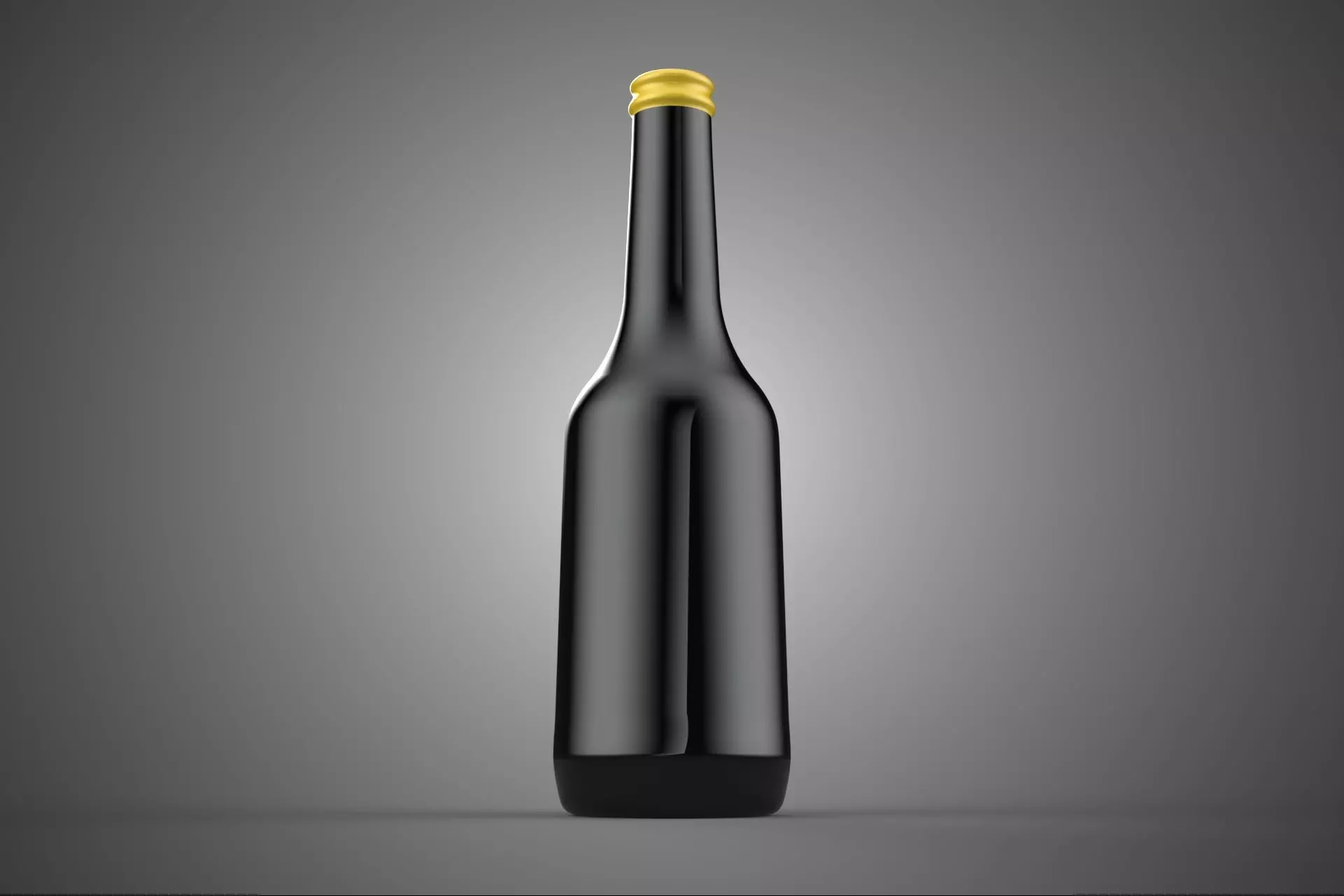
PREMIUM SHOYU SOY SAUCE DARK BOTTLE ASIAN SEASONING CONDIMENT
Premium Shoyu (醤油), a category of Japanese-style fermented soy sauce, is a liquid condiment characterized by its deep umami flavor, complex aromatic profile, and specialized manufacturing process that qualifies it for superior grading standards. As a fundamental component of East Asian and global cuisine, shoyu acts as both a seasoning agent and a finishing dip. The designation Premium typically implies adherence to traditional brewing methods (honjōzō), utilizing whole or higher-grade ingredients, and often involving extended aging periods compared to standard commercial varieties.
Classification and Grading
Shoyu is traditionally classified under the Japan Agricultural Standard (JAS), though Premium is often a proprietary designation used by producers to indicate top-tier quality (tokusen, or special grade; tokkyū, or superior grade). These premium grades are strictly defined by their ingredients and brewing process.
Standard shoyu production involves soybeans (often defatted soy meal), wheat, salt, and water, inoculated with kōji (a specific mold, usually Aspergillus oryzae). For a shoyu to achieve a premium designation, manufacturers often utilize specific techniques:
- Whole Soybeans: Use of whole soybeans rather than defatted meal, contributing richer oil content and a smoother mouthfeel.
- Higher Protein Content: A higher proportion of wheat to soybeans, or superior quality soybeans, resulting in increased amino acid concentration and heightened umami.
- Natural Brewing (Honjōzō): Exclusively relying on natural fermentation and aging (typically 6 months to 3 years) in moromi (the mash stage), avoiding the accelerated, chemically-hydrolyzed process used in lower-grade products.
- Specialized Water: Use of specific regional water sources, believed to influence the microbial action during fermentation.
Premium shoyu typically belongs to the Koikuchi (dark) or Usukuchi (light) categories, with Koikuchi being the most globally recognized dark, all-purpose style, accounting for approximately 80% of Japanese domestic production.
### Production Methodology
The production of Premium Shoyu is a meticulous, multi-stage process rooted in centuries of tradition:
- Kōji Preparation: Steamed soybeans and roasted, crushed wheat are mixed. The mixture is inoculated with kōji spores and allowed to incubate in controlled environments for approximately three days, converting starches and proteins into sugars and amino acids.
- Moromi Fermentation: The kōji mixture is introduced into brine (saltwater), forming the moromi mash. Yeast (Saccharomyces rouxii) and lactic acid bacteria initiate fermentation, often conducted in large vats. The Premium distinction is heavily influenced by the extended maturation period in this stage, where the slow breakdown of components develops complex esters and volatile aromatics.
- Pressing and Refining: After maturation, the moromi is carefully pressed to extract the raw shoyu. The liquid is then clarified, filtered, and subjected to low-temperature pasteurization (hi-ire) to stabilize the flavor profile and inhibit unwanted microbial activity.
### Sensory Profile and Culinary Use
Premium shoyu exhibits a distinctive profile:
- Color: A deep, translucent, reddish-brown hue.
- Aroma: Pungent, complex, and savory, often containing notes of dried fruit, chocolate, and roasted nuts derived from the specific amino-carbonyl reactions during aging.
- Flavor: Intense and balanced, providing strong umami richness with a subtle underlying sweetness and moderate salinity.
It functions primarily as an Asian seasoning condiment, used both in cooking (simmering broths, glazes, marinades) and as a crucial tabletop element for dipping sushi, sashimi, dumplings, and various grilled items.
### Packaging Considerations: The Dark Bottle
The specification of the Dark Bottle is a critical packaging decision directly tied to maintaining the integrity of the premium product. Shoyu is highly susceptible to degradation through exposure to ultraviolet (UV) light and visible light. Light exposure catalyzes oxidation reactions, leading to the loss of aromatic compounds, a shift in color (darkening), and the development of off-flavors.
High-grade shoyu is therefore frequently packaged in opaque, dark brown, or black glass or specialized PET bottles. This protective measure ensures flavor stability and preserves the complex quality attained through the extended, expensive brewing process, confirming the premium standard to the consumer.
KEYWORDS: Shoyu, Soy Sauce, Japanese Condiment, Umami, Fermentation, Kōji, Moromi, Honjōzō, Koikuchi, Seasoning, Premium Grade, Dark Bottle, Asian Cuisine, Naturally Brewed, Tamari, Flavor Profile, Salt Content, Wheat, Soybeans, Tokkyū, Preservation, Food Science, Dip Sauce, Marinade, Aspergillus oryzae, Traditional Method, Aged, Flavor Stability, Liquid Condiment, Culinary Ingredient