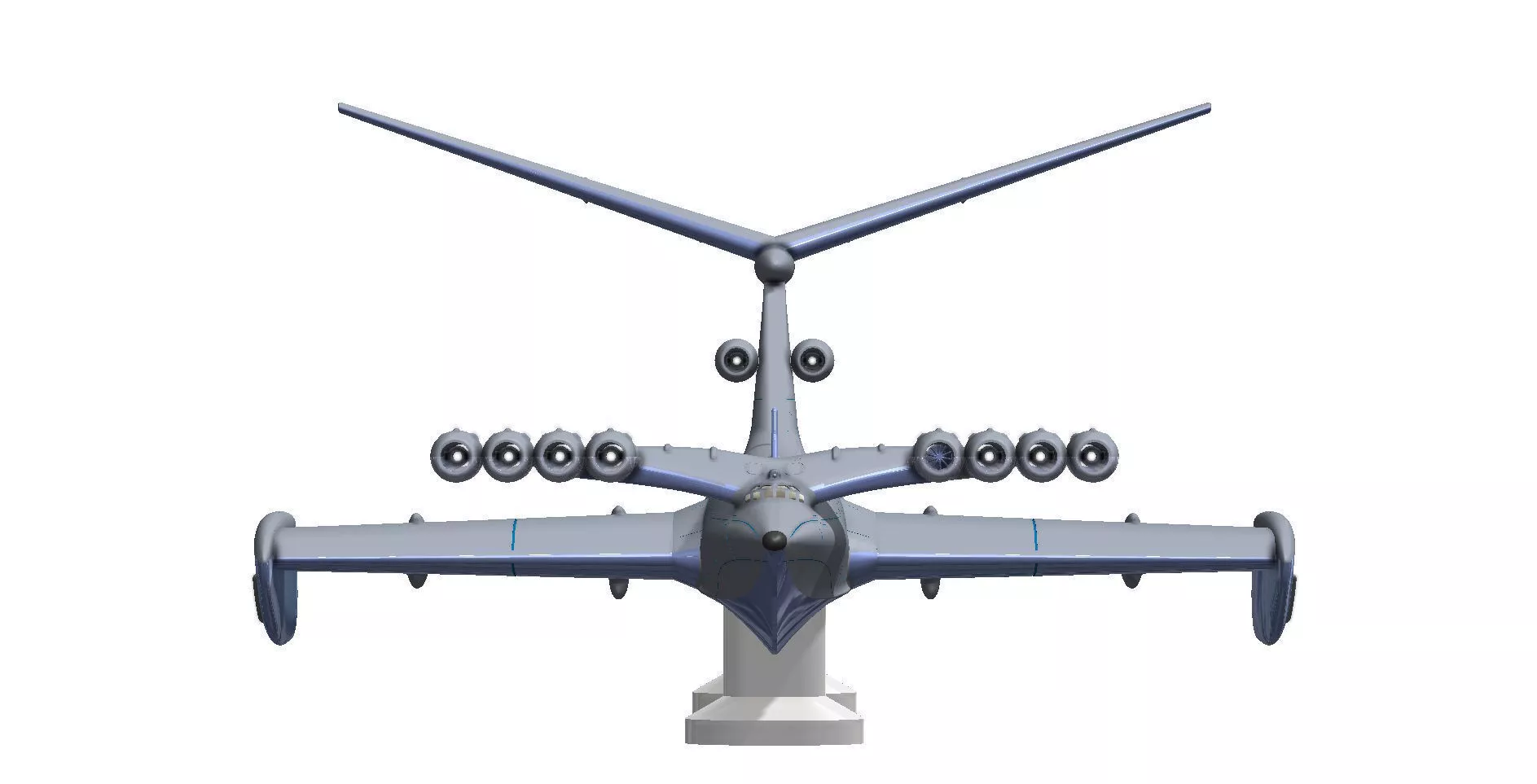
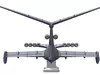
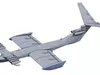
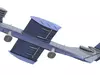
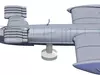
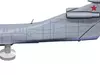
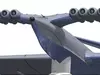
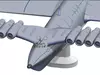
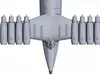
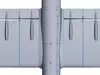
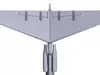
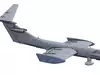
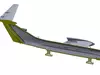
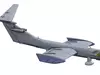
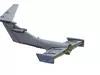
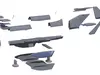
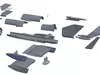
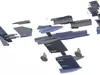
The Caspian Sea Monster (KM) was the world’s largest ground-effect vehicle, a Soviet experimental ekranoplan built in the 1960s to test the concept of high-speed, low-altitude flight over water. Stretching nearly 100 meters in reality, the KM remains one of the most ambitious and mysterious aircraft ever constructed, inspiring fascination among aviation and naval enthusiasts alike. My 1-meter-long 3D printable model captures the unique proportions and dramatic presence of this legendary machine. The model consists of 34 separate STL files, allowing for manageable printing and detailed assembly. The hull is designed with an empty interior, making it suitable for custom projects such as RC conversion, lighting, or static display with additional internal details added by the builder. I did not intend this model to fly but I think, it can easily float.
3D printing settingsFor best results, the model is optimized for printers with a 220 × 220 × 250 mm build volume, with the parts divided to fit standard machines. I recommend printing in PLA+ or PETG with 0.2 mm layer height for a balance of detail and strength, and at least 15–20% infill for structural stability. Larger hull parts benefit from a brim or raft to improve bed adhesion. Supports are generally required for the more complex curves, such as the wing root and nacelle sections. Assembly is straightforward, with the pieces designed to align precisely. With careful finishing and painting, the completed 1-meter KM becomes an impressive display piece or a versatile base for further experimental projects.