High-quality 3D assets at affordable prices — trusted by designers, engineers, and creators worldwide. Made with care to be versatile, accessible, and ready for your pipeline.
Included File Formats
This model is provided in 14 widely supported formats, ensuring maximum compatibility:
• - FBX (.fbx) – Standard format for most 3D software and pipelines
• - OBJ + MTL (.obj, .mtl) – Wavefront format, widely used and compatible
• - STL (.stl) – Exported mesh geometry; may be suitable for 3D printing with adjustments
• - STEP (.step, .stp) – CAD format using NURBS surfaces
• - IGES (.iges, .igs) – Common format for CAD/CAM and engineering workflows (NURBS)
• - SAT (.sat) – ACIS solid model format (NURBS)
• - DAE (.dae) – Collada format for 3D applications and animations
• - glTF (.glb) – Modern, lightweight format for web, AR, and real-time engines
• - 3DS (.3ds) – Legacy format with broad software support
• - 3ds Max (.max) – Provided for 3ds Max users
• - Blender (.blend) – Provided for Blender users
• - SketchUp (.skp) – Compatible with all SketchUp versions
• - AutoCAD (.dwg) – Suitable for technical and architectural workflows
• - Rhino (.3dm) – Provided for Rhino users
Model Info
• - All files are checked and tested for integrity and correct content
• - Geometry uses real-world scale; model resolution varies depending on the product (high or low poly)
• • - Scene setup and mesh structure may vary depending on model complexity
• - Rendered using Luxion KeyShot
• - Affordable price with professional detailing
Buy with confidence. Quality and compatibility guaranteed.
If you have any questions about the file formats, feel free to send us a message — we're happy to assist you!
Sincerely,
SURF3D
Trusted source for professional and affordable 3D models.
More Information About 3D Model :
**
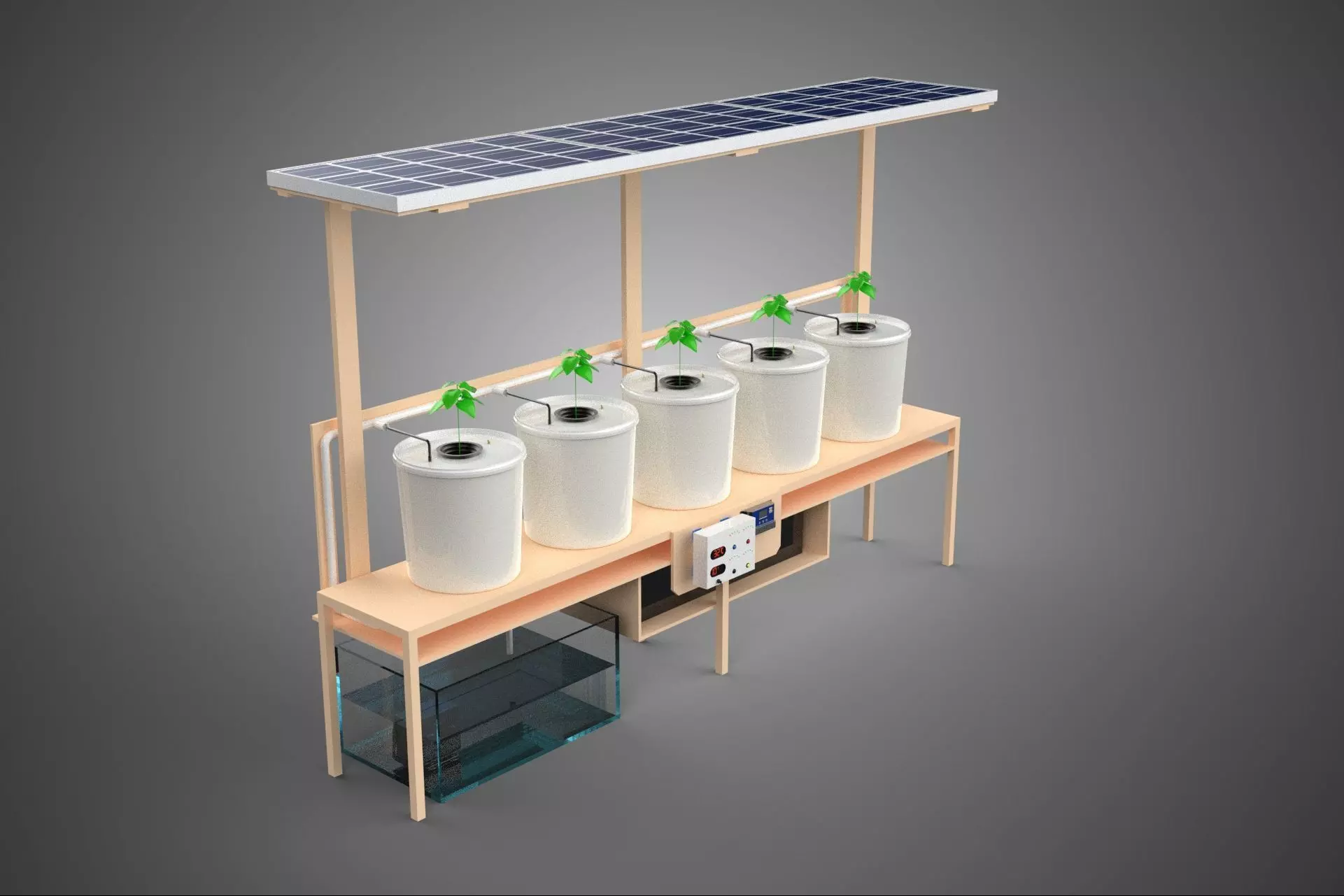
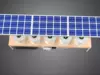
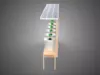
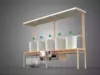
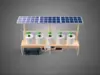
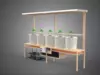
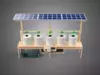
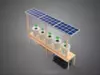
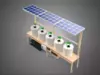
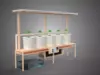
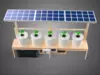
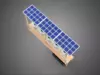
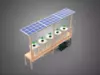
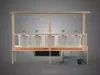
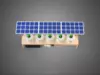
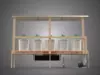
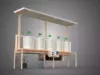
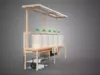
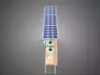
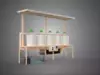
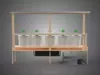
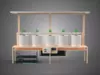
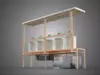
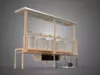
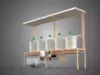
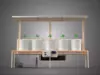
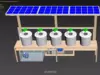
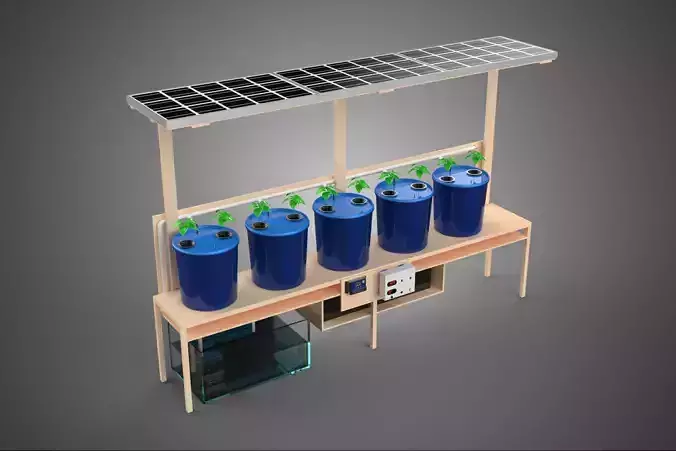
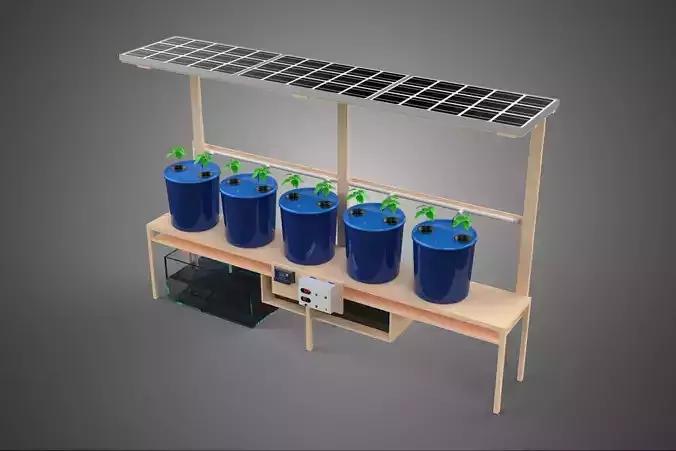
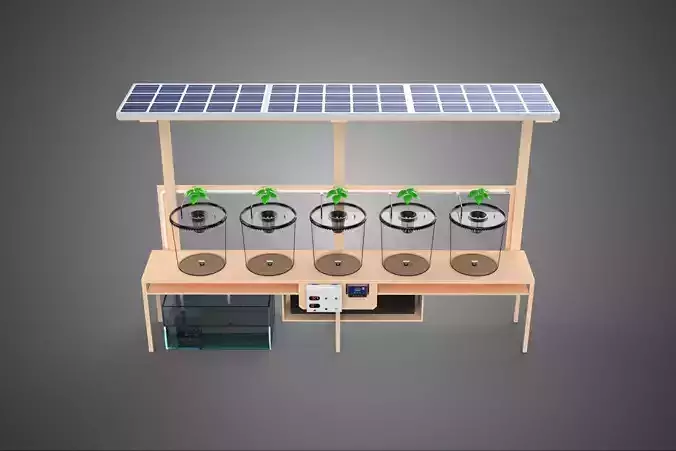
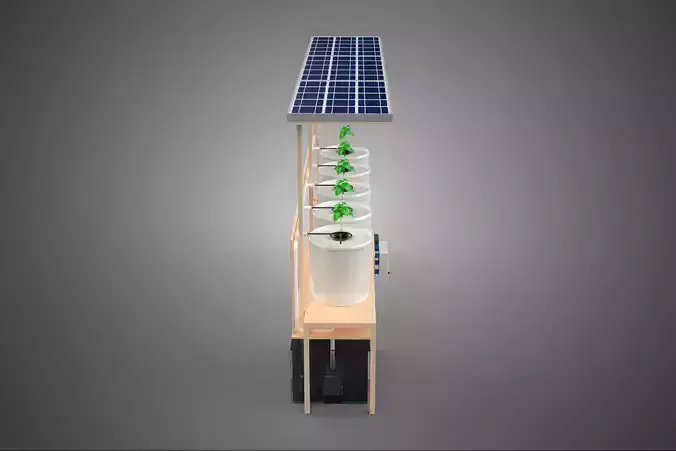
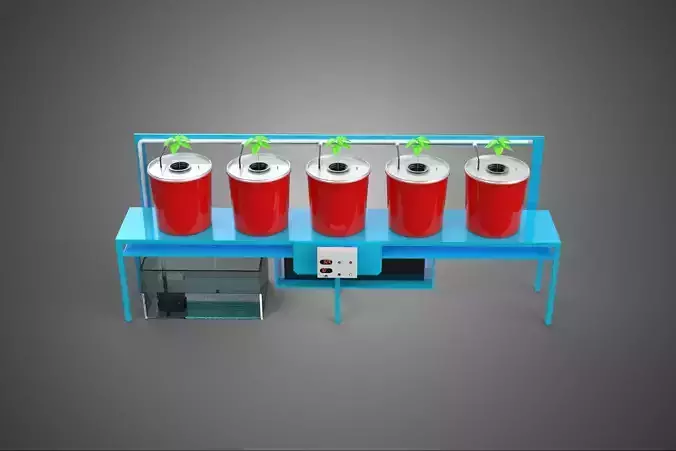
IOT SOLAR PANEL HYDROPONIC AEROPONIC PLANT DUTCH BUCKET SYSTEM
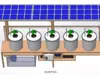
The IOT Solar Panel Hydroponic Aeroponic Plant Dutch Bucket System represents a sophisticated integration of controlled environment agriculture (CEA), renewable energy, and precision data management. This framework is designed to optimize plant growth cycles, minimize resource expenditure (especially water and energy), and enable remote operational control, positioning it as a key technological advancement in sustainable agriculture and urban farming.
1. System Architecture and Integration
This integrated system operates as a closed-loop, data-driven framework combining four primary technological subsystems: Energy Provision (Solar Photovoltaics), Cultivation Methods (Hydroponics, Aeroponics, Dutch Bucket), Sensing and Control (Internet of Things - IoT), and Structural Support (the growing medium/container array).
1.1. Energy Subsystem (Solar Photovoltaics)
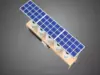
Power autonomy is achieved through the integration of photovoltaic (PV) solar panels. These panels convert solar radiation into electricity, which powers the essential components of the system, including nutrient pumps, aeration devices, misting nozzles (for aeroponics), environmental controls (fans, HVAC where applicable), and the critical IoT sensing and communication network. Excess energy is typically stored in battery banks, enabling continuous, off-grid operation and protecting the system from power interruptions. This subsystem dramatically reduces operational costs and the carbon footprint associated with traditional farming powered by the electrical grid.
1.2. Cultivation Subsystems
The system utilizes advanced soilless cultivation techniques tailored for maximum efficiency and yield diversity.
- Dutch Bucket (Bato Bucket) System: This is a popular recirculating hydroponic method highly suitable for large, long-term fruiting crops such as tomatoes, cucumbers, peppers, and eggplants. Each plant is housed in an individual container (the Dutch Bucket) filled with an inert medium (perlite, coco coir, rockwool). Nutrient solution is delivered via drip irrigation to the base of the plant, and excess solution drains into a common return line, which cycles the nutrient-rich water back to a central reservoir for monitoring and reuse. This method ensures efficient nutrient delivery (fertigation) and high water conservation rates.
- Hydroponics (General): While Dutch Buckets are a specific type, the system often incorporates general hydroponic techniques (e.g., Deep Water Culture or Nutrient Film Technique) for smaller leafy greens or propagation, sharing the same central nutrient solution monitoring and delivery infrastructure.
- Aeroponics: Aeroponics involves suspending plant roots in the air within an enclosed environment and periodically misting them with a fine aerosolized nutrient solution. This technique provides superior oxygenation to the root zone, often leading to accelerated growth and higher yields compared to traditional hydroponics. In the integrated system, aeroponics is typically utilized for high-value crops or seedling propagation, controlled by high-precision, IoT-monitored solenoid valves.
#### 1.3. Automation and IoT Monitoring
The Internet of Things (IoT) provides the intelligent overlay necessary for precision agriculture. A network of sensors constantly monitors critical parameters affecting plant health and system performance.
- Environmental Sensors: Measure air temperature, relative humidity, light intensity (PAR/PPFD), and CO2 concentration.
- Solution Sensors: Monitor the Electrical Conductivity (EC) or Total Dissolved Solids (TDS)—indicating nutrient concentration—and the pH level of the recirculating nutrient solution.
- Control Mechanisms: Microcontrollers (e.g., Raspberry Pi or Arduino-based units) process the real-time sensor data. Actuators, pumps, and automated dosing equipment are then triggered to maintain optimal set points. For example, if the pH drifts, the IoT system automatically doses acid or base buffers. If the EC drops, concentrated nutrient stock solutions are injected.
- Data Transmission: Data is logged and often transmitted via Wi-Fi or cellular networks to a cloud-based platform or user interface (dashboard), allowing growers to remotely monitor, analyze, and adjust system parameters from any location. This remote capability is essential for scalability and efficiency.
### 2. Operational Principles and Advantages
The core operational principle is synergistic efficiency. The solar panels guarantee power for the pumps and sensors; the IoT layer ensures that nutrient delivery (via the Dutch Bucket system) and environmental factors are precisely regulated; and the dual cultivation methods (hydroponic/aeroponic) allow for diverse, optimized crop production.
Key advantages include:
- Water Conservation: Recirculating systems, particularly Dutch Buckets, reduce water usage by up to 90% compared to traditional soil farming.
- Energy Sustainability: Reliance on solar power minimizes operating costs and ecological impact.
- Precision Agriculture: IoT enables hyper-optimization of nutrient delivery and climate control, leading to improved crop quality and predictable yields.
- Reduced Labor: Automation of monitoring, nutrient mixing, and irrigation significantly lowers manual labor requirements.
- Scalability: The modular design of Dutch Buckets and the remote control capabilities are highly scalable for both small-scale projects and large commercial installations.
KEYWORDS: Controlled Environment Agriculture, Precision Agriculture, Hydroponics, Aeroponics, Dutch Bucket, Bato Bucket, IoT, Sensor Networks, Solar Photovoltaics, Renewable Energy, Fertigation, Recirculating System, Soilless Culture, Crop Optimization, Microcontrollers, EC Monitoring, pH Control, Automated Dosing, Sustainable Farming, Urban Agriculture, Closed-Loop System, Water Conservation, Data Logging, Off-Grid, CEA, Nutrient Film Technique, Greenhouse Technology, Solenoid Valves, Yield Prediction, Automation.