High-quality 3D assets at affordable prices — trusted by designers, engineers, and creators worldwide. Made with care to be versatile, accessible, and ready for your pipeline.
Included File Formats
This model is provided in 14 widely supported formats, ensuring maximum compatibility:
• - FBX (.fbx) – Standard format for most 3D software and pipelines
• - OBJ + MTL (.obj, .mtl) – Wavefront format, widely used and compatible
• - STL (.stl) – Exported mesh geometry; may be suitable for 3D printing with adjustments
• - STEP (.step, .stp) – CAD format using NURBS surfaces
• - IGES (.iges, .igs) – Common format for CAD/CAM and engineering workflows (NURBS)
• - SAT (.sat) – ACIS solid model format (NURBS)
• - DAE (.dae) – Collada format for 3D applications and animations
• - glTF (.glb) – Modern, lightweight format for web, AR, and real-time engines
• - 3DS (.3ds) – Legacy format with broad software support
• - 3ds Max (.max) – Provided for 3ds Max users
• - Blender (.blend) – Provided for Blender users
• - SketchUp (.skp) – Compatible with all SketchUp versions
• - AutoCAD (.dwg) – Suitable for technical and architectural workflows
• - Rhino (.3dm) – Provided for Rhino users
Model Info
• - All files are checked and tested for integrity and correct content
• - Geometry uses real-world scale; model resolution varies depending on the product (high or low poly)
• • - Scene setup and mesh structure may vary depending on model complexity
• - Rendered using Luxion KeyShot
• - Affordable price with professional detailing
Buy with confidence. Quality and compatibility guaranteed.
If you have any questions about the file formats, feel free to send us a message — we're happy to assist you!
Sincerely,
SURF3D
Trusted source for professional and affordable 3D models.
More Information About 3D Model :
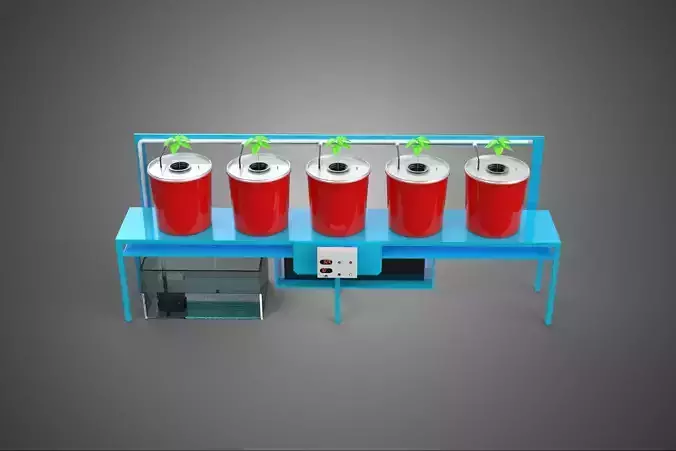
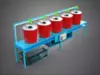
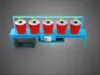
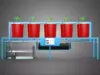
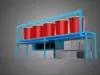
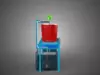
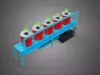
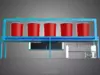
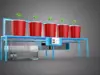
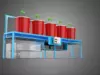
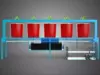
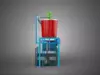
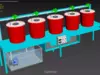
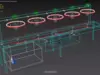
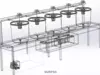
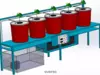
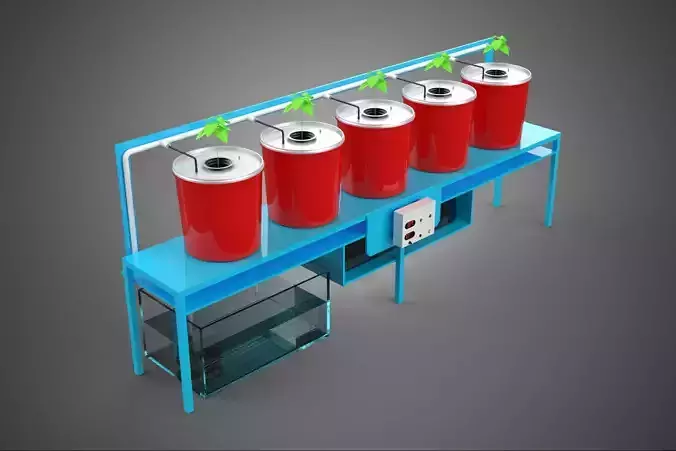
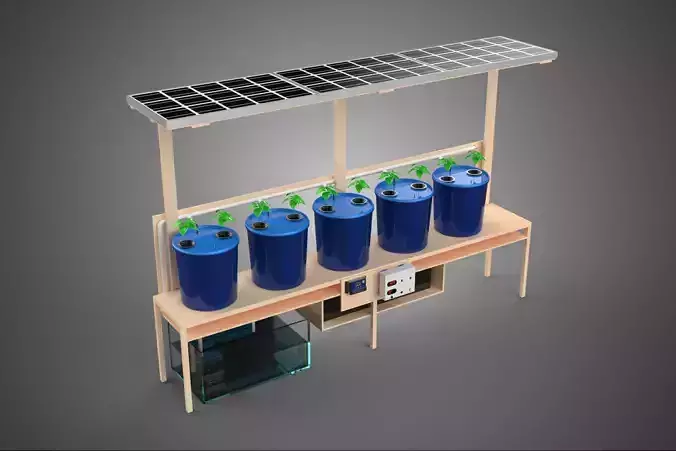
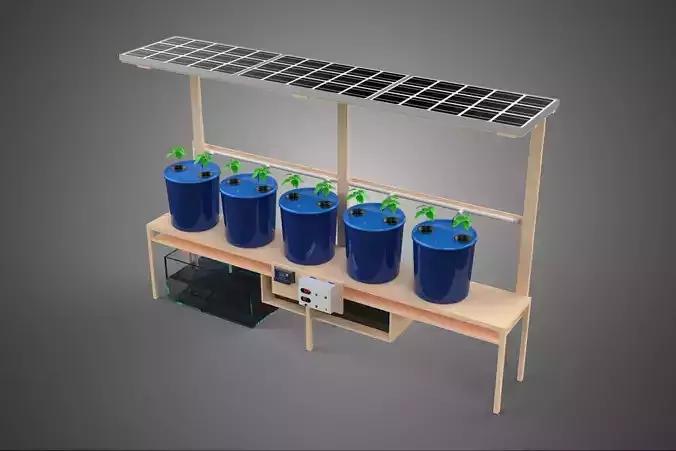
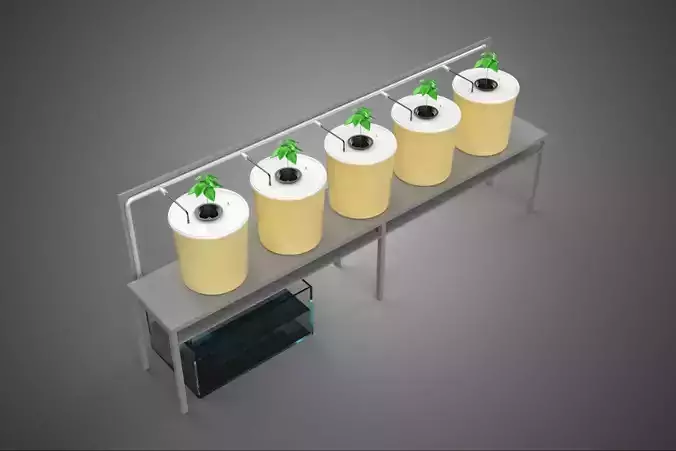
The IOT Auto Recirculating Dutch Bucket Hydroponic Aeroponic System represents a sophisticated integration of controlled environment agriculture (CEA) methodologies with advanced sensor-driven automation. This hybrid cultivation technology is designed for high-yield precision farming, primarily utilized for vining crops suchating as tomatoes, cucumbers, peppers, and larger fruiting vegetables.
System Architecture and Methodology
The system’s foundation is the Dutch Bucket (or Bato Bucket) technique, a specialized form of substrate hydroponics. Plants are grown in individual plastic containers filled with an inert, non-soil medium (e.g., perlite, coco coir, rockwool). Each bucket is fed nutrient solution via a targeted drip emitter.
The term Hydroponic Aeroponic System signifies a hybrid approach to nutrient delivery and root environment management. While the traditional Dutch Bucket relies on substrate and drip irrigation (hydroponics), the hybrid integration may involve:
-
Supplemental Aeroponics: Utilizing high-pressure or low-pressure misters within the root zone or in specialized starter modules to maximize dissolved oxygen uptake and nutrient absorption efficiency, particularly during propagation.
-
Optimized Drain Cycle: Managing the nutrient feed/drain cycle to ensure roots are periodically exposed to air gaps, mimicking the high oxygen levels characteristic of true aeroponics while maintaining the structural stability provided by the Dutch Bucket substrate.
### Auto Recirculation and Nutrient Management
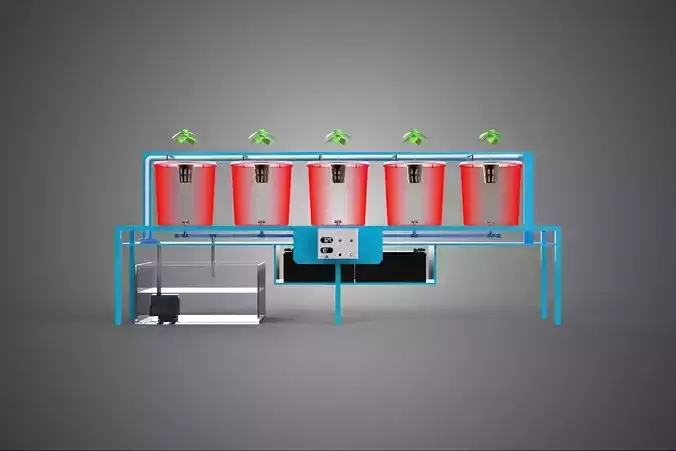
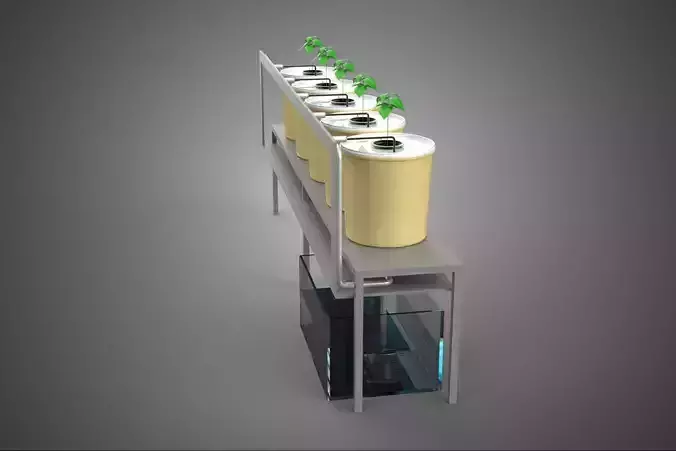
The Auto Recirculating mechanism defines the closed-loop nature of the system, maximizing resource efficiency. Nutrient solution (fertigation) is stored in a central reservoir and pumped through the system to the individual buckets. Excess solution that is not absorbed by the plants drains from the bottom of the buckets, flows through a return line, and is collected back in the main reservoir.
This collected solution is continuously monitored and treated. Essential parameters—specifically Electrical Conductivity (EC), which measures nutrient concentration, and pH (acidity/alkalinity)—are monitored in real-time. Automated dosing pumps inject concentrated fertilizer components and pH adjusters (acids or bases) to maintain the ideal stoichiometric ratios prescribed for the specific growth stage of the crop. This proactive adjustment minimizes nutrient wastage and prevents environmental imbalances that could stress the plants.
### IOT Integration and Automation
The IOT (Internet of Things) component provides the intelligence layer for remote monitoring and automated control, moving the system beyond simple timers and manual adjustments. The IOT architecture typically comprises:
-
Sensory Array: High-precision sensors continuously measure critical environmental and nutrient parameters (pH, EC, water temperature, reservoir level, ambient temperature, humidity, and possibly dissolved oxygen).
-
Microcontroller Unit (MCU): A central processing unit (e.g., Raspberry Pi, Arduino, or specialized industrial controller) collects sensor data, executes control algorithms, and manages actuation devices (pumps, solenoid valves, HVAC systems, and supplementary lighting).
-
Connectivity Module: Wi-Fi or cellular network capabilities transmit real-time data to a cloud-based server or local database.
-
User Interface: A dashboard accessible via web browser or mobile application allows operators to monitor current conditions, review historical data logs, receive threshold alerts (e.g., low pH, high EC), and remotely modify system settings (e.g., pump schedules, target nutrient levels).
This integrated automation facilitates precision farming, allowing operators to adjust cultivation parameters dynamically based on environmental feedback and specific plant needs, leading to predictable yields and reduced labor overhead.
### Advantages
The combination of IOT automation and the robust Dutch Bucket methodology offers several key advantages: high water and nutrient use efficiency (up to 90% savings compared to traditional soil farming), scalability, robust support for heavy-yielding plants, precise environmental control, and reduced risk of waterborne diseases through automated sanitation cycles.
KEYWORDS: Precision Farming, Hydroponics, Aeroponics, Dutch Bucket, Bato Bucket, IOT, CEA, Controlled Environment Agriculture, Recirculating Hydroponics, Closed-Loop System, Nutrient Film Technique, Electrical Conductivity, pH Monitoring, Automated Dosing, Sensor Technology, Fertigation, Substrate Culture, Greenhouse Automation, Smart Agriculture, Remote Monitoring, Water Efficiency, High Yield, Vining Crops, Data Logging, Microcontroller, Actuation, Root Zone Management, Dissolved Oxygen, Resource Optimization, Aquaculture.