High-quality 3D assets at affordable prices — trusted by designers, engineers, and creators worldwide. Made with care to be versatile, accessible, and ready for your pipeline.
Included File Formats
This model is provided in 14 widely supported formats, ensuring maximum compatibility:
• - FBX (.fbx) – Standard format for most 3D software and pipelines
• - OBJ + MTL (.obj, .mtl) – Wavefront format, widely used and compatible
• - STL (.stl) – Exported mesh geometry; may be suitable for 3D printing with adjustments
• - STEP (.step, .stp) – CAD format using NURBS surfaces
• - IGES (.iges, .igs) – Common format for CAD/CAM and engineering workflows (NURBS)
• - SAT (.sat) – ACIS solid model format (NURBS)
• - DAE (.dae) – Collada format for 3D applications and animations
• - glTF (.glb) – Modern, lightweight format for web, AR, and real-time engines
• - 3DS (.3ds) – Legacy format with broad software support
• - 3ds Max (.max) – Provided for 3ds Max users
• - Blender (.blend) – Provided for Blender users
• - SketchUp (.skp) – Compatible with all SketchUp versions
• - AutoCAD (.dwg) – Suitable for technical and architectural workflows
• - Rhino (.3dm) – Provided for Rhino users
Model Info
• - All files are checked and tested for integrity and correct content
• - Geometry uses real-world scale; model resolution varies depending on the product (high or low poly)
• • - Scene setup and mesh structure may vary depending on model complexity
• - Rendered using Luxion KeyShot
• - Affordable price with professional detailing
Buy with confidence. Quality and compatibility guaranteed.
If you have any questions about the file formats, feel free to send us a message — we're happy to assist you!
Sincerely,
SURF3D
Trusted source for professional and affordable 3D models.
More Information About 3D Model :
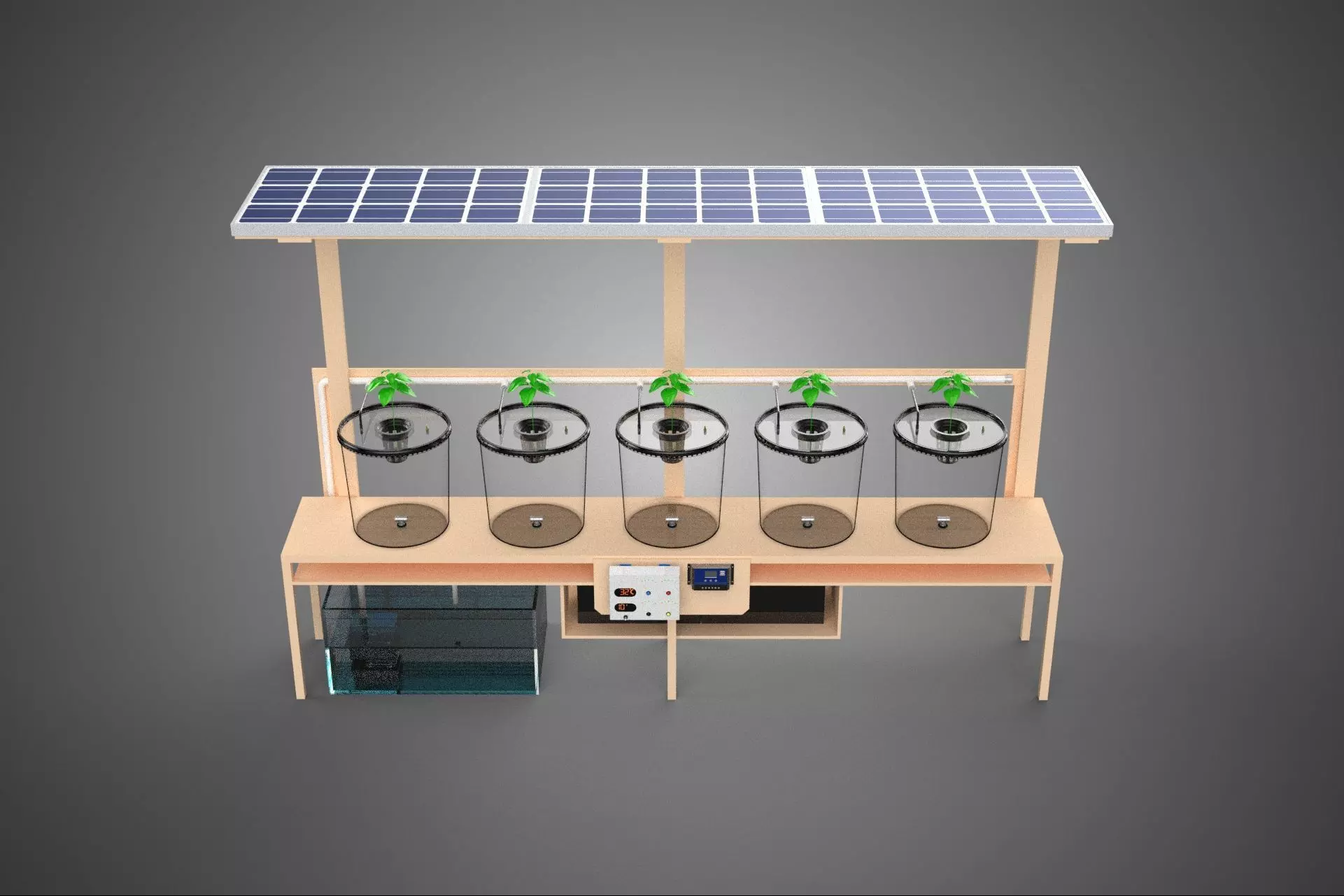
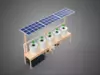
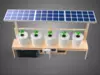
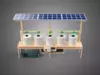
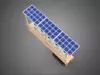
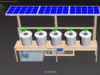
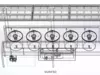
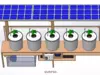
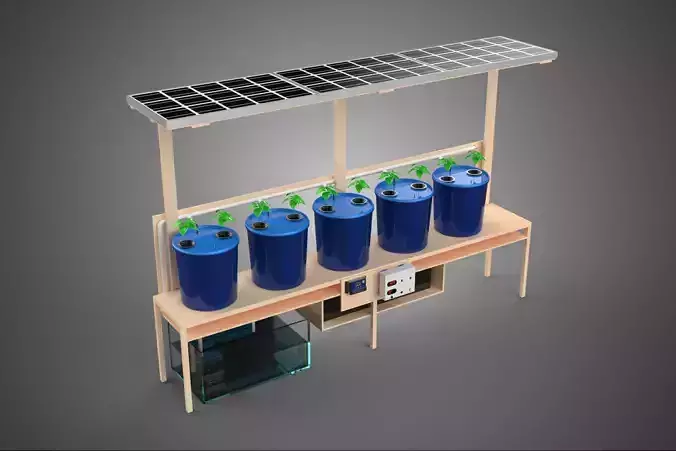
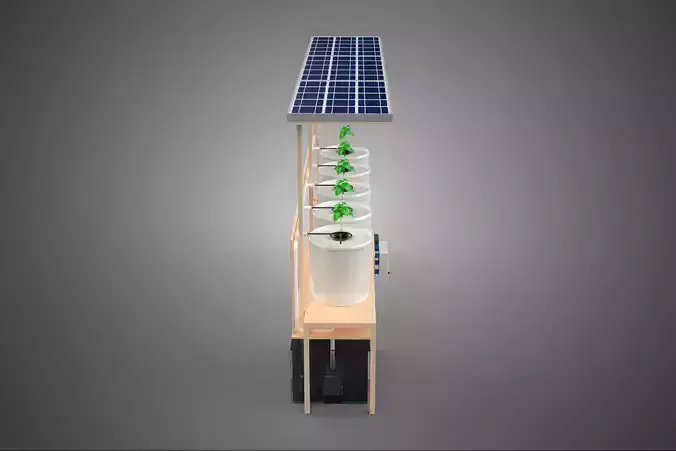
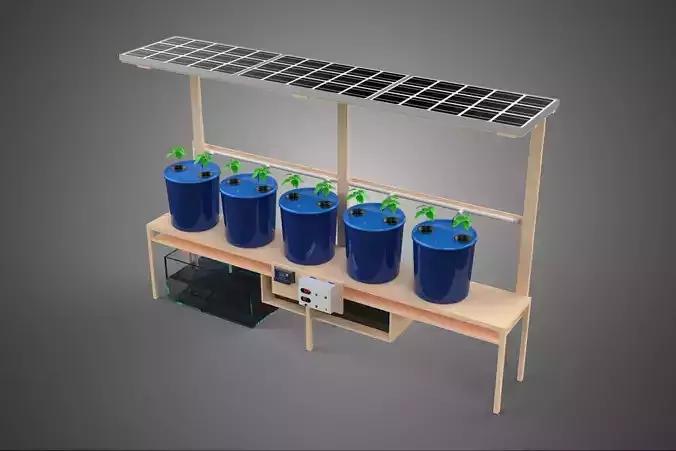
Smart Precision Agriculture Urban Soilless Cultivation Farming (SPAUSC-F)
Smart Precision Agriculture Urban Soilless Cultivation Farming (SPAUSC-F) defines a highly advanced, integrated agricultural paradigm characterized by the synergistic deployment of data science, controlled environment agriculture (CEA), and resource optimization methodologies specifically situated within or adjacent to densely populated metropolitan areas. This specialized sector utilizes technology to overcome the traditional constraints of land scarcity, climatic variability, and excessive resource consumption inherent to conventional farming, positioning food production closer to consumption centers.
Foundational Methodology: Soilless Cultivation
The core operational principle of SPAUSC-F is the exclusion of soil as a growing medium. Instead, soilless cultivation techniques deliver essential mineral nutrients directly to the plant roots via water solutions. The dominant methods include:
- Hydroponics: Roots are suspended in a nutrient solution or inert substrates (e.g., rockwool, coco coir). Techniques such as Nutrient Film Technique (NFT), Deep Water Culture (DWC), and Drip Systems are common.
- Aeroponics: Plants are suspended in the air, and their roots are periodically misted with a fine aerosolized nutrient solution, maximizing oxygen exposure and minimizing water usage.
- Aquaponics: A symbiotic system integrating aquaculture (raising fish) and hydroponics, where fish waste provides nutrients for the plants, and the plants filter the water returned to the fish tanks.
These systems enable efficient, closed-loop water recirculation, resulting in reductions of water consumption by up to 90% compared to traditional field agriculture. Soilless methods also eliminate the need for herbicides and minimize the reliance on chemical pesticides, as the controlled indoor environment significantly reduces pest and disease pressure.
### Technological Integration: Smart and Precision Components
The Smart Precision element is predicated on the pervasive integration of the Internet of Things (IoT), advanced sensing technologies, and computational intelligence.
1. Sensor Networks and IoT Infrastructure: Dense arrays of environmental and biological sensors continuously monitor critical growth parameters. These include, but are not limited to:
- Nutrient Solution Parameters: Electrical Conductivity (EC) for total dissolved solids, pH levels, and dissolved oxygen (DO).
- Atmospheric Variables: Air temperature, relative humidity, vapor pressure deficit (VPD), and carbon dioxide (CO2) concentrations.
- Light Regulation: Monitoring of Photosynthetically Active Radiation (PAR) flux and light spectrum output from LED lighting systems.
- Plant Health Monitoring: Non-invasive imaging technologies (e.g., hyperspectral, thermal) track plant morphology, stress indicators, and chlorophyll content in real-time.
2. Data Analytics and Automation: Collected data streams are aggregated into centralized management platforms. Artificial Intelligence (AI) and Machine Learning (ML) algorithms analyze this massive dataset to construct highly accurate predictive models for crop demands. This allows for immediate, automated adjustments to the CEA environment, ensuring that resources (water, nutrients, light, temperature) are applied with exactitude, adhering strictly to the principles of Precision Agriculture. Robotics and mechanized systems handle repetitive tasks such as seeding, harvesting, and packaging, further optimizing labor efficiency and operational throughput.
### Contextual Application: Urban Farming
The designation of Urban Soilless Cultivation signifies the strategic location of these facilities within metropolitan areas. Implementation often involves vertical farms (multi-tiered systems utilizing industrial warehouses or dedicated structures) or specialized rooftop greenhouses.
The primary benefits of this urban placement include significant reduction in food miles, thereby lowering transportation costs and the associated carbon footprint. Proximity to consumers enhances food security, enables faster market response, and provides access to exceptionally fresh, nutrient-dense produce with extended shelf life. However, urban deployment necessitates high capital expenditure for facility construction and rigorous energy management, as artificial lighting (photoperiod control) represents the major operational cost. Advanced energy-efficient LED systems with customizable light recipes are essential for economic viability.
SPAUSC-F is recognized as a key component in building resilient, localized food systems capable of insulating populations from external supply chain disruptions and addressing the increasing demand for sustainable agricultural practices in a rapidly urbanizing world.
KEYWORDS: Hydroponics, Aeroponics, Vertical Farming, IoT, Controlled Environment Agriculture, Precision Agriculture, Urban Farming, Food Security, Data Analytics, Automation, Sensor Networks, Resource Efficiency, Climate Control, LED Lighting, Machine Learning, Aquaponics, Nutrient Film Technique, EC/pH Monitoring, Crop Optimization, Sustainability, AgTech, Robotics, Zero Food Miles, Supply Chain Reduction, Metropolitan Agriculture, Smart Farming, Biomonitoring, Yield Maximization, Closed-Loop System, CEA.