High-quality 3D assets at affordable prices — trusted by designers, engineers, and creators worldwide. Made with care to be versatile, accessible, and ready for your pipeline.
Included File Formats
This model is provided in 14 widely supported formats, ensuring maximum compatibility:
• - FBX (.fbx) – Standard format for most 3D software and pipelines
• - OBJ + MTL (.obj, .mtl) – Wavefront format, widely used and compatible
• - STL (.stl) – Exported mesh geometry; may be suitable for 3D printing with adjustments
• - STEP (.step, .stp) – CAD format using NURBS surfaces
• - IGES (.iges, .igs) – Common format for CAD/CAM and engineering workflows (NURBS)
• - SAT (.sat) – ACIS solid model format (NURBS)
• - DAE (.dae) – Collada format for 3D applications and animations
• - glTF (.glb) – Modern, lightweight format for web, AR, and real-time engines
• - 3DS (.3ds) – Legacy format with broad software support
• - 3ds Max (.max) – Provided for 3ds Max users
• - Blender (.blend) – Provided for Blender users
• - SketchUp (.skp) – Compatible with all SketchUp versions
• - AutoCAD (.dwg) – Suitable for technical and architectural workflows
• - Rhino (.3dm) – Provided for Rhino users
Model Info
• - All files are checked and tested for integrity and correct content
• - Geometry uses real-world scale; model resolution varies depending on the product (high or low poly)
• • - Scene setup and mesh structure may vary depending on model complexity
• - Rendered using Luxion KeyShot
• - Affordable price with professional detailing
Buy with confidence. Quality and compatibility guaranteed.
If you have any questions about the file formats, feel free to send us a message — we're happy to assist you!
Sincerely,
SURF3D
Trusted source for professional and affordable 3D models.
More Information About 3D Model :
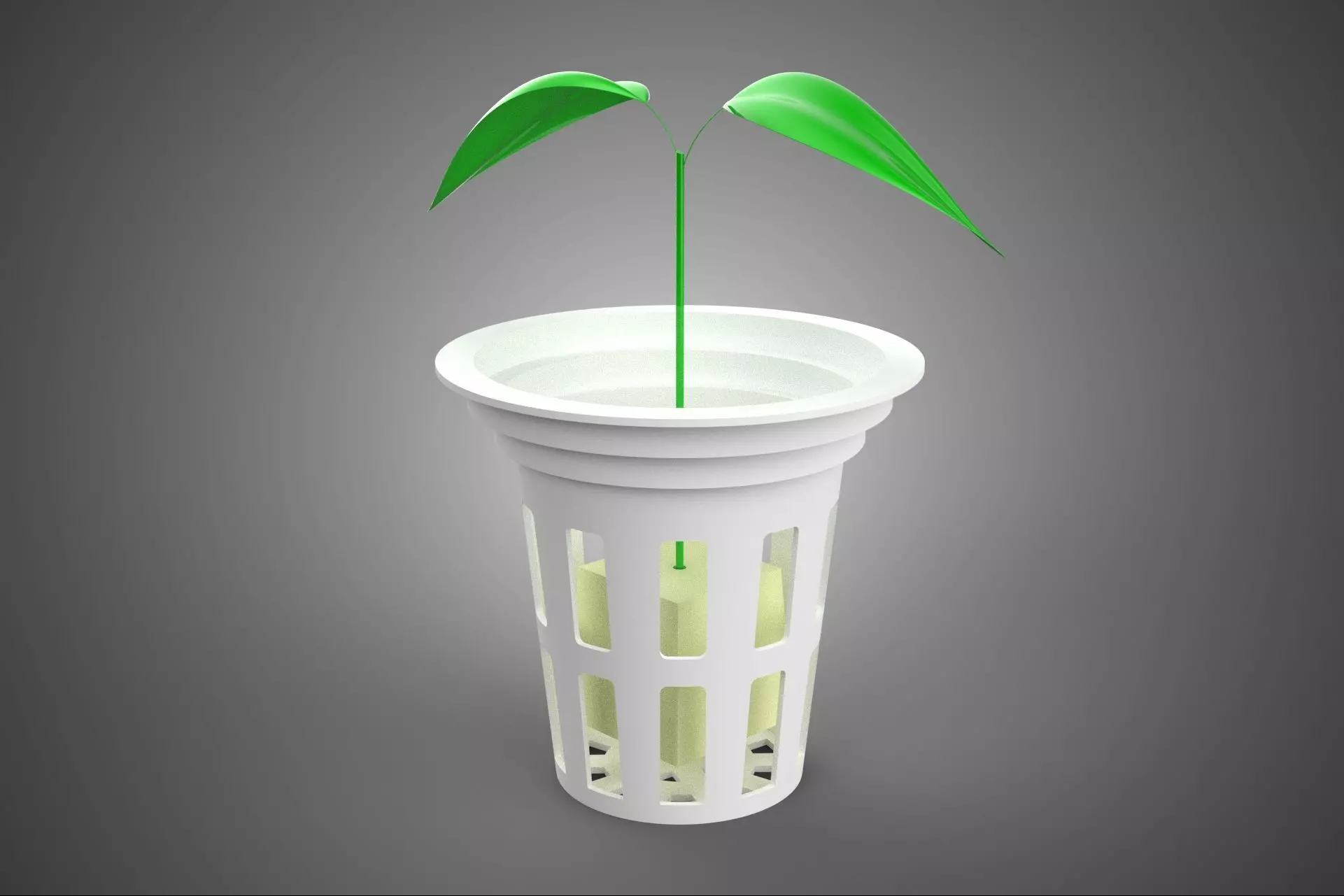
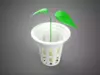
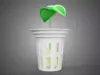
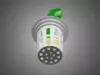
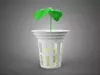
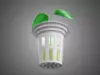
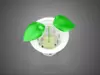
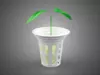
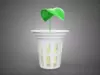
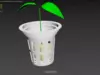
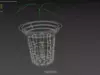
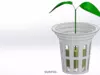
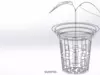
Hydroponic Seedling Cultivation System Components
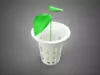
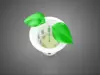
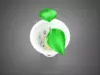
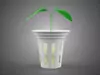
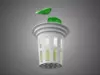
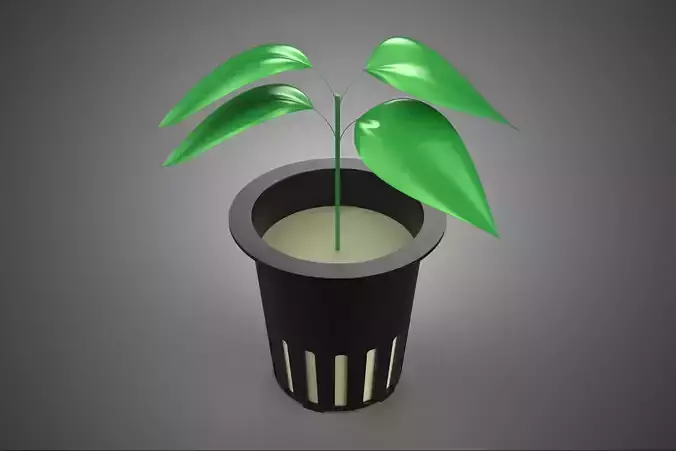
The term HYDROPONIC SEEDLING NET POT PLANT SOIL LESS SPONGE MEDIUM SPROUT refers collectively to the primary, interdependent components utilized in the initial phase of soilless cultivation (hydroponics or aeroponics), specifically focused on germination and early seedling development. This system facilitates the controlled transition of a germinating seed (sprout) into a viable plant ready for transplantation into a larger hydroponic system.
1. Seedling Net Pot (Net Cup)
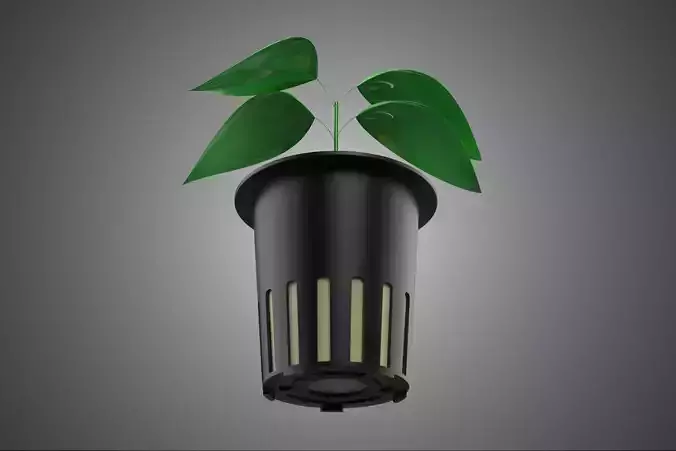
The Net Pot, or Net Cup, is a small, reusable container typically constructed from inert, food-grade plastic (commonly polypropylene or polyethylene). Its defining characteristic is the presence of numerous slits, mesh openings, or perforations across its base and sides. These openings serve a dual purpose: they provide mechanical support for the growth medium while simultaneously allowing the root system of the developing sprout unrestricted access to the nutrient solution circulating within the hydroponic reservoir.
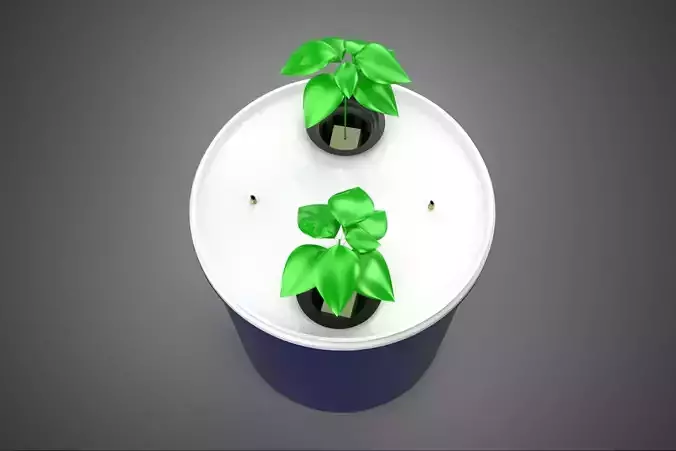
Net pots are engineered to fit snugly within standardized openings in hydroponic cultivation trays or deep-water culture (DWC) systems. Common sizes range from 2 inches (50 mm) to 3.75 inches (95 mm) in diameter, depending on the scale and type of crop being initiated. The design prioritizes maximum aeration (gas exchange) at the root zone interface and prevents saturation damage while ensuring structural integrity for the plant throughout the vegetative stage.
2. Soilless Sponge Medium (Grow Plug/Starter Cube)
The Soilless Sponge Medium is an inert, sterile substrate specifically designed to replace traditional soil in the germination phase. It functions as the initial anchor and moisture reservoir for the seed (sprout) and subsequent root development. These media are critical for providing a consistent, pH-neutral environment conducive to germination without introducing pathogens or inconsistent nutrient levels common in soil.
Common materials for these sponges or plugs include:
- Rockwool (Mineral Wool): Formed from basalt rock and chalk spun into fibers, it offers excellent water retention (up to 80%) and aeration (18-20%). It is widely used due to its sterility and structural stability.
- Coco Coir (Coir Pith): Derived from coconut husks, this organic medium provides high cation-exchange capacity and superior water-holding capacity, often used when organic certification is desired.
- Oasis/Phenolic Foam: A synthetic, hydrophilic foam that maintains a rigid structure while allowing roots to easily penetrate and grow outwards. It is favored for automated seeding operations.
The sponge medium is typically pre-drilled or shaped into cubes/plugs, ready to accept one or more seeds. Once the medium is saturated with water and the seed germinates into a sprout, the entire cube is placed directly into the Net Pot.
### 3. Sprout Development and Functionality
The term Sprout refers to the plant organism immediately following germination—the emergence of the radicle (embryonic root) and the hypocotyl (embryonic shoot). In this hydroponic context, the integrated system (Net Pot and Sponge Medium) supports the delicate sprout during the most vulnerable stage of its life cycle.
The process involves:
- Germination: The seed is placed in the saturated Soilless Sponge Medium.
- Root Establishment: The radicle emerges and begins penetrating the porous sponge medium, seeking moisture and initial, diluted nutrients.
- Hydroponic Integration: The sponge-encased sprout is placed inside the Net Pot, which is then situated over the nutrient solution. As the roots grow beyond the sponge and through the perforations of the Net Pot, they establish direct contact with the recirculating nutrient film or deep reservoir, initiating true hydroponic growth.
This initial system ensures minimal disturbance during transplantation (the entire Net Pot and attached root structure can be moved) and provides maximum control over water, oxygen, and nutrient delivery essential for high-yield soilless cultivation.
KEYWORDS: Hydroponics, Seedling, Net Pot, Soilless Medium, Germination, Sprout, Rockwool, Coco Coir, Aeroponics, Deep Water Culture, Nutrient Film Technique, Propagation, Root System, Starter Plug, Grow Cube, Inert Substrate, Phenolic Foam, Cultivation, Transplanting, Controlled Environment Agriculture, DWC, Nutrient Solution, Seed Starting, Net Cup, Hydroponic System, Soilless Sponge, Aeration, Propagation Tray, Plant Growth, Juvenile Stage.