High-quality 3D assets at affordable prices — trusted by designers, engineers, and creators worldwide. Made with care to be versatile, accessible, and ready for your pipeline.
Included File Formats
This model is provided in 14 widely supported formats, ensuring maximum compatibility:
• - FBX (.fbx) – Standard format for most 3D software and pipelines
• - OBJ + MTL (.obj, .mtl) – Wavefront format, widely used and compatible
• - STL (.stl) – Exported mesh geometry; may be suitable for 3D printing with adjustments
• - STEP (.step, .stp) – CAD format using NURBS surfaces
• - IGES (.iges, .igs) – Common format for CAD/CAM and engineering workflows (NURBS)
• - SAT (.sat) – ACIS solid model format (NURBS)
• - DAE (.dae) – Collada format for 3D applications and animations
• - glTF (.glb) – Modern, lightweight format for web, AR, and real-time engines
• - 3DS (.3ds) – Legacy format with broad software support
• - 3ds Max (.max) – Provided for 3ds Max users
• - Blender (.blend) – Provided for Blender users
• - SketchUp (.skp) – Compatible with all SketchUp versions
• - AutoCAD (.dwg) – Suitable for technical and architectural workflows
• - Rhino (.3dm) – Provided for Rhino users
Model Info
• - All files are checked and tested for integrity and correct content
• - Geometry uses real-world scale; model resolution varies depending on the product (high or low poly)
• • - Scene setup and mesh structure may vary depending on model complexity
• - Rendered using Luxion KeyShot
• - Affordable price with professional detailing
Buy with confidence. Quality and compatibility guaranteed.
If you have any questions about the file formats, feel free to send us a message — we're happy to assist you!
Sincerely,
SURF3D
Trusted source for professional and affordable 3D models.
More Information About 3D Model :
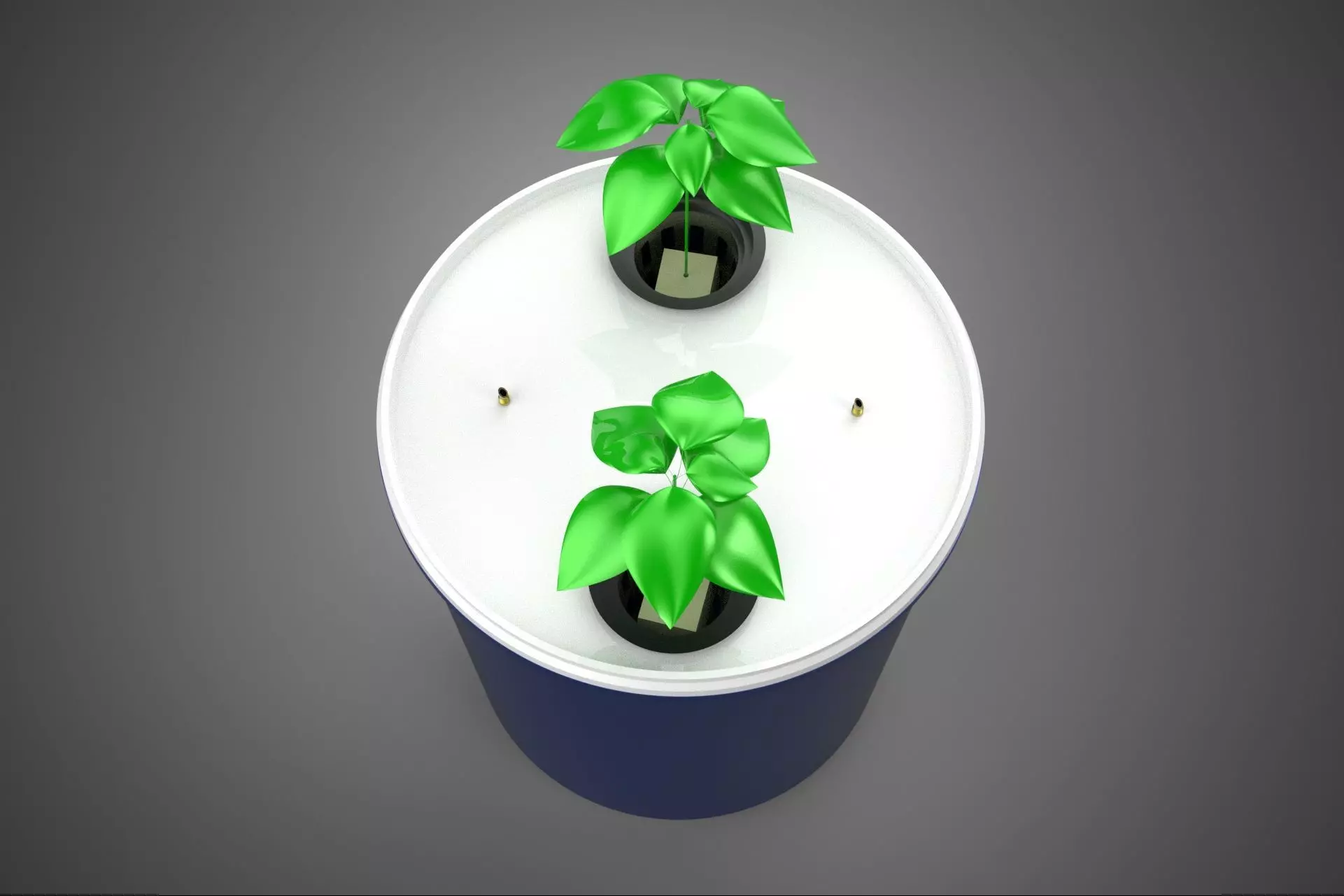
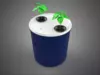
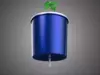
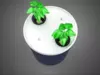
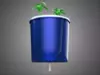
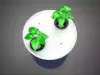
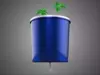
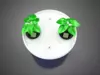
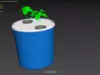
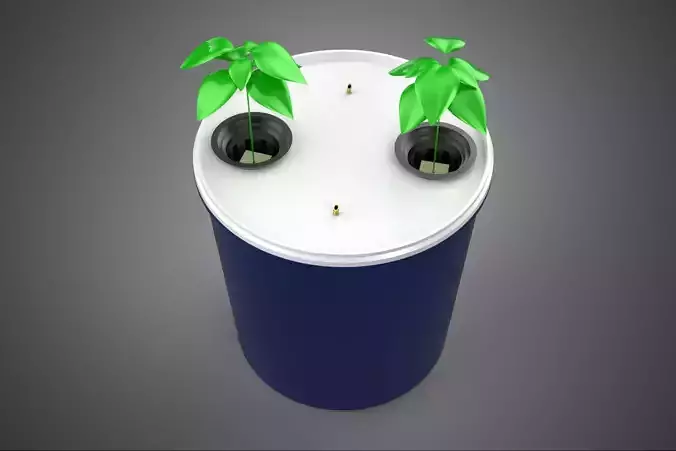
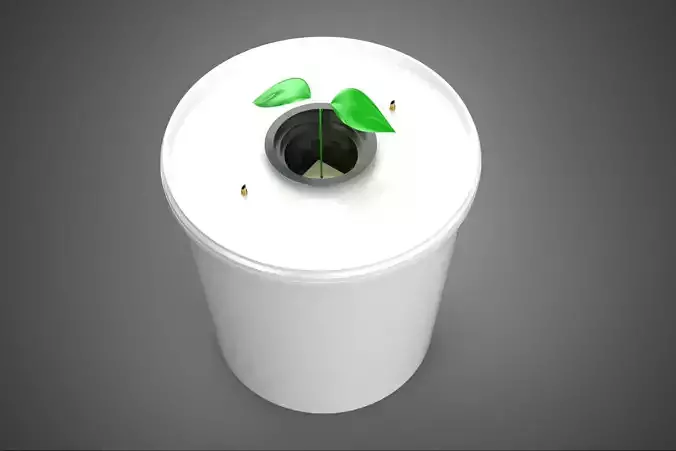
The Bato Pot or Dutch Bucket System (DBS) is an advanced, recirculating hydroponic method highly valued for its efficiency and scalability in controlled environment agriculture (CEA), particularly within commercial greenhouse operations. While often associated with professional cultivation, the inherent simplicity of its modular design facilitates effective Do-It-Yourself (DIY) implementation for hobbyists.
Nomenclature and Definition
The system is most frequently referred to as the Dutch Bucket System due to its historical prevalence in the Netherlands, a global leader in hydroponic technology. The term Bato Pot is often used synonymously, derived from a prominent manufacturer of the specialized plastic container designed for this method.
The DBS is classified structurally as a hybrid system, combining elements of drip irrigation with a closed-loop recirculation mechanism. Unlike non-recirculating drip systems, the DBS captures all effluent—the drainage solution—and directs it back to a central reservoir for monitoring, replenishment, and reuse. This capability dramatically reduces water and nutrient waste compared to open-system hydroponics.
Operational Mechanism
The system operates on the principle of intermittent feeding. Plants are rooted in an inert, porous growing medium (such as perlite, coco coir, or rockwool), contained within individual Bato Pots.
- Nutrient Delivery: A submersible pump draws nutrient solution from the central reservoir and delivers it through a main supply line. Smaller distribution lines, often terminating in adjustable drip emitters, feed a pulsed dose of solution directly into the top of each pot. The frequency and duration of these pulses are governed by a timed controller, tailored to the specific crop, stage of growth, and environmental factors (e.g., light intensity, humidity).
- Drainage and Recirculation: The solution percolates through the growing medium, providing water, nutrients, and crucial oxygen to the roots. Excess solution is not held captive; the Bato Pot features a specialized siphon or elbow drain fitting placed several centimeters above the base of the container. This design maintains a shallow reservoir (a temporary water table) at the bottom of the pot, preventing the media from fully drying out while ensuring adequate air exposure for the root zone. The excess solution drains via a common return line back to the reservoir, completing the closed loop.
### System Components
A functional Bato Pot setup requires several integrated components:
- Bato Pots (Buckets): Individual containers, typically 10 to 20 liters in volume, constructed from opaque, food-grade plastic to prevent light penetration and subsequent algae growth. They feature dedicated ports for the incoming drip line and the exit drain elbow.
- Growing Medium: Inert substrates (e.g., perlite, volcanic rock, mineral wool) are utilized for anchorage and moisture retention.
- Reservoir: A large-capacity tank used to hold and mix the nutrient solution, equipped with necessary monitoring instruments (pH and Electrical Conductivity meters).
- Pump and Plumbing: A submersible pump for delivery, supply lines, distribution tubing, and drip emitters.
- Return Line: The common gravity drain line, typically sloped to ensure efficient return of the effluent solution.
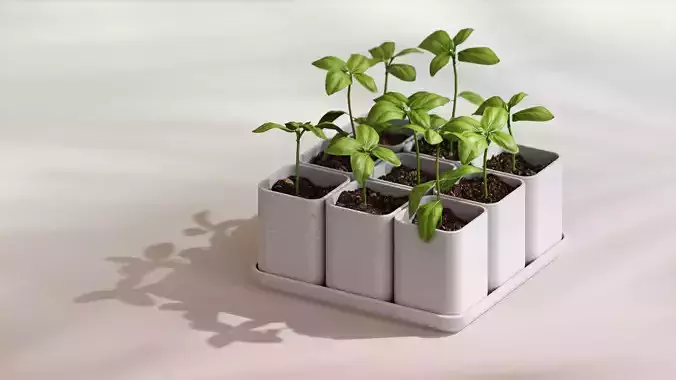
- Plant Cup/Net Pot: Small plastic mesh containers often used to start seedlings or clones, which are then transferred and nested into the larger Bato Pot filled with bulk medium.
### Applications and Advantages
The Bato Pot system excels when cultivating large, indeterminate, or vining crops that require substantial root mass and structural support, such as tomatoes (Solanum lycopersicum), cucumbers (Cucumis sativus), peppers (Capsicum annuum), and certain cucurbits.
Key Advantages:
- Disease Isolation: Since each plant occupies an individual container, the risk of rapid disease spread through the entire system is minimized, unlike shared channel systems (e.g., NFT).
- Substrate Flexibility: Allows for the use of various low-cost, inorganic, and reusable media.
- Oxygenation: Excellent air-to-water ratio due to rapid drainage, mitigating the risk of root suffocation (anoxia).
- Scalability: Highly modular design allows for easy expansion or reconfiguration in large greenhouse settings.
KEYWORDS: BATO POT, DUTCH BUCKET, HYDROPONICS, RECIRCULATION, DRIP IRRIGATION, GREENHOUSE, CEA, CLOSED-LOOP, TOMATOES, CUCUMBERS, GROW MEDIA, PERLITE, COCO COIR, PLANT CUP, NET POT, DRAINAGE, RESERVOIR, EFFLUENT, PH, EC MONITORING, ROOT ZONE, DIY HYDROPONICS, COMMERCIAL AGRICULTURE, MODULAR SYSTEM, INTERMITTENT FEEDING, SUCESSFUL CROPS, VINE CROPS, SUBSTRATE, PLASTIC CONTAINER, WIKIPEDIA ENTRY.