High-quality 3D assets at affordable prices — trusted by designers, engineers, and creators worldwide. Made with care to be versatile, accessible, and ready for your pipeline.
Included File Formats
This model is provided in 14 widely supported formats, ensuring maximum compatibility:
• - FBX (.fbx) – Standard format for most 3D software and pipelines
• - OBJ + MTL (.obj, .mtl) – Wavefront format, widely used and compatible
• - STL (.stl) – Exported mesh geometry; may be suitable for 3D printing with adjustments
• - STEP (.step, .stp) – CAD format using NURBS surfaces
• - IGES (.iges, .igs) – Common format for CAD/CAM and engineering workflows (NURBS)
• - SAT (.sat) – ACIS solid model format (NURBS)
• - DAE (.dae) – Collada format for 3D applications and animations
• - glTF (.glb) – Modern, lightweight format for web, AR, and real-time engines
• - 3DS (.3ds) – Legacy format with broad software support
• - 3ds Max (.max) – Provided for 3ds Max users
• - Blender (.blend) – Provided for Blender users
• - SketchUp (.skp) – Compatible with all SketchUp versions
• - AutoCAD (.dwg) – Suitable for technical and architectural workflows
• - Rhino (.3dm) – Provided for Rhino users
Model Info
• - All files are checked and tested for integrity and correct content
• - Geometry uses real-world scale; model resolution varies depending on the product (high or low poly)
• • - Scene setup and mesh structure may vary depending on model complexity
• - Rendered using Luxion KeyShot
• - Affordable price with professional detailing
Buy with confidence. Quality and compatibility guaranteed.
If you have any questions about the file formats, feel free to send us a message — we're happy to assist you!
Sincerely,
SURF3D
Trusted source for professional and affordable 3D models.
More Information About 3D Model :
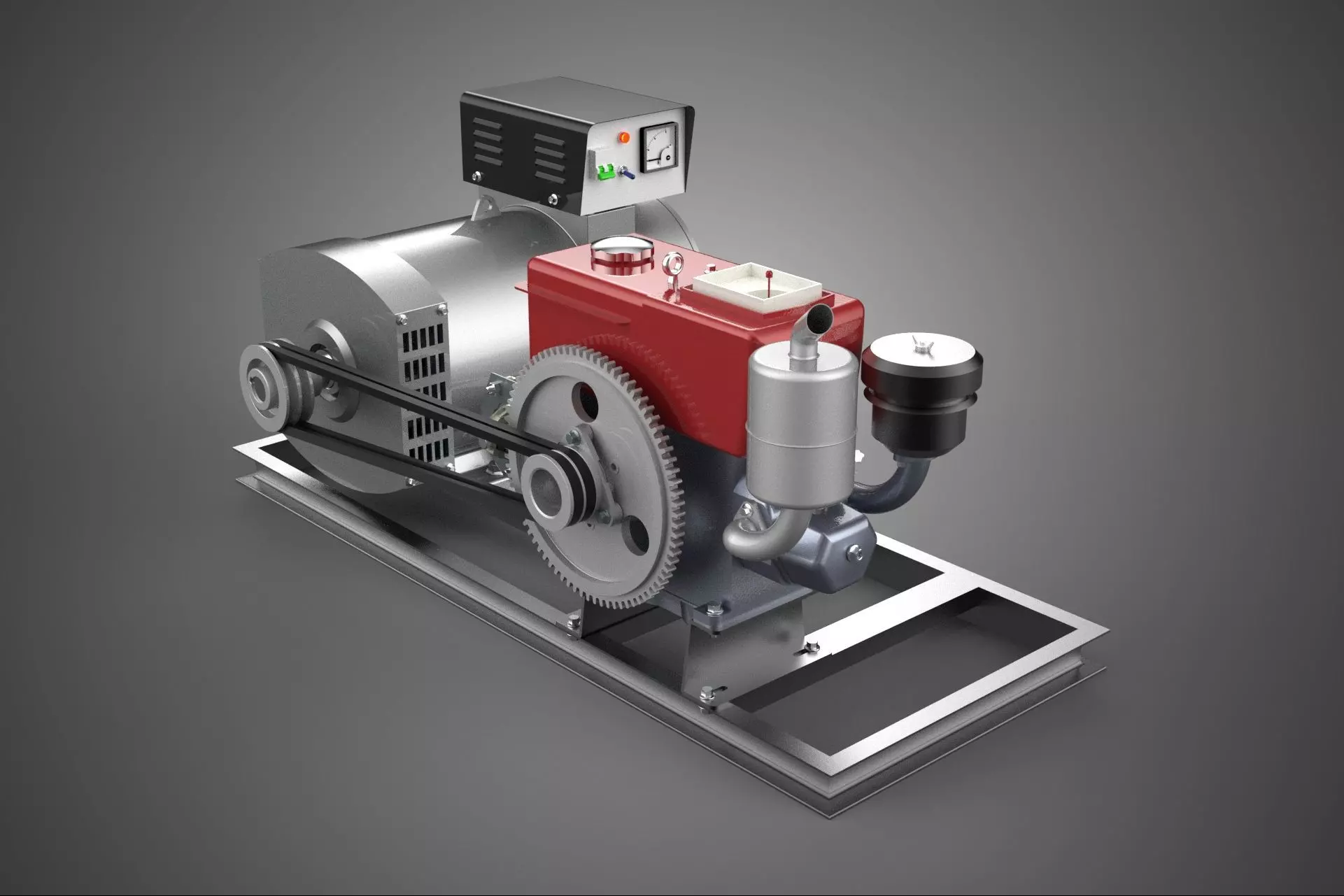
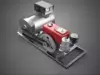
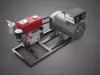
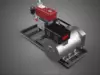
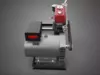
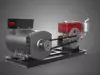
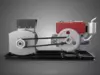
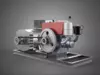
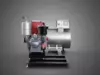
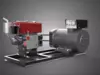
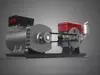
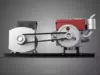
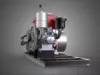
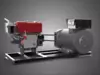
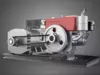
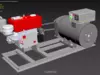
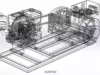
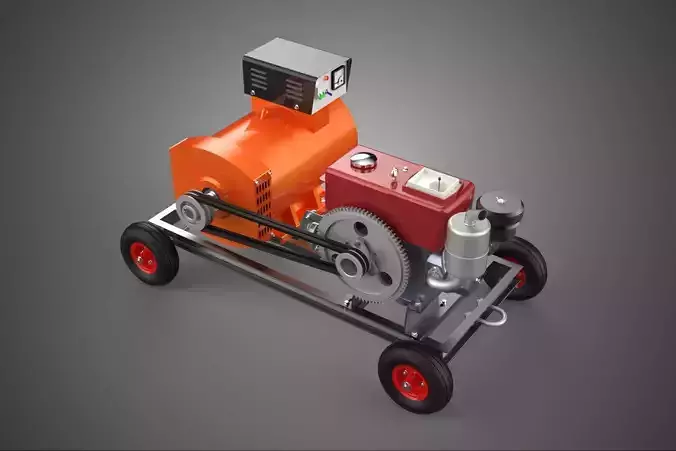
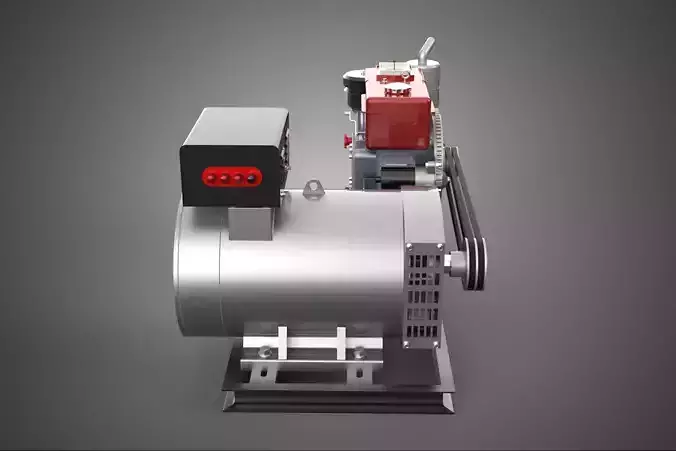
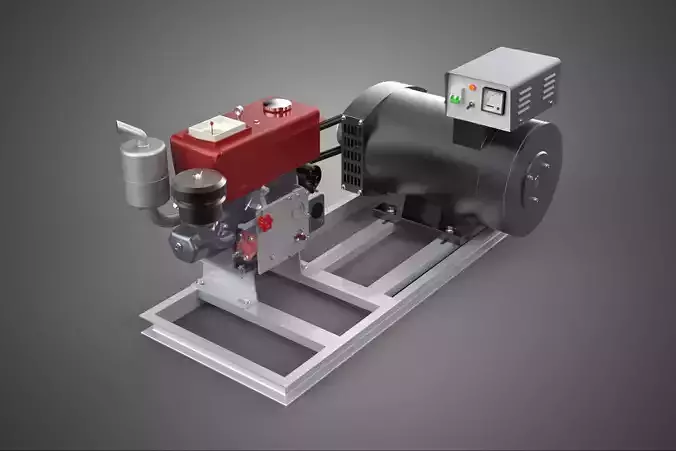
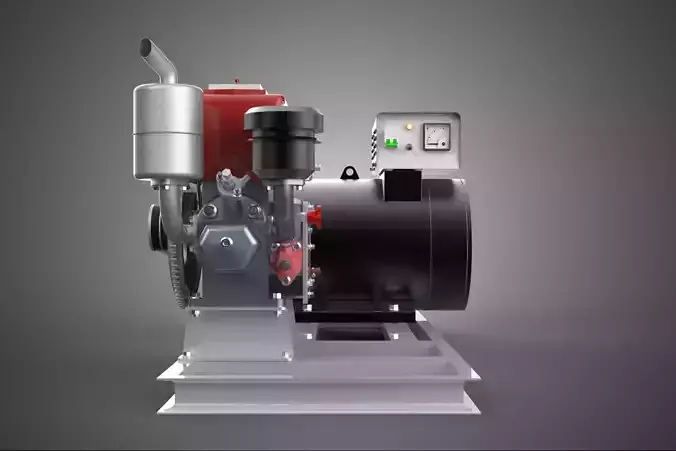
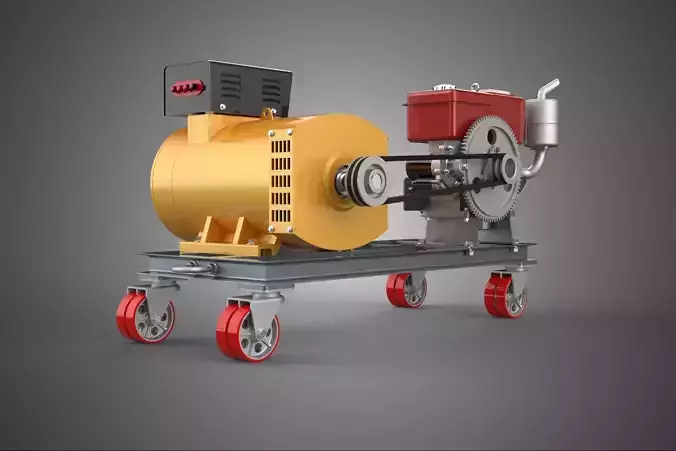
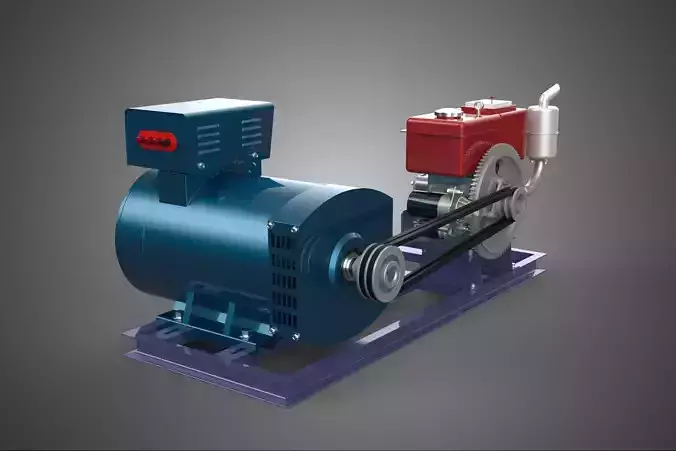
STANDARD DIESEL ELECTRICAL GENERATOR SETS BACKUP POWER GENSET KW
A standard diesel electrical generator set (genset) configured for backup power applications is an integrated electromechanical system designed to convert the chemical energy stored in diesel fuel into usable electrical energy. These units, frequently referred to as standby power systems (SPS) or emergency power systems (EPS), serve a critical function in maintaining electrical continuity for essential loads during primary utility grid failures, brownouts, or blackouts. Their deployment is obligatory in critical infrastructure environments, including healthcare facilities, data centers, financial institutions, telecommunications hubs, and large-scale industrial manufacturing sites, where power disruption poses unacceptable risks to safety, operational continuity, and economic stability.
Nomenclature and Classification
The designation genset KW refers to the system’s ability to produce active power, measured in Kilowatts (kW). While the generator head (alternator) is inherently rated in kilovolt-amperes (kVA, or apparent power), the kW rating signifies the tangible electrical power available for mechanical work or thermal processes. This relationship is defined by the power factor (PF), typically assumed to be 0.8 for standard industrial applications (kW = kVA × PF).
Per international standards, primarily ISO 8528-1, backup power gensets are classified under the Emergency Standby Power (ESP) rating. This classification defines the maximum power output a genset can deliver for the duration of a utility power outage, provided the average load factor and operational hours over defined intervals do not exceed specified limits. This differentiates them from Prime Power (PRP) units, which are rated for continuous, non-stop operation.
Operational Mechanism and System Components
A standard diesel backup genset is an integrated assembly comprising six essential subsystems:
- Prime Mover (Diesel Engine): The internal combustion engine provides the mechanical rotational energy. Diesel engines are favored in backup applications due to their high torque density, reliable starting capability, fuel efficiency under load, and longevity.
- Alternator (Generator Head): A synchronous generator that converts mechanical energy into electrical energy. The alternator must be matched to the engine's speed and torque profile to maintain stable voltage and frequency output (typically 50 or 60 Hz).
- Control and Monitoring System: This subsystem manages all operational parameters, including automated starting, monitoring engine vital signs (oil pressure, temperature), regulating voltage via an Automatic Voltage Regulator (AVR), and ensuring safety shutdowns in case of faults. Modern controllers often include remote monitoring capabilities.
- Automatic Transfer Switch (ATS): While often external to the genset skid, the ATS is integral to the backup power system. It continuously monitors the utility source and, upon detecting a failure, automatically signals the genset to start, disconnects the load from the failed utility, and connects it to the generator output.
- Fuel and Cooling Systems: The fuel system includes the day tank (base-mounted or external) and associated filtration. The cooling system (typically radiator-based or closed-loop liquid cooling) manages the significant heat generated by the prime mover to prevent thermal stress and ensure compliance with operational temperature limits.
- Base Frame and Enclosure: The heavy-duty steel base frame supports all components and often incorporates the fuel tank and vibration isolation mounts. Enclosures (weatherproof or sound-attenuated) protect the unit from environmental factors and mitigate noise pollution, a critical consideration in urban deployment.
Application and Reliability Standards
Reliability is the paramount design consideration for backup gensets. Operational readiness is ensured through rigorous maintenance protocols, often including required periodic testing under load (load banking) to prevent wet stacking, a condition where unburned fuel and soot accumulate during prolonged no-load or low-load operation.
The deployment and performance of backup diesel gensets are governed by strict industry standards to ensure life safety and functional continuity. Key regulatory frameworks include NFPA 110 (Standard for Emergency and Standby Power Systems), which mandates specific readiness levels and operational testing schedules, and various environmental protection agency regulations concerning emissions and fuel storage. Standardized units guarantee interoperability and adherence to specified performance metrics, ensuring they can assume the full critical load instantaneously upon grid failure.
***
KEYWORDS: Diesel generator, Backup power, Standby power system, Emergency power, Genset, Kilowatts, kW, Automatic Transfer Switch, ATS, ISO 8528, NFPA 110, Load bank, Critical infrastructure, Synchronous alternator, Prime mover, Power continuity, Voltage regulation, Data center, Commercial power, Utility grid, Engine safety, Fuel system, Wet stacking, Control panel, ESP rating, Power factor, kVA, Reliability, Industrial generator, EPS.