Perfect for use in games and simulation projects.
The Firebird is a medium-altitude, long-endurance (MALE) optionally piloted aerial vehicle (OPV) designed for flexible, multi-intelligence (multi-INT) ISR missions. Developed outside of its parent company's traditional defense programs, originally by a specialist composite aircraft company and later brought under a larger defense contractor's portfolio, the Firebird offers a unique hybrid approach: it can be flown with a pilot onboard or remotely as an unmanned system. This dual-mode operation is rare in the ISR UAV domain and allows users to adapt quickly to mission requirements, airspace constraints, and operational timelines. The result is an aircraft that does not force its operator to choose between a crewed surveillance plane and a drone, because it can be either one, depending on the day's task.
The idea behind the design is simple but powerful. Crewed aircraft can fly through civil airspace, carry out ferry flights between bases, and operate in places where regulators do not yet allow uncrewed aircraft. Uncrewed aircraft, on the other hand, can stay in the air far longer than any human crew could, and they can fly into dangerous areas without risking lives. By combining both modes in a single airframe, the Firebird lets a customer fly a pilot to a remote base, switch to uncrewed mode for a long surveillance mission, and then fly home with a pilot on board. That flexibility also helps with training, testing, and certification, since the same aircraft can be used to build trust in autonomy step by step.
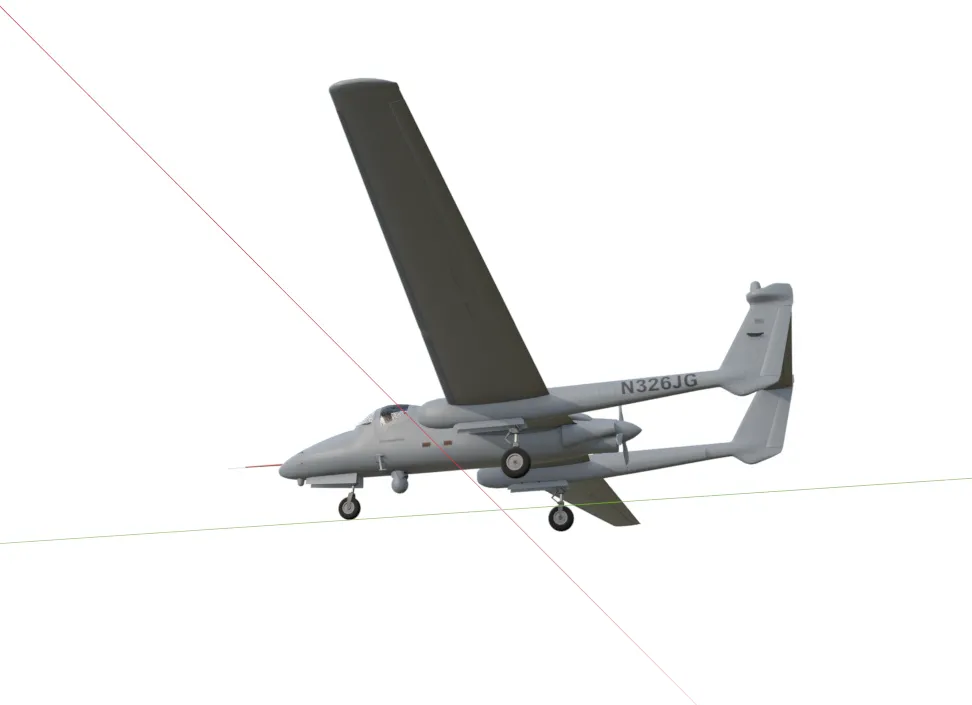
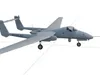
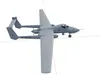
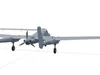
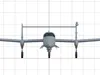
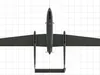
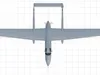
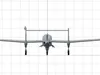
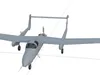
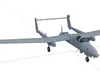
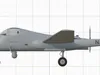
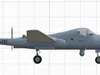
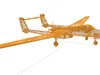
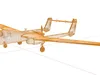
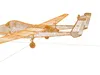
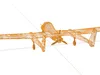
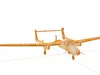
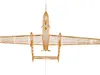
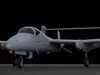
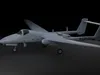
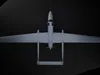
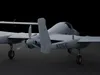
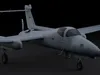
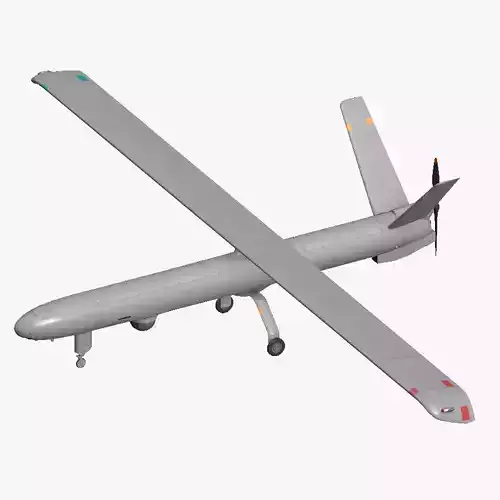
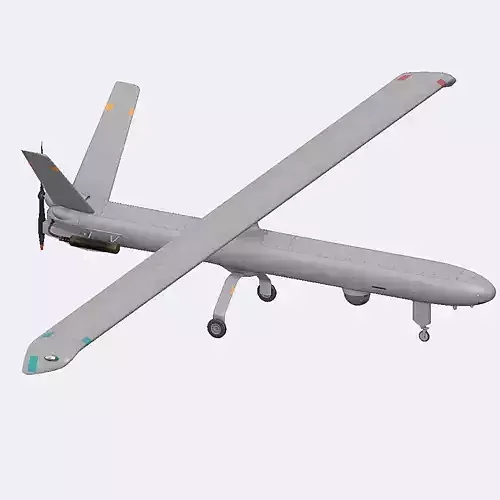
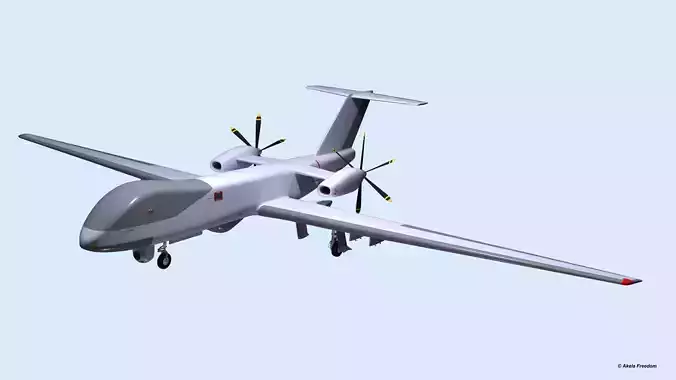
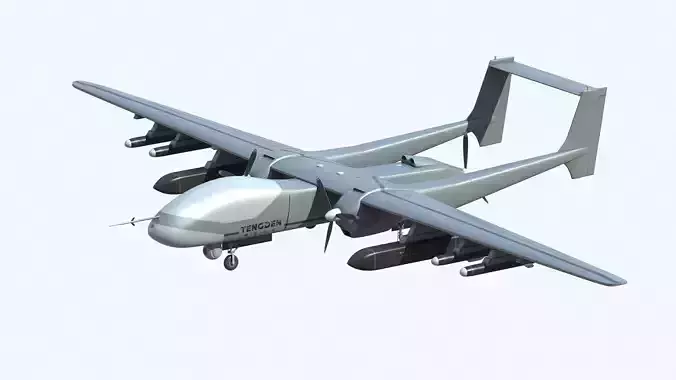
The Firebird features a high-aspect-ratio wing and twin-boom tail design with a pusher propeller at the rear, resembling a cross between a glider and an advanced reconnaissance aircraft. The long, slender wing gives excellent efficiency in cruise and is a major reason for the aircraft's long endurance, while the twin booms leave the rear of the fuselage free for the propeller and keep the nose clear for sensors and, when needed, a cockpit. A pusher layout also has a practical advantage for surveillance work, because it keeps the engine and propeller behind the sensors, which gives them a cleaner field of view and reduces vibration and noise at the front of the aircraft. The overall shape is clean, light, and unmistakably purpose-built for long hours on station.
Its modular payload system supports rapid field reconfiguration and can carry up to five different sensor systems simultaneously, including electro-optical/infrared cameras (EO/IR), synthetic aperture radar (SAR), signals intelligence (SIGINT), and communications relay equipment. Payload integration reportedly takes less than a day, enabling multi-domain intelligence collection without returning to depot-level maintenance. In practice, this means that the same airframe can watch a coastline in the morning with a radar, listen for radio emissions in the afternoon, and act as a communications relay in the evening. Having several sensors working at once also lets operators cross-check what they see: a radar contact can be confirmed with a camera, and a radio signal can be matched to a visual target, which makes the intelligence picture far more reliable than any single sensor could provide.
The aircraft has a wingspan of approximately 26 meters (85 feet) and an endurance of over 30 hours in unmanned mode, flying at altitudes up to 30,000 feet. It can cover ranges beyond 1,200 nautical miles, making it suitable for wide-area surveillance and persistent ISR over land and maritime zones. It is powered by a single turboprop engine and is capable of short takeoffs and landings from austere airfields, giving it additional operational flexibility. Being able to operate from short, rough, or remote runways means that the aircraft does not need large, expensive bases, and it can be deployed close to the area of interest, which saves transit time and increases the time spent on station. Long endurance is the key to persistent surveillance, because a single aircraft can watch an area for a day and a half, and a small fleet can provide continuous coverage around the clock.
First publicly unveiled in 2011, the Firebird is marketed to military, homeland security, and international customers who require real-time ISR without relying on complex satellite or legacy airframes. Typical missions include border and coastal patrol, maritime domain awareness, disaster response, counter-smuggling and counter-piracy operations, and monitoring of remote infrastructure. Its civilian-certifiable design and pilot-optional architecture also make it attractive for intelligence collection in contested but non-combat zones or for allied nations with evolving ISR requirements. Customers with limited budgets can also benefit, because a single multi-role aircraft can replace several single-purpose platforms.
Though not as widely recognized as the MQ-9 Reaper or Global Hawk, the Firebird's distinctive role as a versatile, multi-payload ISR platform has earned it attention for special mission roles, especially where manned-unmanned flexibility is a strategic advantage. It sits in a niche between small tactical drones and large strategic ones, offering more payload and endurance than the first and a lower cost and greater flexibility than the second.
For game developers and simulation designers, this model is a good fit for modern and near-future military scenarios, surveillance and reconnaissance missions, border and maritime patrol games, flight simulators, strategy and command games, training visualisations, and spy-thriller or sci-fi settings. It also works well as a player-flown reconnaissance aircraft, an AI-controlled patrol drone, a target to hunt or protect in air-defence scenarios, or a background aircraft on airfields and forward bases. Designers can use it for mechanics based on sensor management, long-endurance missions, switching between piloted and remote control, and gathering intelligence from several sources at once. The distinctive twin-boom, pusher-propeller silhouette also makes it instantly recognisable in cinematic scenes and promotional images.
It is worth keeping some perspective. Published figures for the Firebird come mainly from marketing material, and details such as endurance, range, and payload may vary between sources and configurations. The aircraft has been demonstrated and marketed, but it has not become a widely fielded production system, and its status and operators may change over time. This model is a stylised representation, and any specifications should be treated as indicative.
Formats include: OBJ, FBX. Feel free to check out the other models, just click on the user name to see the complete portfolio.