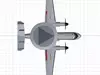
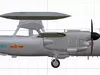
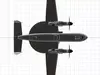
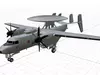
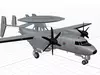
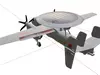
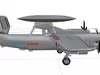
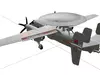
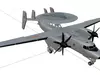
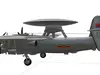
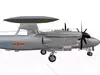
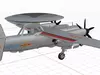
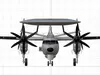
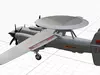
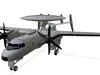
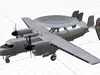
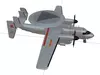
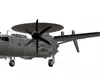
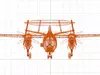
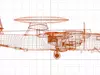
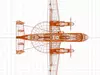
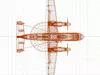
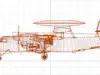
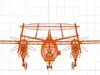
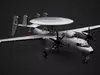
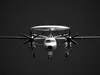
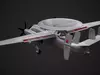
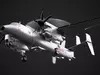
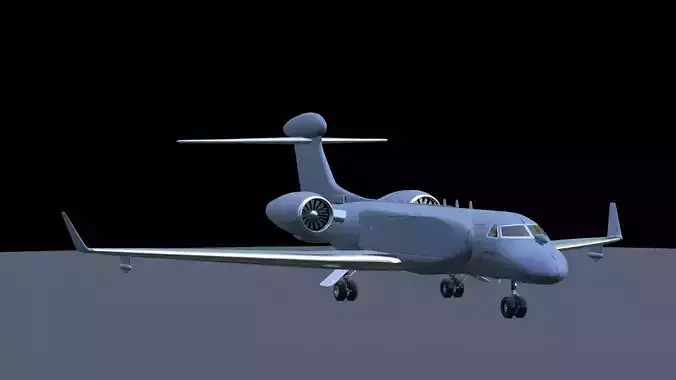
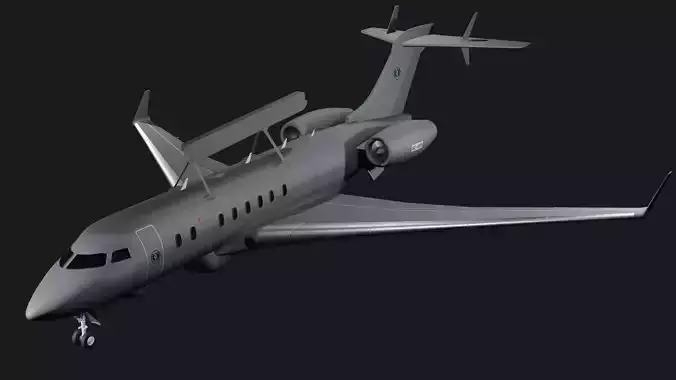
Perfect for use in games and simulation projects.
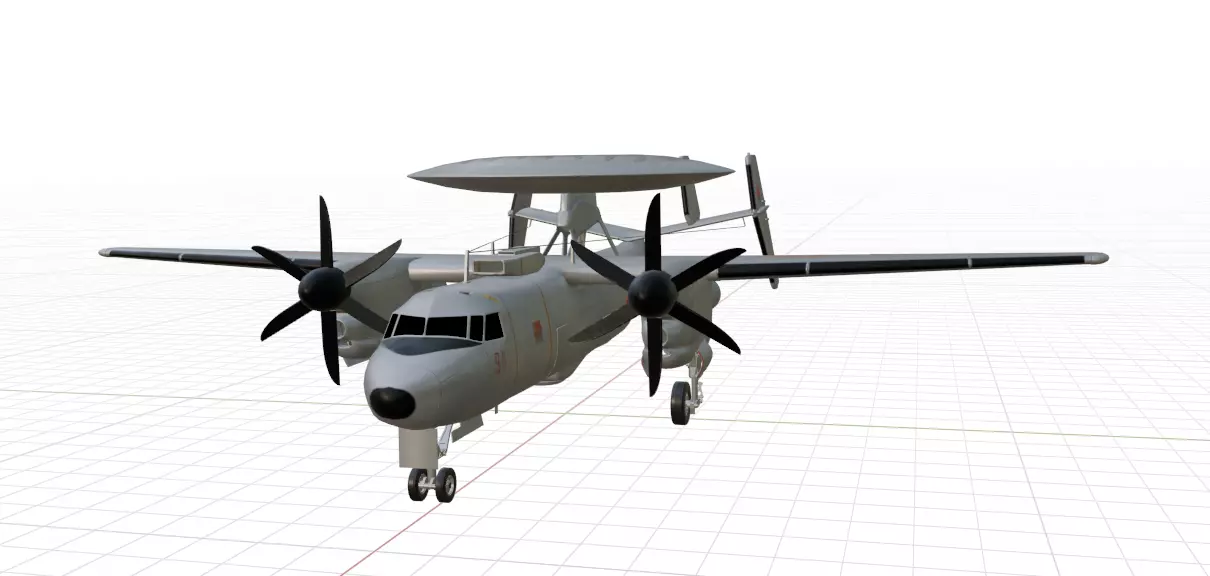
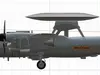
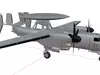
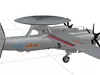
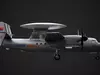
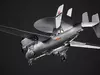
The Xi'an KJ-600 is a domestically developed Chinese twin-turboprop aircraft that is strategically indispensable for the People's Liberation Army Navy (PLAN), specifically designed to perform the critical function of Airborne Early Warning and Control (AEW&C) from its most advanced aircraft carriers, notably the Type 003 Fujian. The aircraft's operational role is fundamentally a force multiplier, transforming the carrier strike group's capabilities by overcoming the inherent physical limitation of ship-based radar: the Earth's curvature. By operating at high altitude, the KJ-600's primary sensor can peer hundreds of kilometers beyond the ship's horizon, significantly extending the fleet's defensive and offensive reach. This extended detection range is crucial for identifying low-flying sea-skimming cruise missiles and other inbound threats with sufficient warning time for the fleet to react.
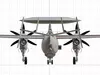
Aesthetically and functionally, the KJ-600 is remarkably similar to the American E-2D Hawkeye, adhering to the proven design template for carrier-based AEW&C platforms. Its most distinctive feature is the enormous, rotating dorsal radome, which houses its sophisticated radar system, widely believed to be an Active Electronically Scanned Array (AESA). AESA technology provides superior performance over older mechanical radars, offering simultaneous multi-mode operation, improved resistance to electronic countermeasures, and crucially, enhanced capability for detecting and tracking low-observable (stealth) aircraft, such as the U.S. F-35, at operationally relevant ranges. To maintain the directional stability challenged by the large rotodome, the aircraft features a signature quad-fin tailplane. The airframe is purpose-built for carrier operations, including rearward-folding outer wing sections for efficient storage in the carrier's congested hangar and on the flight deck, as well as reinforced landing gear, a catapult launch bar, and a powerful arresting hook for launching and recovery.
The aircraft is powered by two turboprop engines, likely the indigenous WJ-6C, chosen for their superior fuel efficiency and resultant long loiter time, which maximizes the duration the aircraft can stay on station. This endurance is critical for maintaining persistent airborne surveillance. Strategically, the KJ-600's successful launch and recovery trials from the Type 003 Fujian using the Electromagnetic Aircraft Launch System (EMALS) represent a major technological milestone. This EMALS capability is the linchpin, enabling the heavy fixed-wing KJ-600 to take off fully fueled and mission-ready, a capability that was impossible on China's earlier ski-jump carriers. Once airborne, the KJ-600 operates as the eyes and brain of the carrier strike group. Its crew of operators is responsible for processing the complex, merged sensor data, performing battle management, and serving as the primary Command and Control (C2) node, effectively vectoring and guiding the carrier's strike fighters—the J-15T and the new J-35 stealth jet—to engage targets or conduct coordinated offensive missions far from the carrier, thereby demonstrating China's leap to full-spectrum, network-centric naval aviation capability.
Formats include: OBJ, FBX. Feel free to check out the other models, just click on the user name to see the complete portfolio.