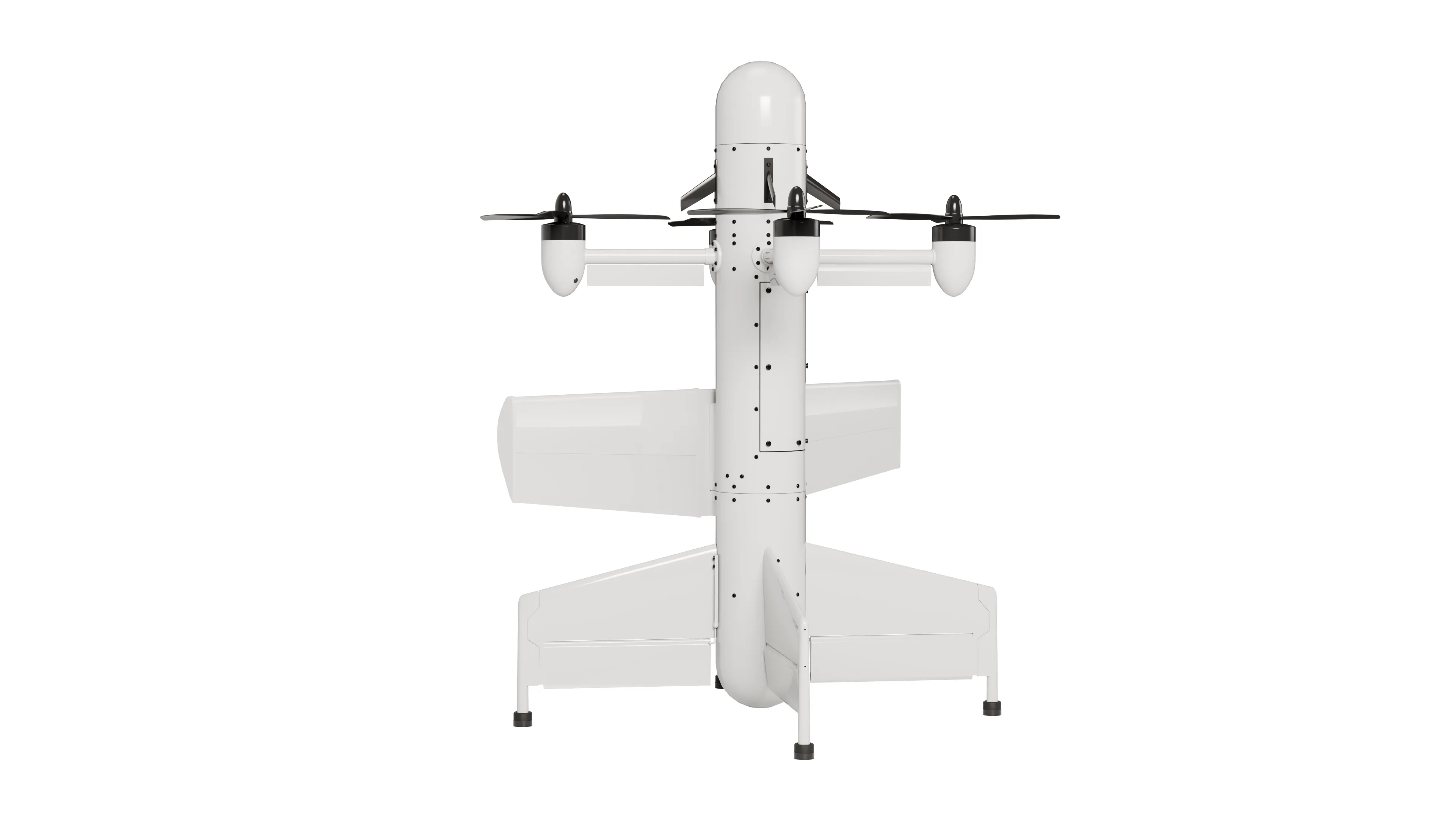
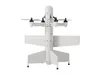
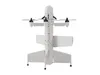
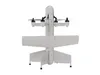
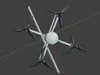
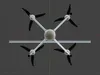
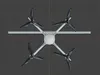
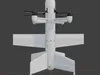
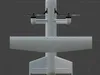
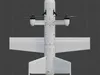
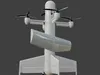
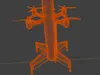
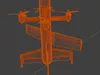
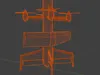
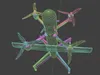
Perfect for use in games and simulation projects.
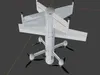
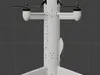
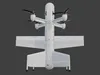
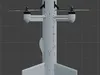
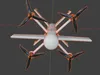
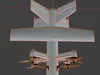
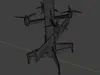
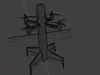
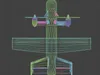
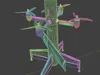
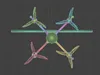
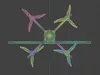
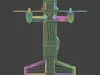
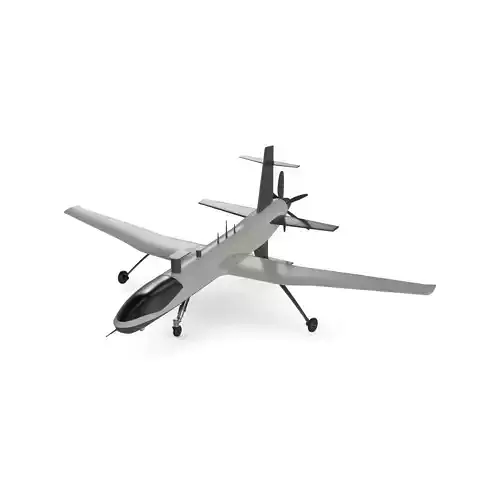
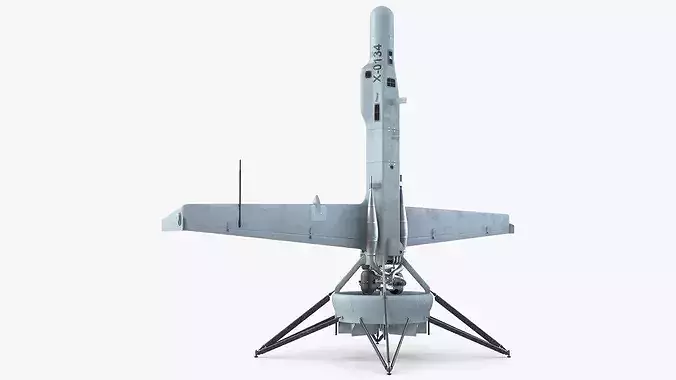
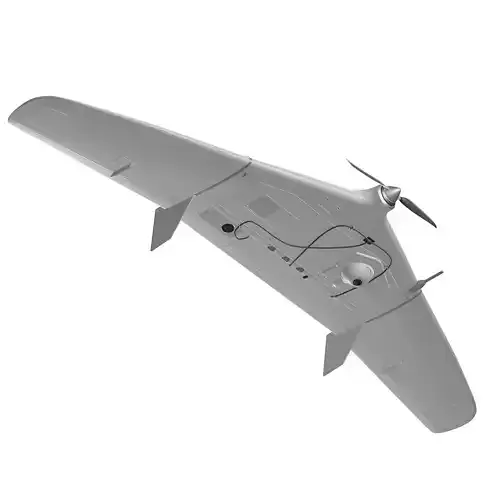
The MORFIUS X-Rotor, nicknamed The Drone Zapper,”is described as a counter-unmanned aerial system (C-UAS) intended to protect military forces, strategic installations and other sensitive sites against hostile drones. Its central purpose is to provide a means of countering unmanned aerial threats without depending exclusively on conventional missiles, guns or other projectile-based weapons. The system's concept centres on using directed electromagnetic energy to disable or disrupt the electronic systems that enable hostile drones to operate, potentially offering a means of engaging multiple threats while reducing the need to expend a separate physical interceptor against every target. The MORFIUS X-Rotor builds on the earlier MORFIUS programme, which has been under development and testing since 2017. The X-Rotor variant was unveiled publicly at the Farnborough International Airshow in England on 20 July 2026. It represents an evolution of the original MORFIUS concept, combining an airborne platform with a high-power microwave payload intended to counter individual unmanned aircraft and coordinated drone swarms. The system is reportedly designed to neutralise more than 50 hostile drones during a single flight, although this figure is a stated capability rather than an independently verified operational result.
The system's defining technology is high-power microwave HPM energy. Unlike a conventional missile, which destroys a target through physical impact or an explosive warhead, an HPM system directs powerful electromagnetic energy towards the target to interfere with or damage vulnerable electronic components. Depending on the drone's design, this may disrupt its flight-control electronics, onboard computing or other essential electronic systems, rendering it unable to continue its mission. Because electromagnetic energy can affect multiple suitably exposed targets within an engagement area, the technology offers the potential to counter several drones in rapid succession or simultaneously, rather than requiring one expendable interceptor for each aircraft. Actual effectiveness depends on the target's electronic protection, distance, exposure and other operating conditions. The airborne configuration is intended to extend defensive coverage beyond the immediate vicinity of a fixed ground installation. By sending an interceptor towards a threat, military operators can potentially engage hostile drones farther from the asset being protected. The system is also designed to integrate with existing sensor and command-and-control networks, reducing the need for a dedicated detection architecture. This could allow MORFIUS X-Rotor to operate as part of a broader air-defence network in which separate systems detect, identify and track targets before coordinating an appropriate response.
Another important feature is reusability. The MORFIUS concept is intended to allow the interceptor to be recovered and returned to service, potentially reducing the cost and logistical burden associated with expendable interceptors. This is particularly relevant when defending against drone swarms, where an attacker may deploy numerous relatively inexpensive aircraft to overwhelm conventional air defences. If an interceptor can defeat multiple targets and subsequently be recovered, its cost per engagement could be lower than that of a system requiring a separate missile for each target. Actual operating costs would also depend on recovery rates, maintenance, payload servicing, flight hours and the availability of replacement components. MORFIUS X-Rotor is intended primarily for counter-unmanned aerial system and counter-swarm missions, supporting the protection of military formations, operational bases and other strategically important assets. Its potential value lies in providing an additional layer of defence against reconnaissance drones, loitering unmanned aircraft and coordinated groups of hostile UAVs. It would not replace every existing air-defence weapon, because high-power microwave systems have different engagement characteristics and limitations from guns, missiles, electronic jamming and high-energy lasers. Instead, the concept is to give military commanders another option within a layered defensive architecture, selecting an appropriate system according to the type, number and behaviour of incoming threats.
As of October 2026, the programme has been associated with prototype development and further planned flight testing, building on earlier tests of the broader MORFIUS system. Publicly available information does not establish a complete set of independently verified specifications for the X-Rotor variant, including its dimensions, maximum speed, endurance, engagement range, microwave output, operating altitude or confirmed deployment status. Its reported ability to neutralise more than 50 drones in one flight should therefore be understood as a stated performance claim, not proof that the system has already achieved that result in routine combat operations. Overall, MORFIUS X-Rotor illustrates the growing shift towards reusable, airborne directed-energy systems designed to address the increasing threat posed by inexpensive and increasingly sophisticated drone swarms. Its principal innovation is the combination of mobility, high-power microwave technology and a claimed multi-target engagement capability. If its advertised performance can be demonstrated reliably under operational conditions, it could provide armed forces with a more scalable way to counter large numbers of hostile drones while reducing dependence on costly, single-use interceptors.
Formats include: OBJ, FBX. Feel free to check out the other models, just click on the user name to see the complete portfolio.