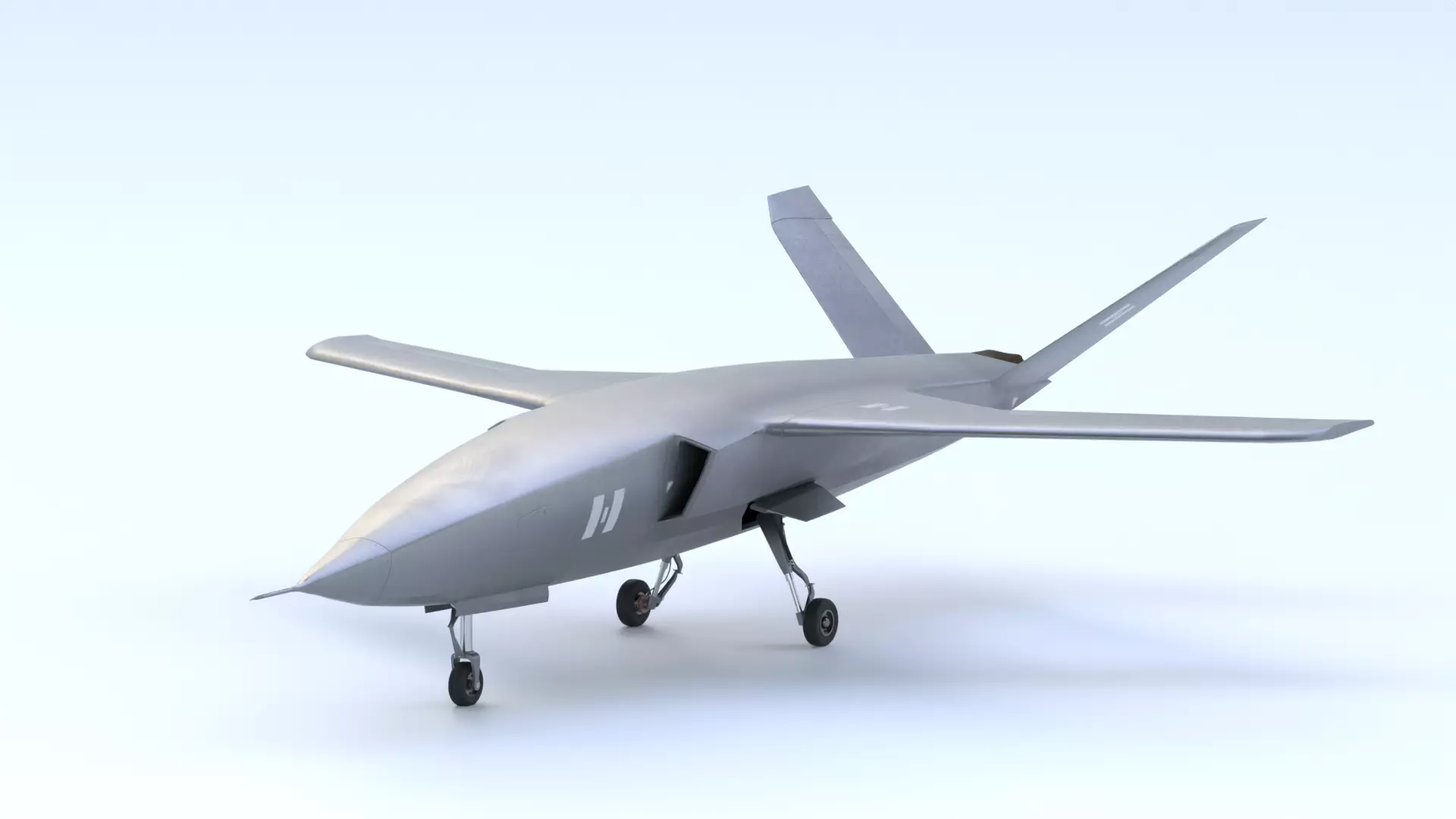
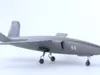
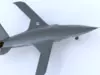
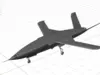
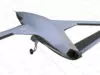
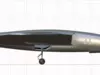
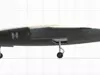
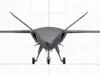
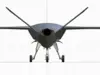
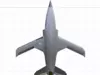
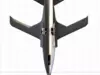
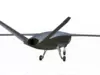
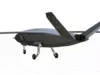
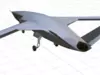
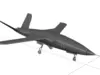
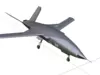
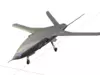
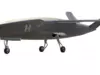
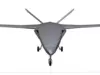
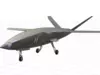
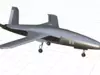
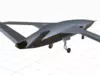
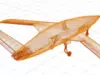
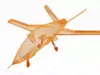
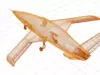
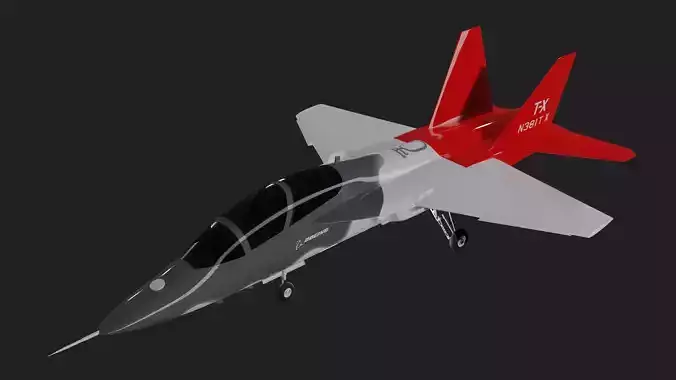
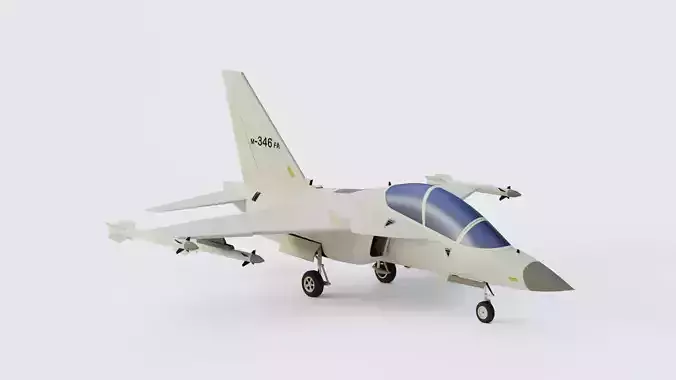
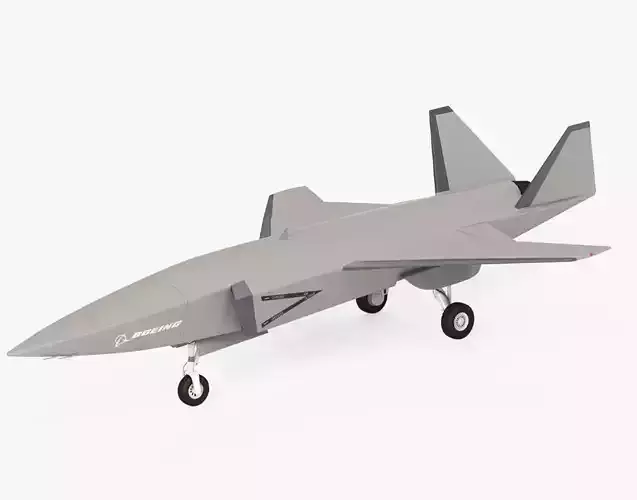
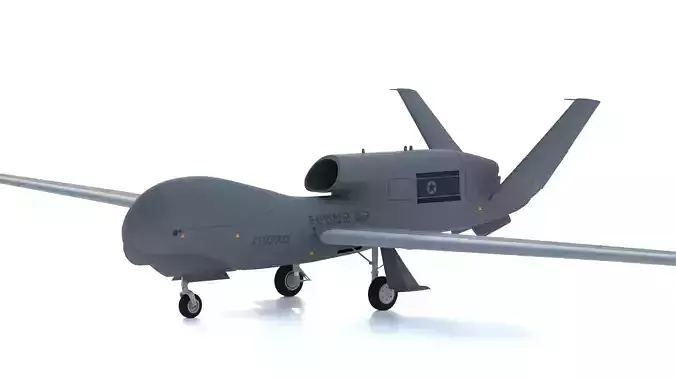
"Perfect for use in games and simulation projects.
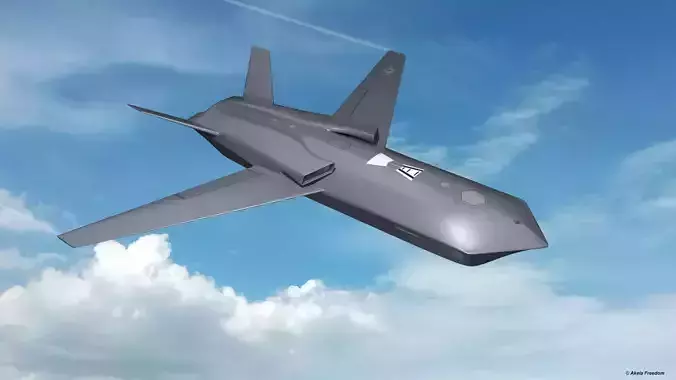
The CA‑1 Europa is an autonomous, uncrewed combat aerial vehicle developed by German defence‑tech firm Helsing with Grob Aircraft, positioned as a medium‑weight loyal‑wingman and swarm‑capable UCAV that bridges reconnaissance, strike and electronic‑warfare roles; sized in the 3–5 tonne class (roughly a 4,000 kg MTOW) with an approximate length of 11 m and a wingspan near 10 m, it uses a single turbofan tuned for high‑subsonic cruise and features stealth‑influenced shaping (cranked‑kite wings, side inlets, canted tails) plus an internal weapons bay to minimise signature. The design emphasises modularity and an open mission‑stack so sensors, EW suites and effectors can be swapped or upgraded quickly: baseline payloads shown or discussed publicly include an AESA‑class radar, electro‑optical/infra‑red sensor turret, signals‑intelligence packages, internal stores for small precision munitions or standoff missiles, and podded options for electronic attack or additional ISR. Autonomy is central—Helsing’s “Centaur” agent provides tactical flight and engagement decision support while companion systems (branded as “Cirra” for EW and “Symphony” for mission orchestration) coordinate swarms and integrate with manned platforms—yet the concept retains human‑in‑the‑loop/overwatch for weapons release and rules‑of‑engagement compliance in coalition operations. Operationally it is intended to work alone for long‑range strike or ISR, as a loyal wingman augmenting manned fighters, and in massed, networked formations to saturate defences or perform suppression of enemy air defences; the logistics concept prioritises dispersed basing and ease of maintenance so units can be produced in quantity and operated from austere sites.
Helsing frames production around European supply‑chain sovereignty and cost‑efficiency—stating the unit will be a fraction of a modern manned fighter price—so doctrine shifts toward “intelligent mass”: many interoperable, upgradable assets rather than a few bespoke platforms. Publicly disclosed timelines put the full‑size mock‑up in late September 2025, a production‑capable first flight target around 2027 and operational availability roughly four years after that, but concrete figures for range, endurance, unit cost, engines and weapons integration remain limited in public sources; key risks and limitations include dependency on mature secure datalinks for cooperative operations, certification and legal frameworks for autonomous weapons use, export controls, and the usual trade‑offs between stealth, payload and endurance that will determine mission effectiveness in contested airspace.
Formats include: OBJ, FBX. Feel free to check out the other models, just click on the user name to see the complete portfolio.