Perfect for use in games and simulation projects.
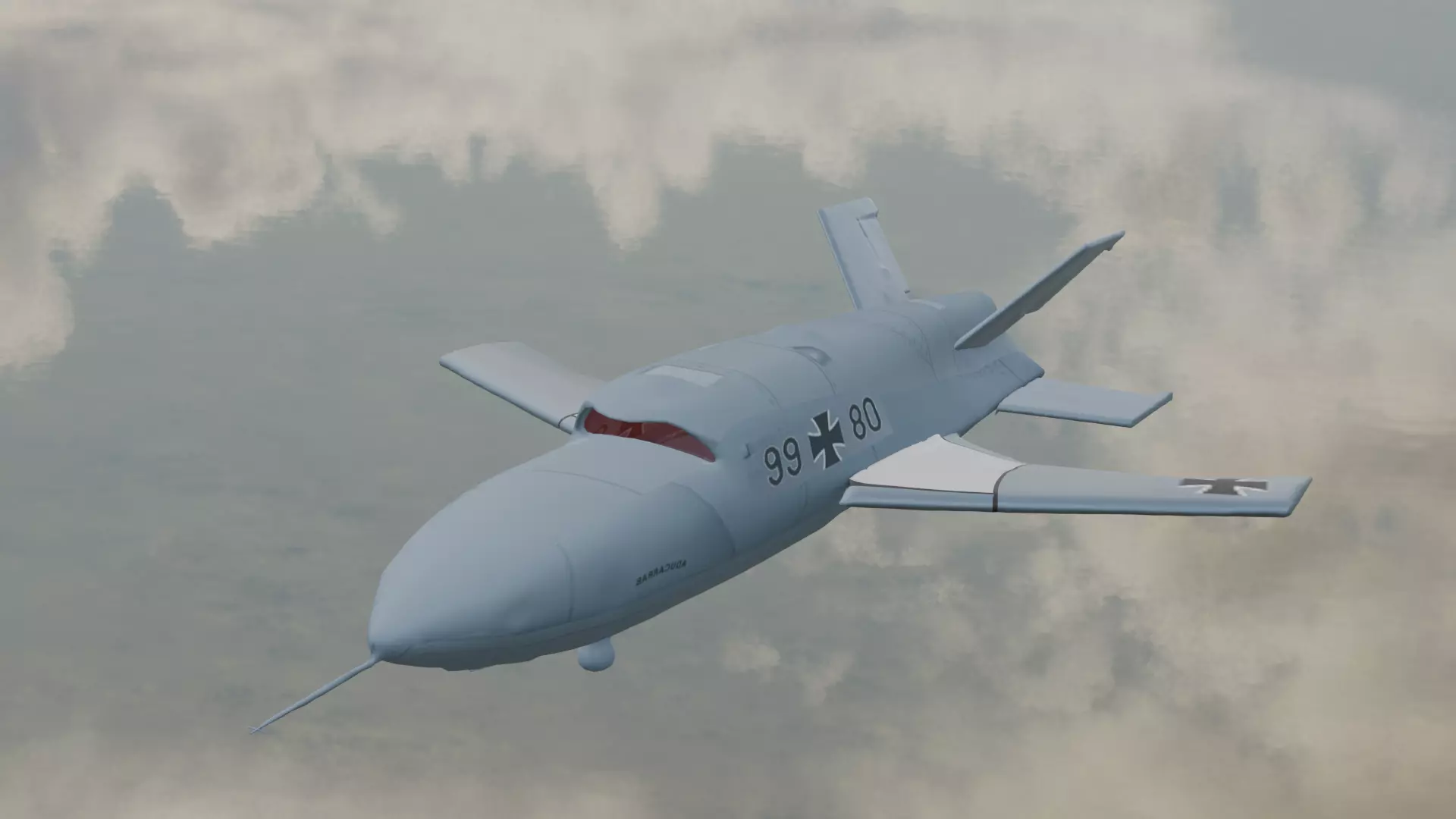
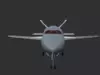
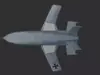
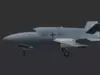
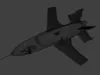
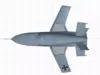
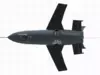
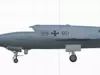
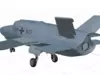
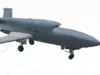
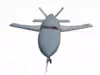
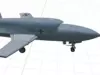
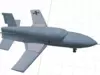
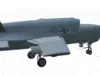
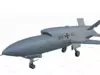
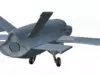
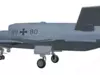
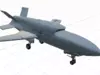
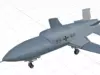
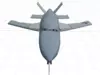
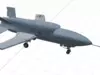
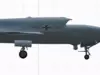
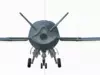
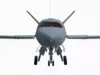
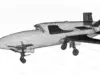
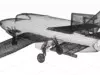
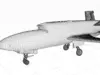
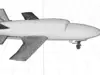
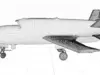
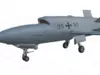
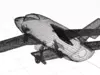
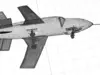
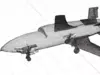
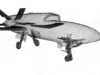
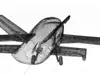
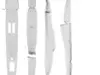
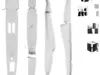
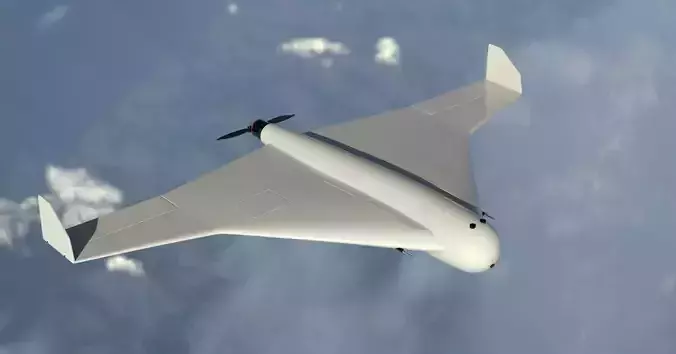
The EADS Barracuda is a jet-powered unmanned aerial vehicle (UAV) developed by the European Aeronautic Defence and Space Company, now part of Airbus Defence and Space. It was conceived as a testbed for advanced UAV technologies in surveillance, reconnaissance, and potentially strike missions. The project began in the early 2000s, aiming to boost Europe's capabilities in the field of high-performance unmanned systems. The Barracuda represents a significant step for Europe in the realm of stealth and autonomous military aviation. It was developed with a strong focus on low observability, incorporating stealth features that reduce its radar and infrared signatures. The airframe features a sleek, flying-wing design with no vertical stabilizers, contributing to its stealth profile. Its air inlet is located on top of the fuselage to reduce radar reflections from the ground. It is powered by a jet engine, giving it high subsonic speed and a relatively high operational ceiling. The Barracuda has a wingspan of about 7 meters and a length of roughly 8.25 meters. It uses composite materials extensively to reduce weight and enhance stealth. Its first prototype was completed in 2006, with a maiden flight in April of that year in Spain. Unfortunately, the first prototype crashed during a test flight. Despite this setback, the program continued, and a second prototype was built and successfully flown in 2009. The UAV is capable of autonomous flight, including takeoff, navigation, mission execution, and landing. It is designed for flexibility in mission profiles, including intelligence gathering and battle damage assessment. The Barracuda does not rely on a constant remote pilot; it can carry out pre-programmed missions with onboard systems.
Its autonomous capability is backed by a suite of sensors and flight management software. Though not armed, it was seen as a platform that could evolve into a combat drone in future iterations. The project was often compared to the American X-45 and X-47 UAVs, reflecting its similar goals and design philosophies. While the United States had a head start in such technologies, the Barracuda was Europe's answer to that technological challenge. The German-Spanish collaboration behind Barracuda helped build cross-border UAV expertise within Europe. Its development coincided with a broader push across NATO allies to integrate UAVs into regular military operations. One of the Barracuda's key features is modularity, allowing payloads to be swapped depending on mission requirements. This modular design means it can carry optical sensors, radar systems, or electronic warfare equipment. Its success in testing validated many concepts that were later incorporated into other UAV and UCAV (Unmanned Combat Aerial Vehicle) programs. Among these programs are the European nEUROn UCAV and the Future Combat Air System (FCAS). The Barracuda played a key role in the foundational stages of both initiatives. Although it was never mass-produced or deployed operationally, its value lay in its role as a proving ground for UAV technology. It helped refine Europe's understanding of autonomous systems, stealth design, and human-UAV interaction. Barracuda's data and flight experience informed software development for UAV mission planning and execution. The use of artificial intelligence and automated decision-making in UAVs owes much to platforms like the Barracuda. Its flight tests provided key insights into UAV behavior under various atmospheric and operational conditions. The aircraft’s ability to communicate with ground stations using secure data links was also put to the test. It demonstrated a high level of system integration, with sensors, control systems, and engines working in unison. The Barracuda showcased Europe’s aerospace maturity in competing with global UAV powers. It received significant attention from military analysts and aviation experts worldwide. Although EADS remained cautious about turning it into a production platform, interest persisted from various stakeholders. The UAV served as a symbol of Europe’s intention to assert more independence in military technology. The program also helped shape policies around the future use of autonomous systems in European defense.
It provided a platform for ethical and strategic discussions on the role of drones in combat. Some analysts have referred to the Barracuda as “the father of them all” in Europe’s UAV lineage. This nickname reflects its foundational influence on later UAV and UCAV programs. The aircraft is now considered a landmark in European aerospace history. Its legacy continues through ongoing European drone projects. Though only a few units were ever built, their impact far exceeds their number. The Barracuda stands as a bold, ambitious attempt to bridge the technological gap with the United States and Israel. It represents a moment when Europe took a serious step toward mastering autonomous flight in military applications. As newer UAVs enter service, the Barracuda’s influence is still seen in their design and mission logic. Its role in shaping doctrine, design, and ambition for European unmanned systems is undeniable. Ultimately, the EADS Barracuda is a pioneering force in European UAV development and a lasting symbol of technological innovation.
Formats include: OBJ, FBX. Feel free to check out the other models, just click on the user name to see the complete portfolio.