*Atomic Bomb *
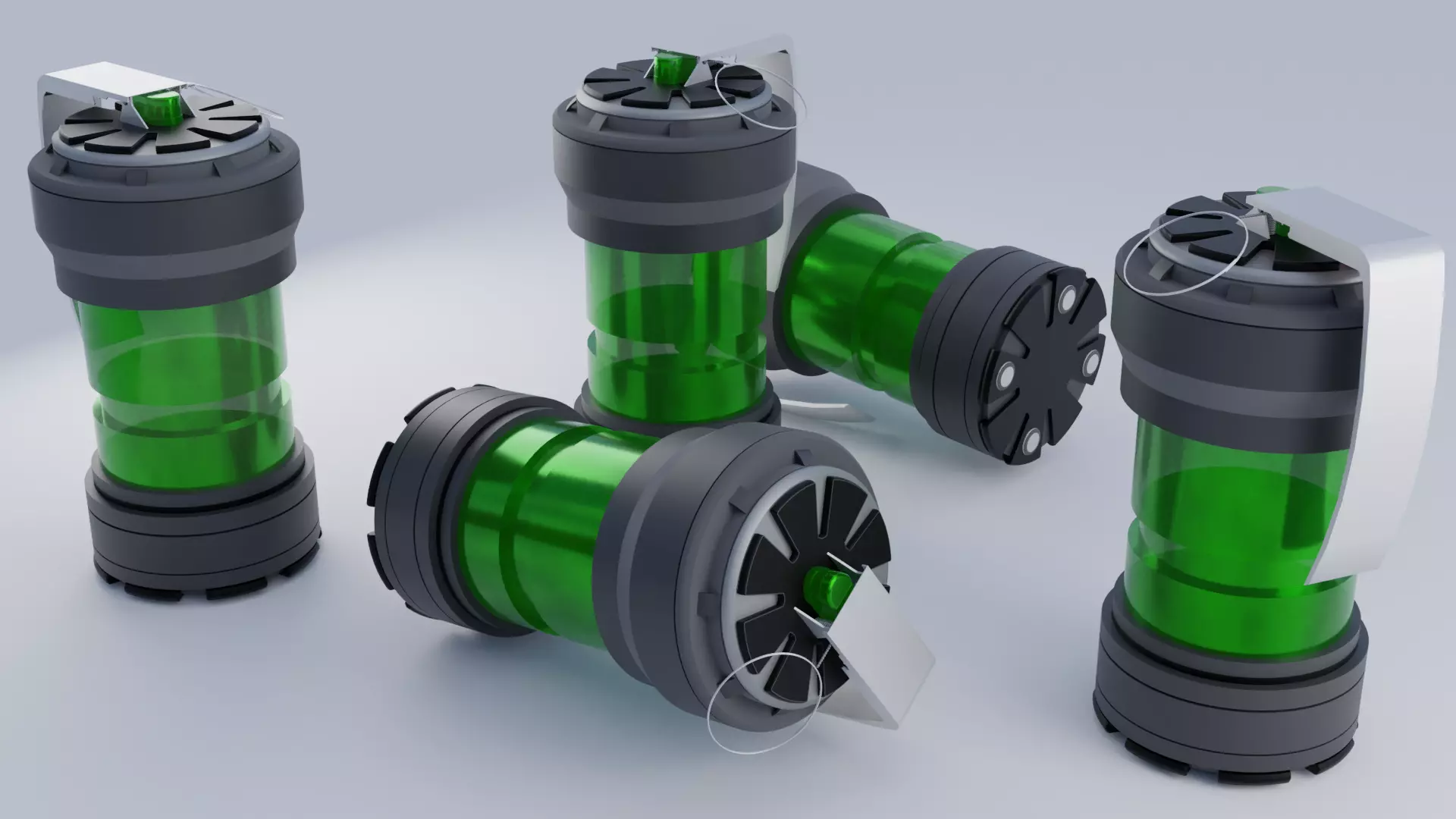
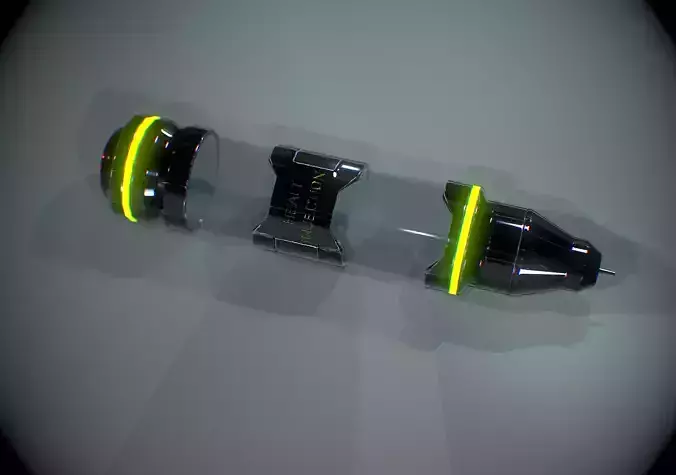
- Atomic bomb was model and rendered in blender 2.81
- Light setting using the graffer hdri addon
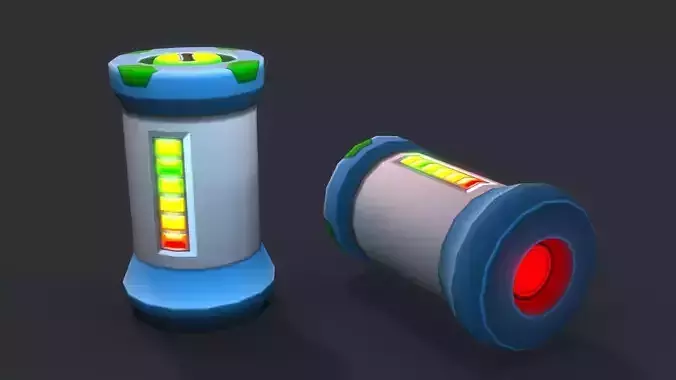
- It is futuristic Atom bomb
- Atom liquid drop is fell it on ground it will blast...............................
- It is ready available for game designing and devolopment
...................................how to download...............................
- fbx,stl,obj,mlt it is just download it
- blender ,3dsmax download the zip.
ABOUT THE BOMBA bomb is an explosive weapon that uses the exothermic reaction of an explosive material to provide an extremely sudden and violent release of energy. ... Other military explosive weapons not classified as bombs include shells, depth charges (used in water), or land mines.
The term bomb is not usually applied to explosive devices used for civilian purposes such as construction or mining, although the people using the devices may sometimes refer to them as a bomb. The military use of the term bomb, or more specifically aerial bomb action, typically refers to airdropped, unpowered explosive weapons most commonly used by air forces and naval aviation. Other military explosive weapons not classified as bombs include shells, depth charges (used in water), or land mines. In unconventional warfare, other names can refer to a range of offensive weaponry. For instance, in recent Middle Eastern conflicts, homemade bombs called improvised explosive devices (IEDs) have been employed by insurgent fighters to great effectiveness.
ABOUT THE ATOMIC BOMBTruman did not seek to destroy Japanese culture or people; the goal was to destroy Japan's ability to make war. So, on the morning of August 6, 1945, the American B-29 bomber, the Enola Gay, dropped the world's first atom bomb over the city of Hiroshima.The horrific humanitarian consequences of nuclear weapons are clearly illustrated by the 1945 atomic bombing of Hiroshima and Nagasaki, which killed almost 110,000 people on the spot. Around the same number again died subsequently from their injuries or radiation exposure. The damage caused to the physical and natural environment is well documented. What is perhaps less well known is the long-term impact on the lives of the survivors, who are known as hibakusha. In addition to grief and physical trauma, they have experienced higher levels of depression and PTSD, prolonged anxiety about potential cancer diagnoses, destitution and homelessness, and social discrimination and stigma.
Sadly, survivors continue to suffer health consequences to this day. In 2014, the Japanese Red Cross Society atomic bomb hospitals treated over 10,000 hibakusha, largely for cancer and blood vessel-related diseases. And most concerning, it is not yet clear whether genetic damage caused by radiation will manifest in the descendants of those exposed to the nuclear bombs.
Alarmingly, the consequences of the 1945 atomic bombs are merely a preview of the destruction that nuclear weapons can wreak. Nuclear weapons today are much more powerful than the 15 and 21-kiloton bombs dropped on Japan.
The law
This leads us to question why the use of nuclear weapons, unlike chemical and biological weapons, is not clearly banned.
Although not explicitly prohibited under international humanitarian law (IHL), the use of nuclear weapons calls “into question the very foundations of the law of war”. IHL requires all sides in an armed conflict to make a distinction between military objectives and civilian objects and to direct attacks only against the former. It prohibits attacks that are indiscriminate and that cause superfluous or unnecessary suffering. IHL also has rules for the protection of the natural environment.
It is difficult to envisage how the use of nuclear weapons could be compatible with these rules. If used anywhere near a populated area, the forces unleashed by a nuclear detonation would, in addition to combatants and military targets, kill and injure civilians, prisoners, and medical personnel and destroy schools, homes, hospitals and other civilian infrastructure.
It can also be argued that the suffering inflicted on surviving combatants would be superfluous and unnecessary—as it can hardly be argued that causing higher rates of leukaemia in later years is a legitimate military strategy to overcome the enemy. Finally, studies have shown that even a limited exchange of nuclear weapons would have serious consequences for the earth’s ecosystem.
At the 2013 International Conference on the Humanitarian Impact of Nuclear Weapons, ICRC President Peter Maurer asked states who would assist victims in the event of a nuclear attack or accident, and how? Should nuclear weapons be used again, it is clear that states and humanitarian organisations such as national Red Cross and Red Crescent societies and the ICRC would be unable to respond effectively in the immediate aftermath while ensuring the safety of assistance providers.
For these reasons, the ICRC, as part of the International Red Cross and Red Crescent Movement (the Movement), has taken a strong stance against the use of nuclear weapons. In 2011, the Movement adopted a resolution, whose co-sponsors included Australian Red Cross, which calls on states to ensure that nuclear weapons are never again used and to pursue negotiations for a binding international agreement that prohibits the use of nuclear weapons and brings about their elimination.
Thus, the ICRC and the wider Movement welcomes the adoption by the United Nations General Assembly First Committee of a resolution to convene in 2017 a conference to negotiate a legally binding instrument to prohibit nuclear weapons, leading towards their total elimination. It is an opportunity for states to recognise the human suffering caused by nuclear weapons and the limits placed on the use of weapons by IHL. And it is a step towards fulfilling the Movement’s resolution that seeks ultimately the elimination of the most destructive weapon at our disposal.
The ICRC will work with states and national Red Cross and Red Crescent societies like Australian Red Cross to help ensure that the treaty is successfully concluded, is firmly rooted in international humanitarian law, and is of benefit to the collective future of humanity.