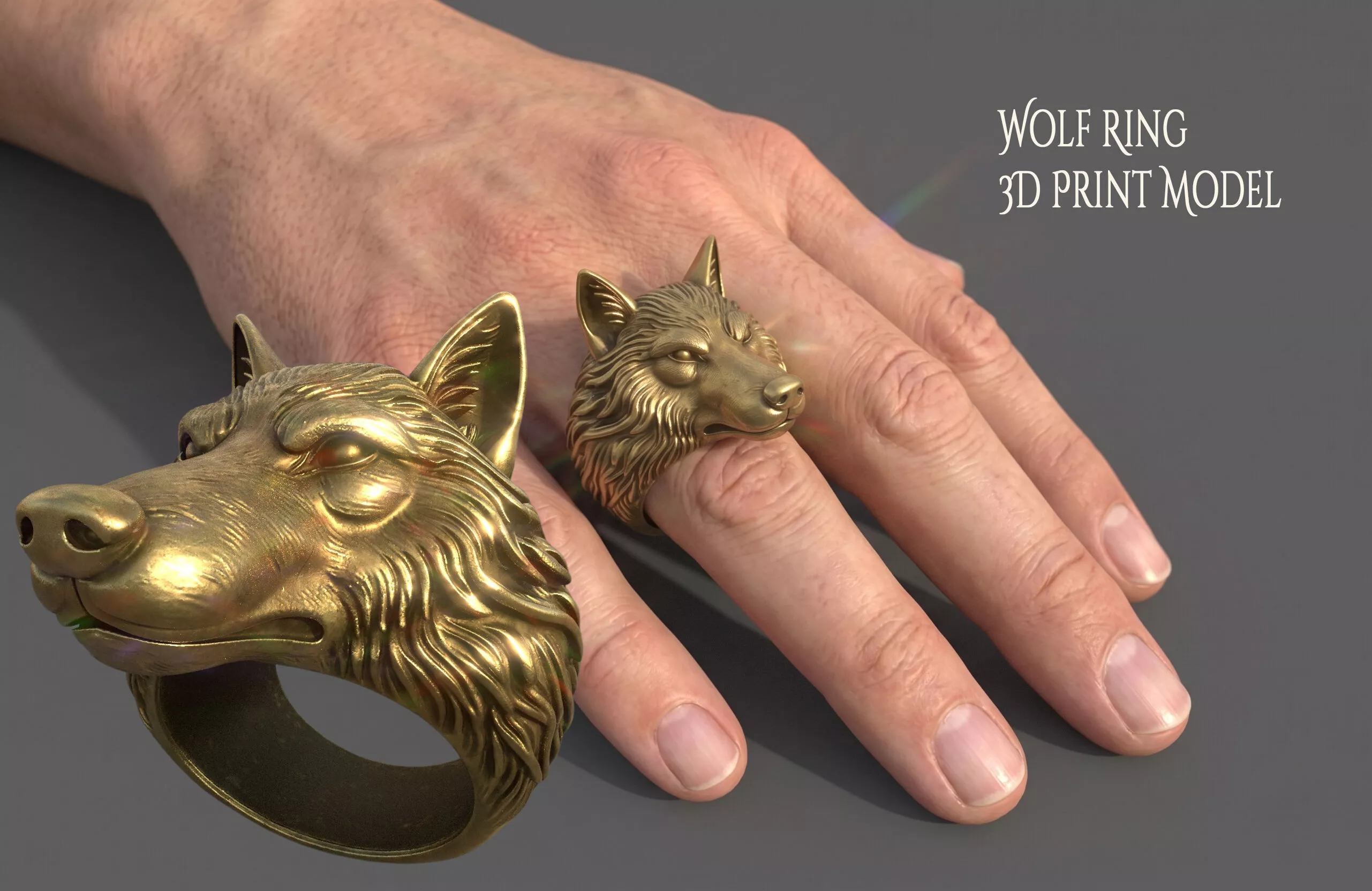
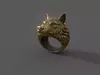
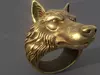
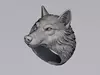
The Grey wolf or Graywolf (Old Turkic: Böri) is a sacred animal and national symbol in Turkic, Mongolian, and Altaic mythology.[1] In Turkish it is known as Bozkurt (Boskord, Pusgurt, Gökkurt, Gökbörü, Kökbörü). In Mongolian it is called Börteçine (Börteşına, Börtöşono).
Significance of the Grey WolfThe sacred, way-finding wolf is the common symbol of all Turkic and Mongolian tribes. Some Turkic and Mongolian tribes believe their lineage derives from this blessed being. Most of the time, one branch of lineage comes from the Sky Wolf (Gökkurt) and the other branch comes from the Sky Deer (Gökgeyik).[citation needed] The Grey Wolf represents the sky, while the fallow deer symbolizes the earth.
There is a picture of a wolf head on the sky-blue flags of the Göktürks. This represents their fighting spirit, freedom, speed, intelligence, and ability to read the battlefield. Göktürks would erect poles with a golden wolf head in front of their tents. The Warrior Spirit (god) takes on the appearance of a wolf. When a threat against a Turkic nation appears, the Grey Wolf also emerges to guide that nation. Elders and saints sometimes disguise themselves as wolves. A sixth-century Turkic stone monument depicts a boy suckling milk from a wolf.
5 Turkish Lira banknote with the image of Bozkurt issued on December 5, 1927In Turkic folk culture, it is believed that carrying a wolf tooth in your pocket will protect you from the evil eye. In the Yakut documents their guardian wolf is referred to as Bosko. For the Kyrgyz people, seeing a wolf while walking in the steppe was seen as a sign of good luck and safety. Seeing a wolf in a dream was also a good sign. They used to put wolf teeth or skin under their pillows to protect the pregnant woman from the evil eye. It was also considered a blessing if a wolf dove into a flock of sheep or if it entered a barn. According to Bashkir mythology, a wolf fell in front of the ancient Bashkirs and showed them the way. Therefore, they were called Bashkirs, which means with a wolf on their heads.[2]
The crescent tactic (or the Turanian/Turkic tactic), the strategy of baiting an enemy into the center and enclosing them in a crescent shape, was first applied by the Turkic people after seeing it being used by wolves.[3]
The Bozkurt was considered sacred by Turks in pre-Islamic times and continued to be a symbol of Turkish identity in later periods.[4][5] Historical research shows that various Turkic peoples that migrated to the west such as the Huns, Kipchaks and Pechenegs used this symbol to denote their heritage.[6] The main reason that the Grey Wolf is considered sacred and is the national symbol of the Turks is based on the belief that a she-wolf named Asena (Kökböri, Bozkurt) guided the Turks as they emerged from Ergenekon by melting the iron mountains, as described in the Epic of Ergenekon.
Today the Grey Wolf is a symbol of Turkish nationalism. It was declared a national symbol by Atatürk and is used in many places. In the early years of the republic, images of the Grey Wolf were printed on Turkish lira notes.
The Creation Epic of GaocheMain article: Turkic creation mythThe story known as the Turkic creation myth is the creation epic of Gaoche. It is included in the Book of Wei and the History of the Northern Dynasties from the Chinese chronicles. A male wolf plays a role in this epic.
The tanyu of Hiung-nu had two beautiful daughters that he decided to offer to god. He built a high tower over the land and begged god to take his daughters as wives. The god took them and left them in the tower. An old wolf had settled in a cave at the base of the tower and one of the girls thought the wolf was the god. Despite her sister's objections, she descended from the tower became the wolf's wife, and later gave birth to his child