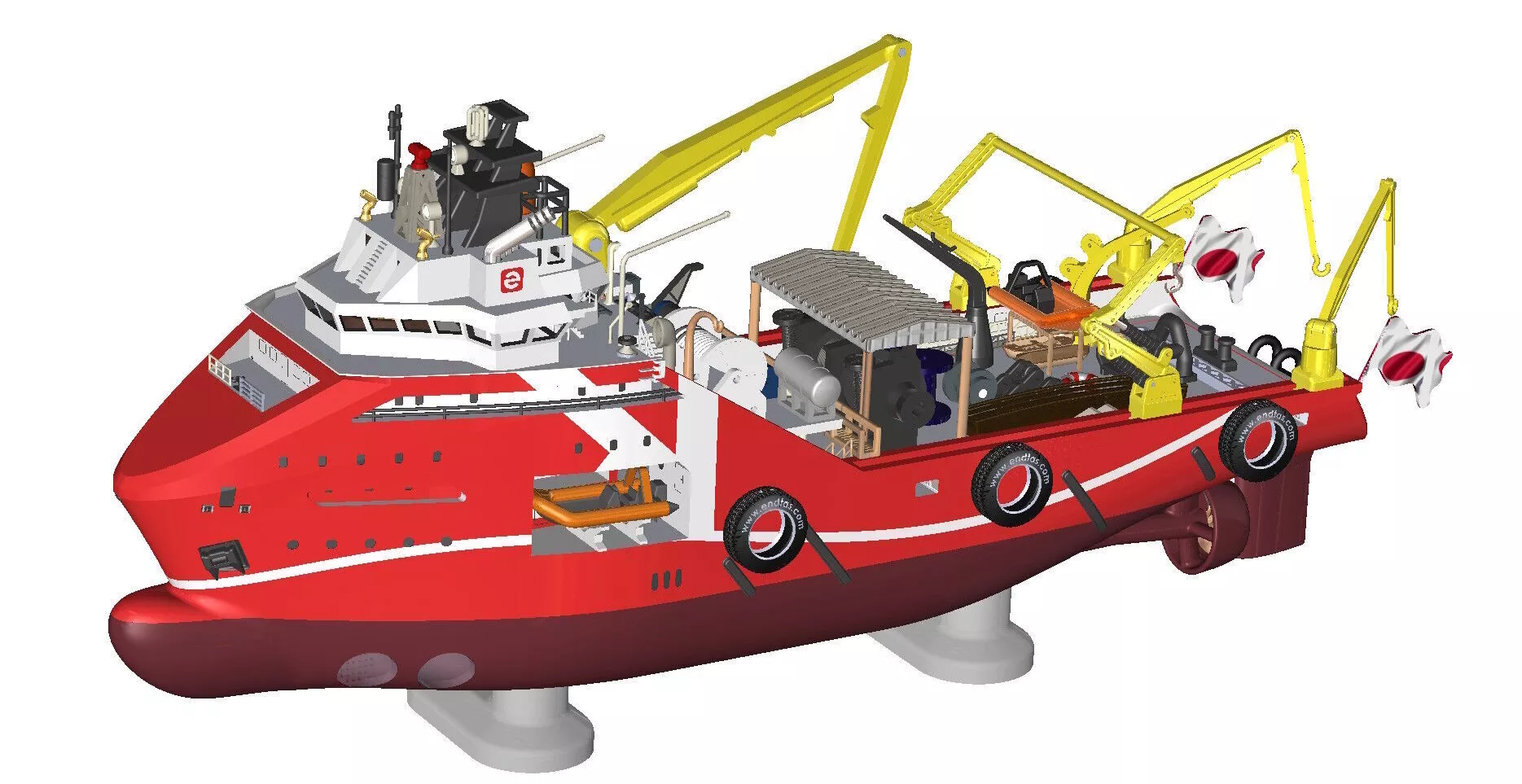
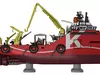
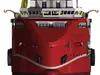
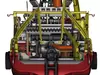
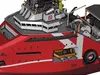
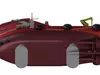
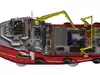
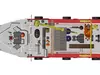
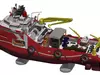
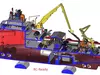
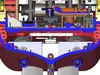
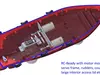
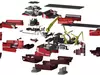
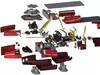
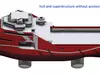
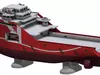
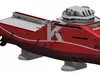
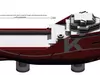
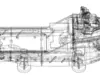
This RC-ready 3D printable model is a design-accurate interpretation of the AH-12 offshore tug family, visually inspired by the well-known KL Saltfjord. As complete construction drawings for the real vessel are not publicly available, this model has been carefully developed from photographic reference and publicly available information to capture the characteristic proportions, deck layout, and overall personality of the AH-12 type — while incorporating practical improvements that make the model easier to print, assemble, and operate as an RC vessel.The core boat is intentionally straightforward to build. The main hull and superstructure consists of 20+ high-poly, large-enough-to-handle STL files that assemble into a clean, solid 640mm tug with a satisfying presence on any display surface or waterway. Beyond the core hull-superstructure, the package includes a large optional accessories collection — deck machinery, navigation lights, masts, buoys, winch components, bollards, and a wide range of small deck fittings — raising the total file count to over 170 pieces. These accessories are designed to be used selectively rather than all at once, giving each builder complete freedom to assemble a clean, minimal working tug or gradually add layers of detail depending on their available time and enthusiasm. RC installation is fully integrated into the design from the ground up — dedicated DC motor mounts, servo motor frames, and internal bolt-holder alignment features are built directly into the hull structure, ensuring accurate assembly and reliable hardware fitment without improvisation. The hull interior is fully hollow with 4–5mm wall thickness throughout, providing generous and well-organized internal volume for batteries, ESCs, receiver, and wiring. Whether you are building a display model, a detailed collector's piece, or a fully operational RC tug, this model has been engineered to support all three approaches from a single file pack.
3D printing settingsAll parts are designed for standard desktop FDM printers with a minimum 22×22×25cm build volume, making this 640mm tug accessible without any specialist equipment. The modular hull structure divides cleanly into printer-friendly sections that fit comfortably within these dimensions, and precision alignment features between parts ensure the hull goes together accurately and without guesswork.For main structural components — hull sections, deck plates, and superstructure walls — we recommend a layer height of 0.20–0.28mm, 3–4 perimeter walls, and 15–20% infill for a good balance of strength, weight, and print efficiency. PLA+ or PETG are both excellent choices for structural parts, with PETG preferred for any components that will be exposed to water during RC operation. Smaller superstructure details, fittings, and accessories print best at 0.12–0.16mm layer height to capture the finer surface features cleanly. If you want to replicate the characteristic rubber fender tyres that ring the hull of the real vessel, flexible filament such as TPU printed at low speed produces a very satisfying and authentic result for the side bumpers. The modular design means builders can approach the project at whatever pace suits them — print and assemble the core hull first for an early sense of the finished model, then add accessories and RC hardware gradually over time. The result, whether built quickly or developed patiently over many sessions, is a highly characterful and deeply rewarding tug model that looks equally at home on a display shelf or on the water.