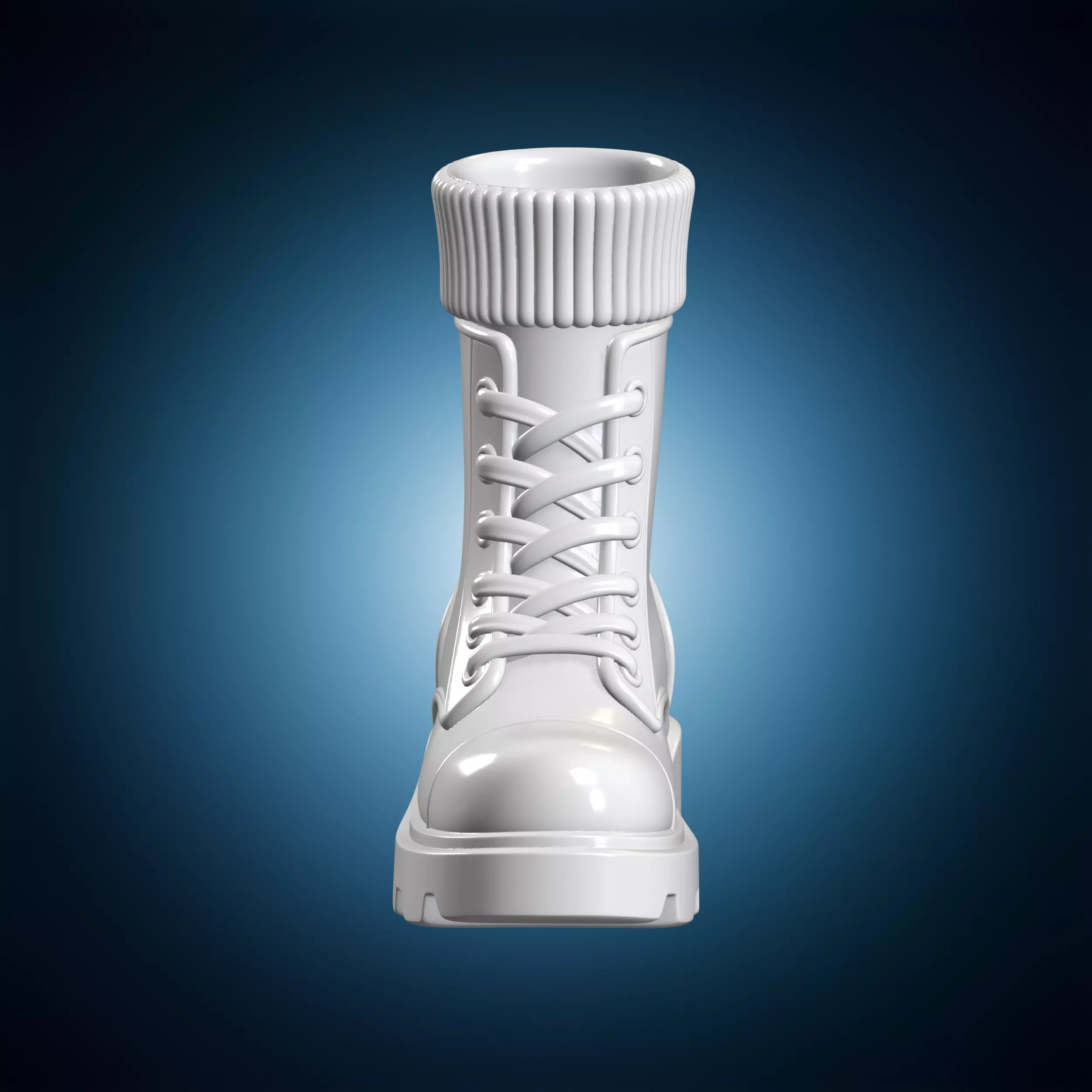
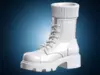
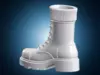
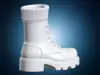
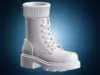
Step up your style game with this detailed High-Top Boot 3D Print Model. This fashion-forward design recreates a classic high-top boot with meticulous attention to construction details and material textures. The combination of rugged utility and streetwear aesthetics makes this a compelling display piece for sneakerheads and fashion enthusiasts. The boot features a tall shaft that extends above the ankle with a padded collar at the top. Lace eyelets run up the front in two parallel rows with a sculpted tongue visible beneath. The sole has a chunky treaded pattern with visible grip lugs. Side panels show stitching lines and overlay patterns that mimic leather construction. A pull tab sits at the rear of the collar. The toe box has a reinforced cap detail. The overall silhouette is bold and contemporary with clean lines and balanced proportions. This model is a must-have for shoe collectors and fashion design students. Display it on a shelf alongside other footwear models for a miniature shoe gallery. It makes a creative gift for sneaker culture fans and streetwear enthusiasts. Retail stores can use it as a decorative window display element. The boot also works as a pencil holder or small planter with minor modifications. Fashion illustrators and designers can use it as a 3D reference for their work. For 3D printing. a layer height of 0.12mm captures the stitching lines and tread pattern effectively. Print at 100% scale for a realistic shoe size or 50% for a desktop model. An infill of 15-20% provides good structural integrity. Supports are needed inside the boot shaft and under the sole overhang. PLA in black or brown creates a classic boot appearance. Multi-material printing can differentiate the sole from the upper. The download includes OBJ. STL. and PLY file formats. All geometry is manifold and ready for slicing. This model prints well on standard FDM machines with proper support placement. Please Note: This STL file may require pre-printing preparation such as support analysis and positioning adjustments. Thickness verification and specific settings for your printer and filament may be needed. Other technical adjustments might be necessary depending on your equipment and printing method.