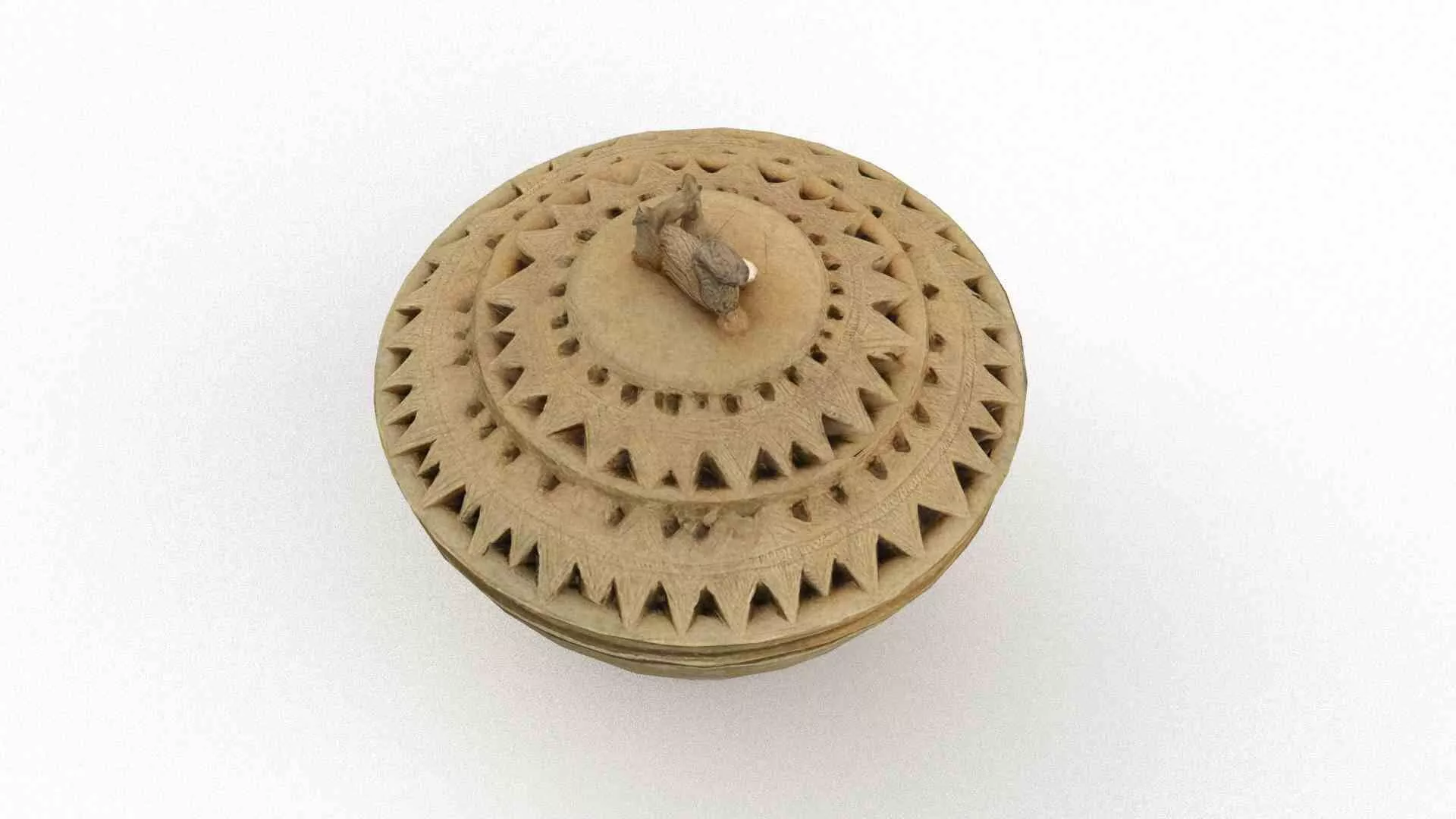
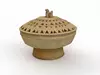
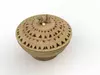
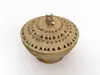
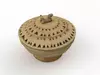
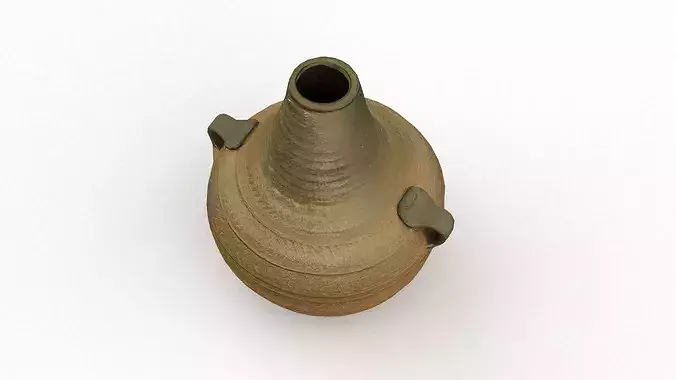
【Period of Use】Shang-Zhou period (ca. 1600 BCE — 256 BCE) to the fall of the Minyue Kingdom (110 BCE)【Dimensions】From small daily-use cups (e.g., a grey pottery cup only 3.8 cm in height) to large ceremonial tripods up to 31 cm tall.【Regions of Use】Centered in present-day Fujian Province, with extensions into the Ou River basin in southern Zhejiang. Certain pottery types have also been found in Guangdong and other Lingnan Baiyue areas.【Story】In 110 BCE, Emperor Wu of Han launched a military campaign against the Minyue Kingdom. Inside the palace temple at the walled city of Chengcun in Wuyishan, as Han troops closed in, the Minyue priest clutched a pottery shard with a snake-shaped appliqué, poured out the last vessel of ”dark wine,” and lit incense from the southern seas in a pottery burner. Prostrating himself toward the rising smoke, he prayed for the serpent ancestor to manifest and protect his people. When Han soldiers breached the gates, the sacrificial fire was still burning, and the snake-emblazoned pottery shattered amid blood and flames.【Functions】1. Ritual ceremonial vessels — pottery cups filled with “dark wine“ (xuanjiu) for offering to Heaven, Earth, and spirits; tripods and gourd-shaped vessels used in ancestral temple rites; 2. Totemic belief carriers — pottery surfaces decorated with coiled serpent motifs (panhui), snake-shaped appliqués, and spiral handles, all material expressions of snake totem worship; 3. Ceremonial musical instruments — pottery drums (tugu), used during mid-spring and mid-autumn rituals to honor agricultural gods at sowing and harvest times; 4. Incense burners for communication with spirits — pottery incense burners used in liao sacrifice, where rising blue smoke served as a medium to reach heavenly deities; 5. Burial mingqi — pottery tripods and gourd vessels placed in tombs for the deceased to use in the afterlife, embodying the belief of “serving the dead as if they were alive“.