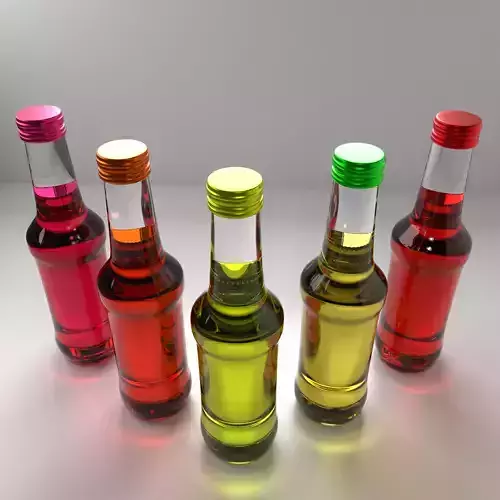
High-quality 3D assets at affordable prices — trusted by designers, engineers, and creators worldwide. Made with care to be versatile, accessible, and ready for your pipeline.
Included File Formats
This model is provided in 14 widely supported formats, ensuring maximum compatibility:
• - FBX (.fbx) – Standard format for most 3D software and pipelines
• - OBJ + MTL (.obj, .mtl) – Wavefront format, widely used and compatible
• - STL (.stl) – Exported mesh geometry; may be suitable for 3D printing with adjustments
• - STEP (.step, .stp) – CAD format using NURBS surfaces
• - IGES (.iges, .igs) – Common format for CAD/CAM and engineering workflows (NURBS)
• - SAT (.sat) – ACIS solid model format (NURBS)
• - DAE (.dae) – Collada format for 3D applications and animations
• - glTF (.glb) – Modern, lightweight format for web, AR, and real-time engines
• - 3DS (.3ds) – Legacy format with broad software support
• - 3ds Max (.max) – Provided for 3ds Max users
• - Blender (.blend) – Provided for Blender users
• - SketchUp (.skp) – Compatible with all SketchUp versions
• - AutoCAD (.dwg) – Suitable for technical and architectural workflows
• - Rhino (.3dm) – Provided for Rhino users
Model Info
• - All files are checked and tested for integrity and correct content
• - Geometry uses real-world scale; model resolution varies depending on the product (high or low poly)
• • - Scene setup and mesh structure may vary depending on model complexity
• - Rendered using Luxion KeyShot
• - Affordable price with professional detailing
Buy with confidence. Quality and compatibility guaranteed.
If you have any questions about the file formats, feel free to send us a message — we're happy to assist you!
Sincerely,
SURF3D
Trusted source for professional and affordable 3D models.
More Information About 3D Model :
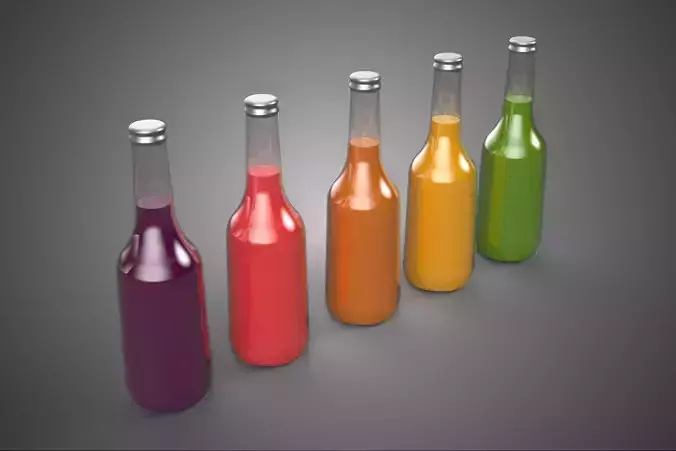
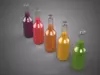
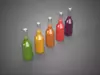
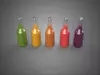
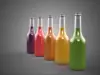
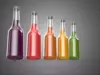
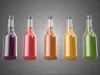
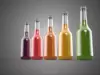
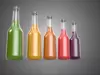
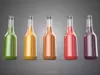
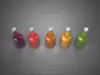
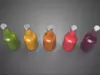
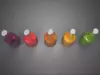
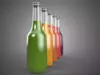
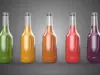
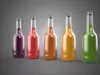
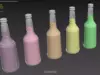
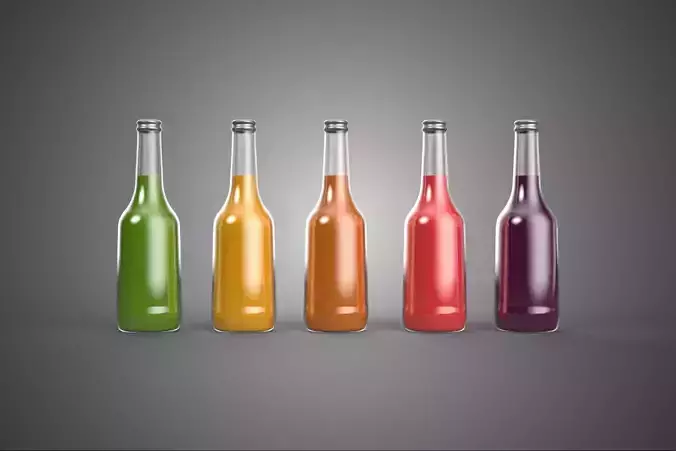
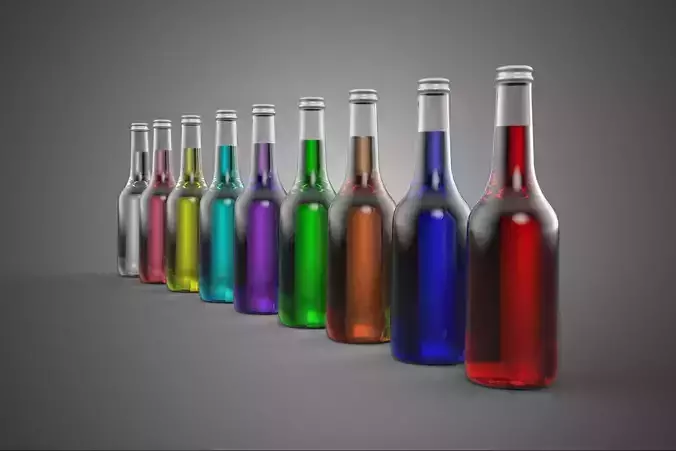
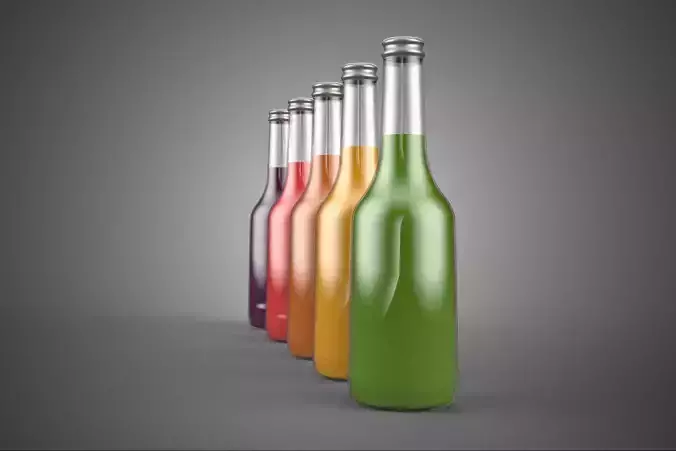
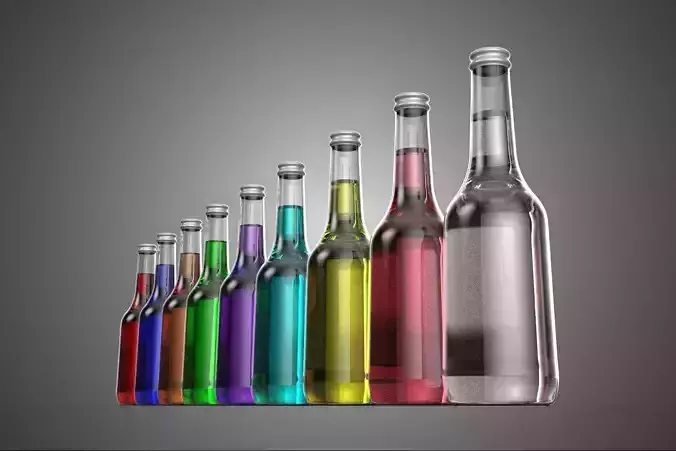
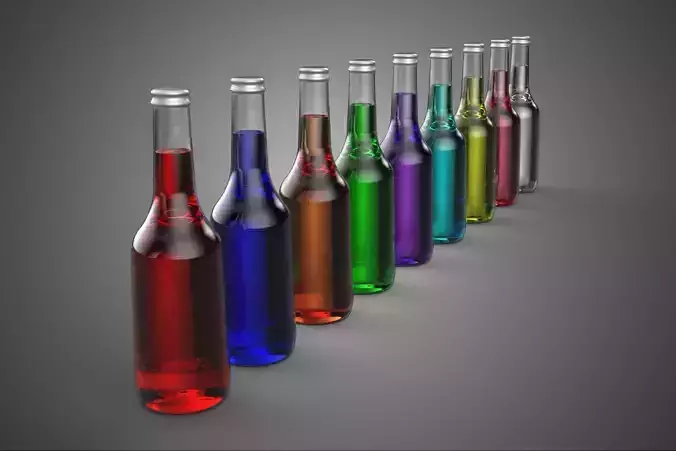
Clarified Fruit Juice Beverage (Packaged)
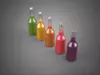
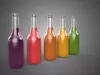
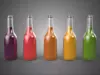
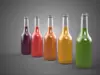
A clarified fruit juice beverage is a non-alcoholic, liquid refreshment product derived from the extraction and subsequent refinement of natural fruit components, formulated for retail sale in sealed containers. This category of beverage is technically defined by its optical transparency (clear) and the distinct, vivid chroma (colorful) achieved by careful processing and filtration techniques.
Composition and Source Material
The foundational component is the pressed liquid (juice) extracted from ripe, quality-inspected fruit (the fresh component). Common source materials include apples, white grapes, berries, and certain tropical fruits, selected for their sugar content, characteristic flavor profile, and natural pigmentation (anthocyanins, carotenoids, and flavonoids).
These beverages typically maintain a high percentage of fruit solids, though they may occasionally include filtered water, natural sweeteners (such as high-fructose corn syrup, sucrose, or stevia), and regulatory-approved additions such as Ascorbic Acid (Vitamin C) to prevent oxidation, or Citric Acid for pH adjustment and flavor enhancement.
Processing and Clarification
The defining characteristic of this beverage type is its clarity. To achieve this state of optical transparency, the raw pressed juice—which is naturally turbid due to suspended solids, pectin, starch, and colloidal material—undergoes a rigorous clarification process:
- Enzymatic Hydrolysis: Treatment with enzymes, primarily Pectinase, breaks down pectin molecules, reducing the viscosity and facilitating the aggregation of particulate matter.
- Fining and Flocculation: Fining agents (e.g., gelatin, bentonite, or silica sol) are introduced to attract and consolidate suspended solids into larger, filterable clumps (flocculation).
- Filtration: The liquid is subjected to multi-stage filtration, often progressing through diatomaceous earth (DE) or pressure leaf filters, followed by microfiltration or ultrafiltration. This removes residual particles, resulting in a product devoid of pulp or sediment.
The clarification process maximizes the visual impact (the colorful attribute) by removing scattering agents, allowing the natural hue of the fruit pigment to be displayed with high brilliance.
### Packaging, Aesthetics, and Shelf Life
The final beverage is typically presented in transparent packaging—primarily Polyethylene Terephthalate (PET) plastic or glass bottles—specifically chosen to showcase the clarity and color. The presentation is integral to the product’s market positioning, often linking visual purity with perceived quality and natural health benefits.
To ensure microbiological stability and extend shelf life beyond the point of bottling, the liquid usually undergoes pasteurization, often utilizing High-Temperature Short-Time (HTST) flash pasteurization to minimize thermal degradation of flavor compounds and nutritional content. Aseptic bottling techniques are frequently employed to maintain sterility during packaging.
These bottled beverages are generally positioned in the market as premium or health-conscious alternatives to opaque or pulp-containing juices, appealing to consumers prioritizing aesthetic presentation and a smooth, consistent drinking texture.
KEYWORDS: Clarified Juice, Fruit Beverage, Bottled Drink, Non-Alcoholic, Transparent, Colorful, High-Filtration, Pasteurization, Ultrafiltration, Aseptic Packaging, Fruit Extract, Anthocyanins, Fructose, PET Bottle, Liquid Refreshment, Hydration, Single-Strength Juice, Fining Agent, Pectinase, Clarity, Shelf-Stable, Retail Product, Premium Juice, Natural Pigment, Colloidal Suspension, Turbidity, Filtered, Juice Clarity, Pulp-Free, Health Drink.