High-quality 3D assets at affordable prices — trusted by designers, engineers, and creators worldwide. Made with care to be versatile, accessible, and ready for your pipeline.
Included File Formats
This model is provided in 14 widely supported formats, ensuring maximum compatibility:
• - FBX (.fbx) – Standard format for most 3D software and pipelines
• - OBJ + MTL (.obj, .mtl) – Wavefront format, widely used and compatible
• - STL (.stl) – Exported mesh geometry; may be suitable for 3D printing with adjustments
• - STEP (.step, .stp) – CAD format using NURBS surfaces
• - IGES (.iges, .igs) – Common format for CAD/CAM and engineering workflows (NURBS)
• - SAT (.sat) – ACIS solid model format (NURBS)
• - DAE (.dae) – Collada format for 3D applications and animations
• - glTF (.glb) – Modern, lightweight format for web, AR, and real-time engines
• - 3DS (.3ds) – Legacy format with broad software support
• - 3ds Max (.max) – Provided for 3ds Max users
• - Blender (.blend) – Provided for Blender users
• - SketchUp (.skp) – Compatible with all SketchUp versions
• - AutoCAD (.dwg) – Suitable for technical and architectural workflows
• - Rhino (.3dm) – Provided for Rhino users
Model Info
• - All files are checked and tested for integrity and correct content
• - Geometry uses real-world scale; model resolution varies depending on the product (high or low poly)
• • - Scene setup and mesh structure may vary depending on model complexity
• - Rendered using Luxion KeyShot
• - Affordable price with professional detailing
Buy with confidence. Quality and compatibility guaranteed.
If you have any questions about the file formats, feel free to send us a message — we're happy to assist you!
Sincerely,
SURF3D
Trusted source for professional and affordable 3D models.
More Information About 3D Model :
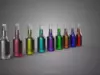
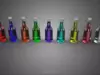
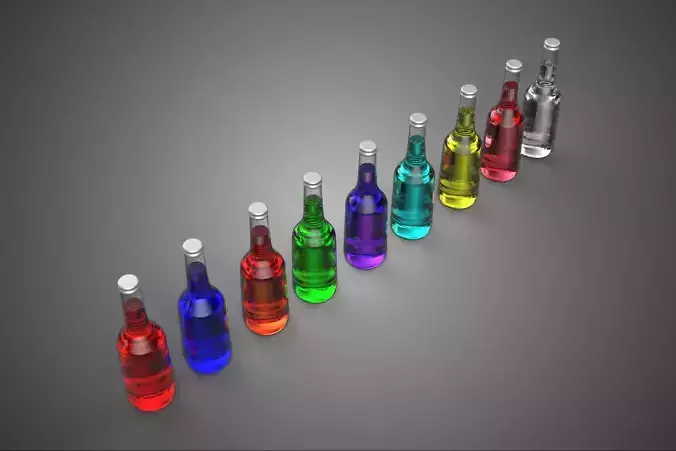
Concentrated Flavored Beverage Solutions (Syrups and Cordials)
Syrups and cordials are a category of highly concentrated liquid preparations, characterized primarily by high sugar content, designed either as a flavoring and sweetening component (syrup) or as a base intended for dilution to create a beverage (cordial). These viscous fluids serve as fundamental ingredients in the preparation of mixed drinks, non-alcoholic sodas, and various culinary applications.
Nomenclature and Definition
The terms syrup and cordial often overlap but possess technical distinctions. A syrup is formally defined as an aqueous solution containing a high proportion of dissolved sugars, typically reaching or exceeding 65% Brix (a measurement of dissolved solids content). The primary function of this high sugar concentration is to provide substantial sweetness, viscosity, and, crucially, osmotic stabilization, which inhibits microbial growth and extends shelf life.
A cordial generally refers to a ready-to-use flavor concentrate, often incorporating fruit juice, flavor extracts, and acidifiers (such as citric or malic acid). Historically, cordials were defined as medicinal or tonic preparations, sometimes containing alcohol; however, in modern commercial usage, the term usually denotes a non-alcoholic, sweet, flavored liquid intended for dilution with still or carbonated water. Both syrups and cordials fall under the broader classification of liquid beverage concentrates or flavor enhancers.
Composition and Sweetness
The characteristic sweetness and consistency of these liquids are derived predominantly from sucrose, inverted sugar, or high-fructose corn syrup. Flavor profiles are diverse and achieved through the incorporation of natural or artificial essences, concentrated fruit juices, botanical extracts, or essential oils. To balance the intense sweetness and enhance palatability, acidulants are routinely added. Preservatives, such as sodium benzoate or potassium sorbate, may be included to ensure stability post-packaging, particularly in products with lower sugar concentrations or higher pH levels. The high viscosity results directly from the significant concentration of dissolved solids.
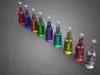
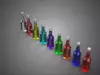
Packaging and Presentation (Glass Bottle)
For premium products and those requiring extended shelf stability, the glass bottle is the standard packaging format. Glass offers substantial advantages crucial for preserving the integrity of sweet, flavored liquids:
- Chemical Inertness: Glass is chemically non-reactive, preventing leaching or chemical migration that could alter the delicate flavor profile or chemical composition of the syrup or cordial, particularly those containing acids or intense flavor essences.
- Barrier Properties: Glass provides an excellent barrier against gas and moisture transmission, ensuring the product retains its intended flavor and consistency over long periods.
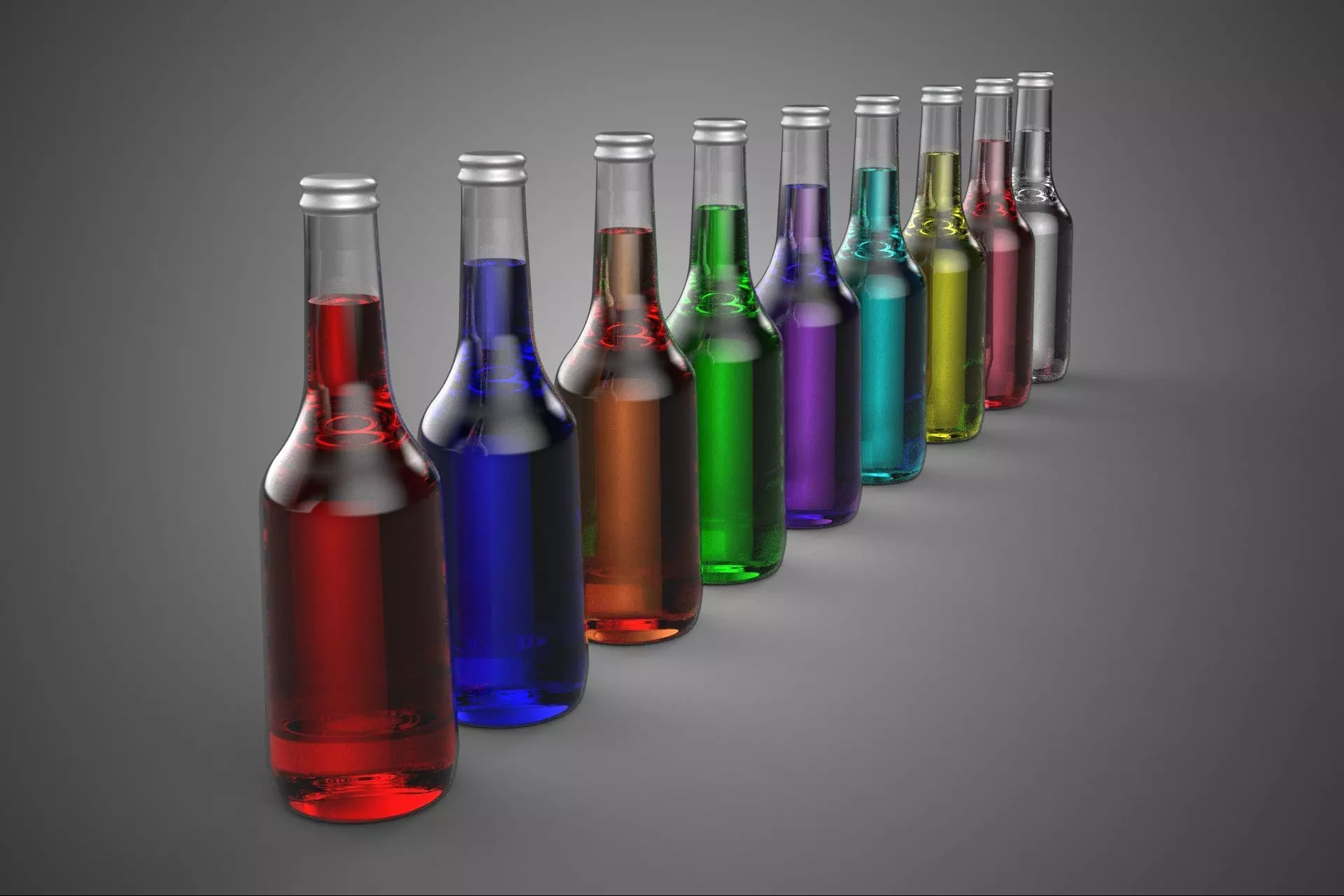
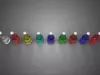
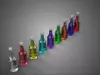
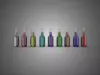
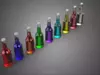
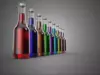
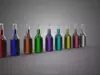
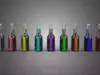
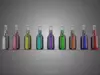
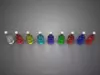
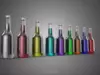
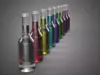
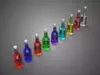
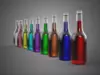
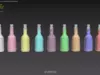
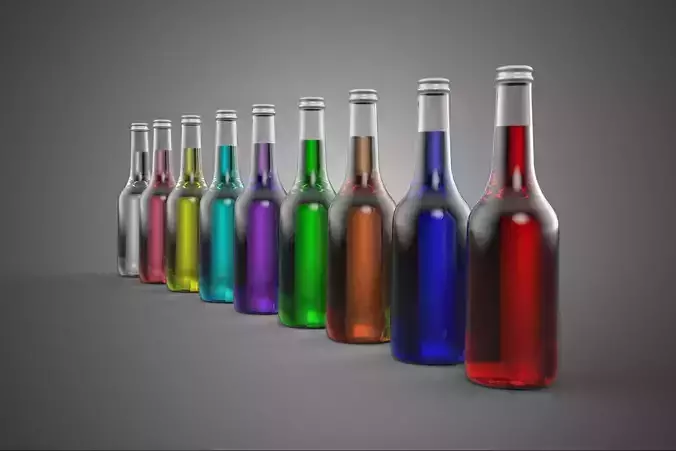
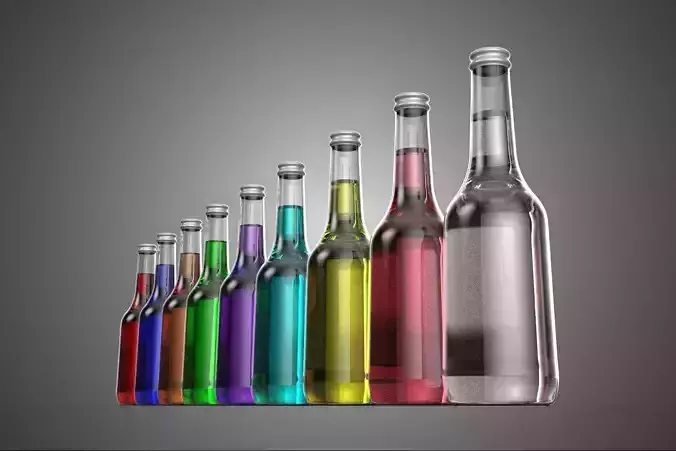
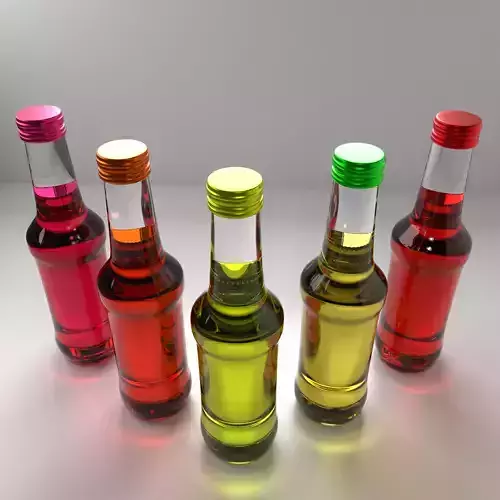
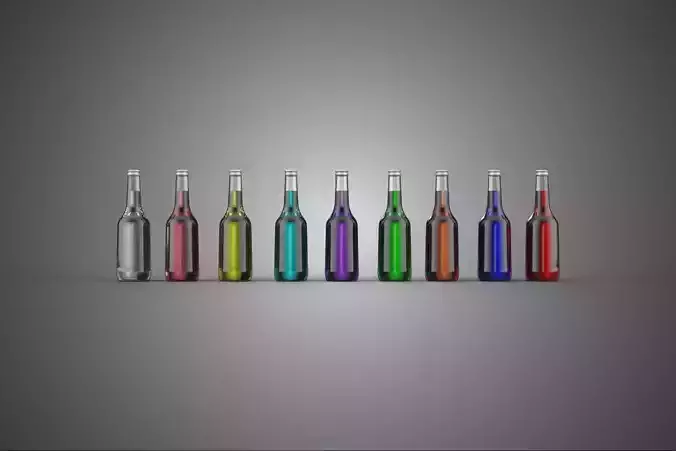
- Aesthetics and Clarity: The transparency of glass allows for visual evaluation of the product's color and texture, which significantly contributes to consumer perception and marketability. The presentation of colored liquids in clearly labeled glass containers is a key element of retail marketing for this product category.
Applications
Syrups and cordials are versatile components in food service and domestic environments. They are utilized extensively in mixology to create cocktails and mocktails, providing consistent flavor, sweetness, and color. They are also essential in the preparation of flavored sodas, iced tea, and specialty coffees, acting as standardized beverage additives. Culinary uses include flavoring baked goods, drizzling over desserts (e.g., pancakes or ice cream), and creating glazes.
KEYWORDS: Concentrate, Mixer, Dilution, Sucrose, Non-alcoholic, Viscosity, Flavoring agent, Beverage base, Glass packaging, Preservation, Sweetener, Cordial, Syrup, Aqueous solution, Citric acid, Mixology, Soft drink, Shelf-stable, High Brix, Extract, Essence, Inert container, Bottling, Commercial product, Culinary ingredient, Osmotic pressure, Fructose, Non-alcoholic tonic, Liquid preparation, Beverage additive.