High-quality 3D assets at affordable prices — trusted by designers, engineers, and creators worldwide. Made with care to be versatile, accessible, and ready for your pipeline.
Included File Formats
This model is provided in 14 widely supported formats, ensuring maximum compatibility:
• - FBX (.fbx) – Standard format for most 3D software and pipelines
• - OBJ + MTL (.obj, .mtl) – Wavefront format, widely used and compatible
• - STL (.stl) – Exported mesh geometry; may be suitable for 3D printing with adjustments
• - STEP (.step, .stp) – CAD format using NURBS surfaces
• - IGES (.iges, .igs) – Common format for CAD/CAM and engineering workflows (NURBS)
• - SAT (.sat) – ACIS solid model format (NURBS)
• - DAE (.dae) – Collada format for 3D applications and animations
• - glTF (.glb) – Modern, lightweight format for web, AR, and real-time engines
• - 3DS (.3ds) – Legacy format with broad software support
• - 3ds Max (.max) – Provided for 3ds Max users
• - Blender (.blend) – Provided for Blender users
• - SketchUp (.skp) – Compatible with all SketchUp versions
• - AutoCAD (.dwg) – Suitable for technical and architectural workflows
• - Rhino (.3dm) – Provided for Rhino users
Model Info
• - All files are checked and tested for integrity and correct content
• - Geometry uses real-world scale; model resolution varies depending on the product (high or low poly)
• • - Scene setup and mesh structure may vary depending on model complexity
• - Rendered using Luxion KeyShot
• - Affordable price with professional detailing
Buy with confidence. Quality and compatibility guaranteed.
If you have any questions about the file formats, feel free to send us a message — we're happy to assist you!
Sincerely,
SURF3D
Trusted source for professional and affordable 3D models.
More Information About 3D Model :
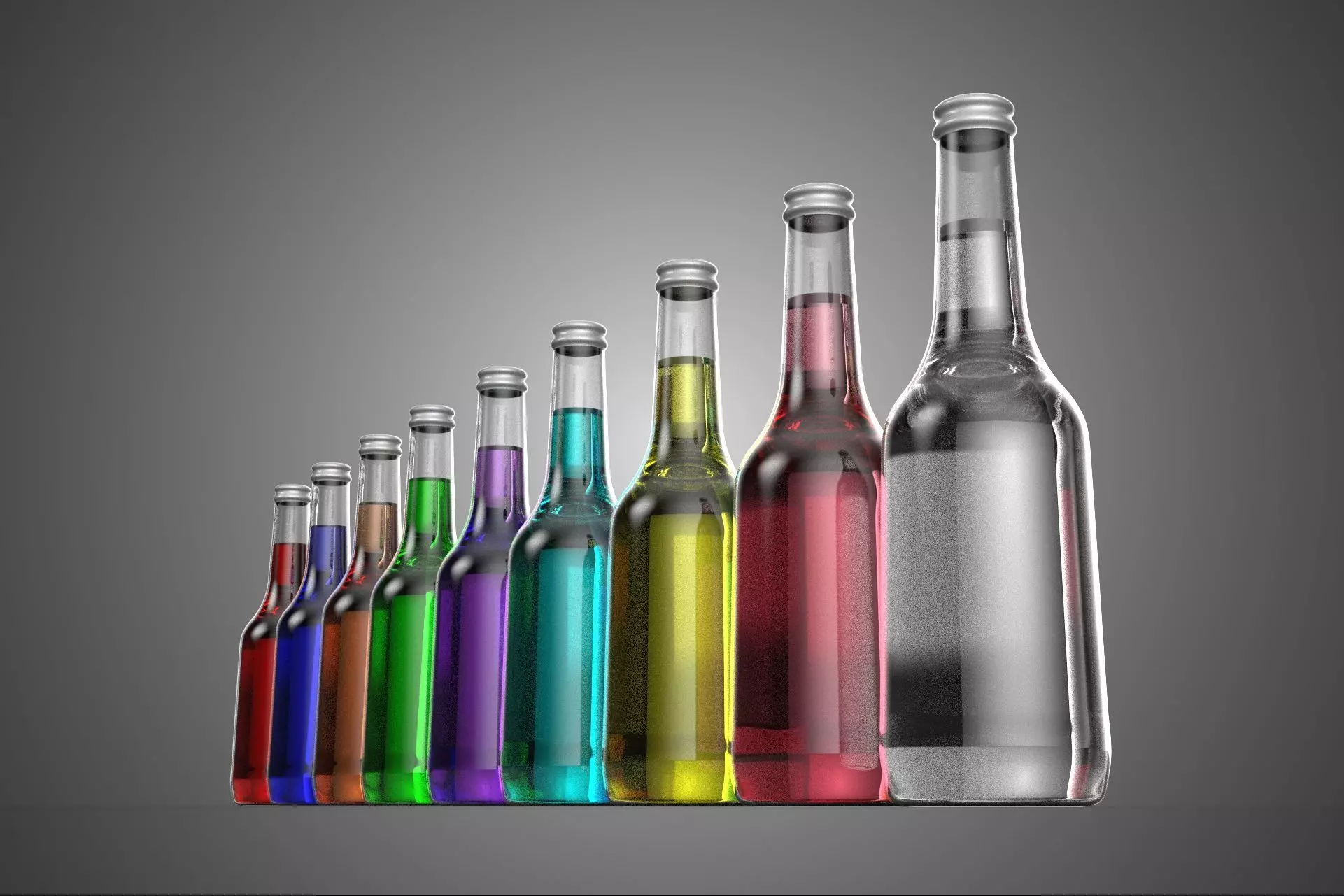
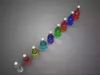
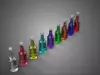
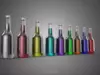
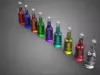
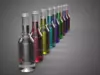
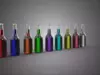
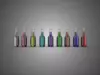
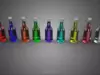
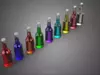
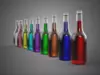
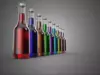
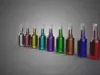
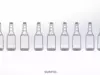
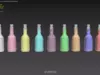
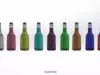
The NON-ALCOHOLIC PURE REFRESHMENT FLAVOR BEVERAGE SOFT DRINK BOTTLE refers to a specific, commercially packaged, potable liquid product formulated for immediate consumption, characterized by its zero or negligible ethanol content, primary function as a thirst-quencher, inclusion of specific flavor systems, and enclosure within a hermetically sealed bottle.
I. Nomenclature and Classification
This product is categorized fundamentally as a Soft Drink (Soda/Pop), defined globally as a mass-market beverage, typically carbonated (though not exclusively), sweetened, and containing no significant alcohol. The designation NON-ALCOHOLIC confirms that the liquid adheres to regulatory standards mandating an ethanol concentration typically below 0.5% Alcohol By Volume (ABV).
The descriptors PURE REFRESHMENT FLAVOR function primarily as marketing and sensory specifications. Refreshment denotes the intended physiological effect—the reduction of thirst and sensory satisfaction—while Flavor indicates the central role of added flavorants (natural, artificial, or a blend) that define the product’s taste profile, differentiating it from plain water or unflavored beverages. Pure generally implies a clean, unadulterated flavor profile, though its regulatory meaning varies by jurisdiction regarding the source of ingredients.
II. Composition and Formulation
The standard formulation of this beverage type relies upon four core components:
1. Solvent (Water): High-quality, purified, and often deionized water forms the bulk of the solution. Water treatment is crucial to ensure sterility and prevent off-tastes caused by mineral content.
2. Sweetening System: Soft drinks utilize caloric sweeteners (e.g., sucrose, high-fructose corn syrup, glucose-fructose syrup) or non-nutritive sweeteners (NNS) (e.g., aspartame, sucralose, steviol glycosides) to achieve the desired level of palatability. The choice of sweetener affects the beverage’s viscosity and mouthfeel.
3. Flavorants and Colorants: The Flavor component is achieved through complex systems incorporating essential oils, fruit extracts, botanical compounds, and/or synthetic aromatic chemicals. Common flavor profiles range from single-fruit notes (citrus, berry) to complex spice or cola formulations. Safe, food-grade colorants are frequently added to enhance visual appeal, corresponding to the flavor profile (e.g., yellow for lemon).
4. Acidulants and Stabilizers: Acidulants, typically citric acid, phosphoric acid, or malic acid, serve two primary functions: balancing the sweetness (known as 'sugar-acid balance') and acting as mild preservatives by lowering the pH to inhibit microbial growth. Preservatives (such as sodium benzoate or potassium sorbate) further extend the product’s shelf life.
III. Packaging (The Bottle)
The packaging, specifically the BOTTLE, is integral to the product’s delivery, preservation, and branding. Bottles provide distinct advantages in material integrity and re-sealing capability compared to other formats (e.g., cans or cartons).
Materials: Bottles are predominantly manufactured from two materials:
- Polyethylene Terephthalate (PET): Lightweight, shatter-resistant plastic, highly favored for its recyclability, low cost, and transparency. PET bottles are the industry standard for single-serve and multi-serving soft drinks.
- Glass: Used primarily for premium products or those where maintaining the precise flavor integrity over long periods (due to glass’s superior barrier properties against oxygen ingress) is paramount. Glass offers a non-reactive surface.
Functionality: The bottling process involves hot- or cold-filling the sterilized liquid, followed by hermetic sealing using screw caps or crown caps. This sealing process creates a barrier against external contaminants, preserves carbonation (if present), and maintains product safety throughout the distribution chain, thus defining the product's shelf stability. The form factor of the bottle is also a key component of branding and consumer convenience.
KEYWORDS: Soft Drink, Non-Alcoholic Beverage, Refreshment, Flavored Drink, Bottled Water, Carbonated, PET Bottle, Glass Bottle, Beverage Industry, Packaging, Flavorant, Sweetener, Acidulant, Preservative, Thirst-Quencher, Liquid Product, Food Safety, Shelf Stability, Consumer Good, Proprietary Formula, Formulation, Additives, Zero ABV, Single Serve, Mass Market, Potable Liquid, Distribution Chain, Quality Control, Hydration, Regulatory Standard.