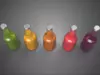
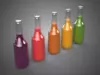
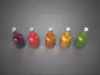
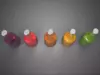
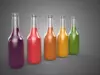
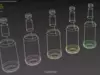
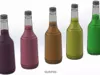
High-quality 3D assets at affordable prices — trusted by designers, engineers, and creators worldwide. Made with care to be versatile, accessible, and ready for your pipeline.
Included File Formats
This model is provided in 14 widely supported formats, ensuring maximum compatibility:
• - FBX (.fbx) – Standard format for most 3D software and pipelines
• - OBJ + MTL (.obj, .mtl) – Wavefront format, widely used and compatible
• - STL (.stl) – Exported mesh geometry; may be suitable for 3D printing with adjustments
• - STEP (.step, .stp) – CAD format using NURBS surfaces
• - IGES (.iges, .igs) – Common format for CAD/CAM and engineering workflows (NURBS)
• - SAT (.sat) – ACIS solid model format (NURBS)
• - DAE (.dae) – Collada format for 3D applications and animations
• - glTF (.glb) – Modern, lightweight format for web, AR, and real-time engines
• - 3DS (.3ds) – Legacy format with broad software support
• - 3ds Max (.max) – Provided for 3ds Max users
• - Blender (.blend) – Provided for Blender users
• - SketchUp (.skp) – Compatible with all SketchUp versions
• - AutoCAD (.dwg) – Suitable for technical and architectural workflows
• - Rhino (.3dm) – Provided for Rhino users
Model Info
• - All files are checked and tested for integrity and correct content
• - Geometry uses real-world scale; model resolution varies depending on the product (high or low poly)
• • - Scene setup and mesh structure may vary depending on model complexity
• - Rendered using Luxion KeyShot
• - Affordable price with professional detailing
Buy with confidence. Quality and compatibility guaranteed.
If you have any questions about the file formats, feel free to send us a message — we're happy to assist you!
Sincerely,
SURF3D
Trusted source for professional and affordable 3D models.
More Information About 3D Model :
Natural Fruit and Vegetable Juices (NFC/HPP Category): Composition, Processing, and Commercialization
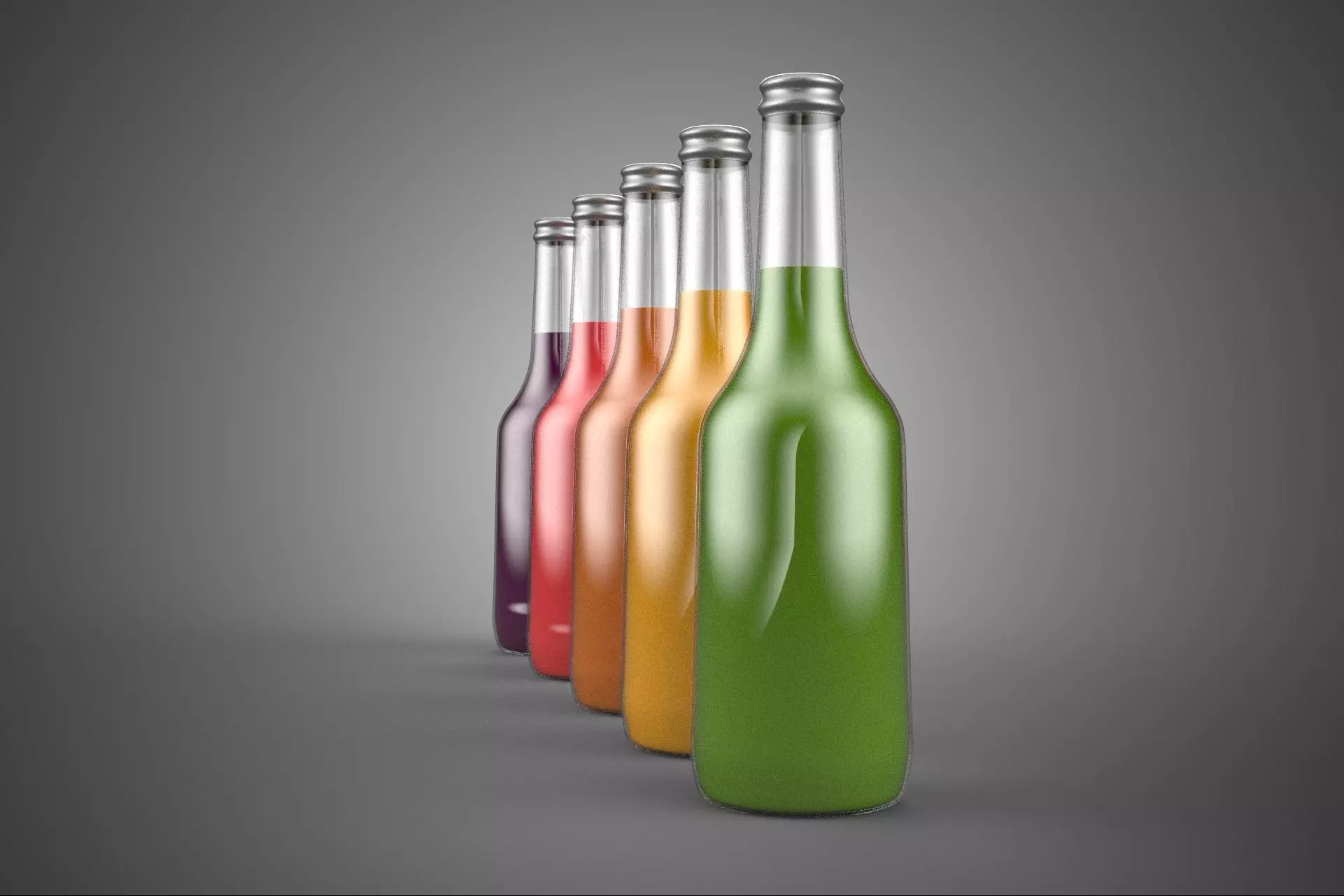
The product category defined as Natural Fruit Vegetable Juices Bottled Liquid Fresh Healthy Pack refers to commercially manufactured beverages derived directly from the mechanical extraction of edible raw fruits and/or vegetables, characterized by minimal processing and an emphasis on retaining the inherent nutritional and sensory profiles of the source materials. These products typically fall under the designation of Not From Concentrate (NFC) juices.
Composition and Definition:
These juices are distinct from reconstituted concentrates in that they are extracted, processed, and packaged without the intermediate step of significant water removal and subsequent addition. Ingredients are strictly natural, focusing on whole fruit and vegetable components. The healthy designation is primarily supported by the inherent presence of vitamins (e.g., Ascorbic Acid, Folic Acid), minerals (e.g., Potassium, Magnesium), and high concentrations of phytonutrients and antioxidants (e.g., polyphenols, carotenoids). Additives, specifically refined sugars, artificial colorings, or synthetic flavor enhancers, are generally excluded to maintain natural and clean label criteria. Formulations may include mixed blends, single-source juices, or specialized functional combinations (e.g., high-fiber retention, green vegetable predominance).
Processing for Freshness and Stability:
To satisfy the market demand for fresh characteristics while ensuring microbiological safety and extended shelf life, specialized processing techniques are employed.
- Cold-Pressing: This method utilizes hydraulic pressure to extract the liquid, minimizing the thermal friction typically associated with centrifugal juicers. This low-temperature extraction is critical for preserving heat-sensitive nutrients, volatile aroma compounds, and enzymatic activity, which contribute significantly to the perceived fresh quality.
- Stabilization: Post-extraction, the liquid requires stabilization to inhibit spoilage organisms. While conventional thermal pasteurization (High-Temperature Short-Time – HTST) is used, advanced manufacturers increasingly utilize High-Pressure Processing (HPP), also known as Pascalization. HPP subjects the packaged juice to extreme hydrostatic pressure (up to 6,000 bar), inactivating pathogens and extending shelf stability without utilizing significant heat, thereby maximizing the retention of nutritional integrity and sensory freshness. Products treated with HPP often require continuous refrigeration (chilled pack distribution).
Packaging and Distribution (Bottles/Pack):
The final liquid product is distributed in a pack, typically single-serving or multi-serving bottles. The choice of packaging material—most commonly Polyethylene Terephthalate (PET) or glass—is based on its ability to provide high barrier protection against oxygen ingress and light exposure, which can degrade vitamins and accelerate oxidative rancidity. Aseptic filling procedures are mandated to prevent contamination prior to sealing. The pack design often emphasizes transparency to showcase the natural color and consistency of the juice, reinforcing the perception of freshness and quality.
Nutritional and Market Relevance:
These juices serve as a significant source of immediate hydration and nutrient supplementation, aligning with growing consumer trends toward wellness, dietary supplementation, and convenient, on-the-go consumption. Regulatory frameworks govern the use of terms like natural, fresh, and healthy, often requiring clear distinction regarding processing methods and the inclusion of any added substances.
KEYWORDS: Not From Concentrate, NFC, Cold-Pressed, High-Pressure Processing, HPP, Pascalization, Functional Beverage, Aseptic Filling, Clean Label, Fruit Juice, Vegetable Juice, Bottled Liquid, PET Packaging, Glass Bottles, Nutritional Integrity, Shelf Stability, Minimal Processing, Phytochemicals, Antioxidants, Vitamins, Detoxification, Hydration, Pasteurization, Chilled Pack, Raw Juice, Non-Alcoholic, Functional Food, Liquid Extraction, Supply Chain, Commercial Beverage.