High-quality 3D assets at affordable prices — trusted by designers, engineers, and creators worldwide. Made with care to be versatile, accessible, and ready for your pipeline.
Included File Formats
This model is provided in 14 widely supported formats, ensuring maximum compatibility:
• - FBX (.fbx) – Standard format for most 3D software and pipelines
• - OBJ + MTL (.obj, .mtl) – Wavefront format, widely used and compatible
• - STL (.stl) – Exported mesh geometry; may be suitable for 3D printing with adjustments
• - STEP (.step, .stp) – CAD format using NURBS surfaces
• - IGES (.iges, .igs) – Common format for CAD/CAM and engineering workflows (NURBS)
• - SAT (.sat) – ACIS solid model format (NURBS)
• - DAE (.dae) – Collada format for 3D applications and animations
• - glTF (.glb) – Modern, lightweight format for web, AR, and real-time engines
• - 3DS (.3ds) – Legacy format with broad software support
• - 3ds Max (.max) – Provided for 3ds Max users
• - Blender (.blend) – Provided for Blender users
• - SketchUp (.skp) – Compatible with all SketchUp versions
• - AutoCAD (.dwg) – Suitable for technical and architectural workflows
• - Rhino (.3dm) – Provided for Rhino users
Model Info
• - All files are checked and tested for integrity and correct content
• - Geometry uses real-world scale; model resolution varies depending on the product (high or low poly)
• • - Scene setup and mesh structure may vary depending on model complexity
• - Rendered using Luxion KeyShot
• - Affordable price with professional detailing
Buy with confidence. Quality and compatibility guaranteed.
If you have any questions about the file formats, feel free to send us a message — we're happy to assist you!
Sincerely,
SURF3D
Trusted source for professional and affordable 3D models.
More Information About 3D Model :
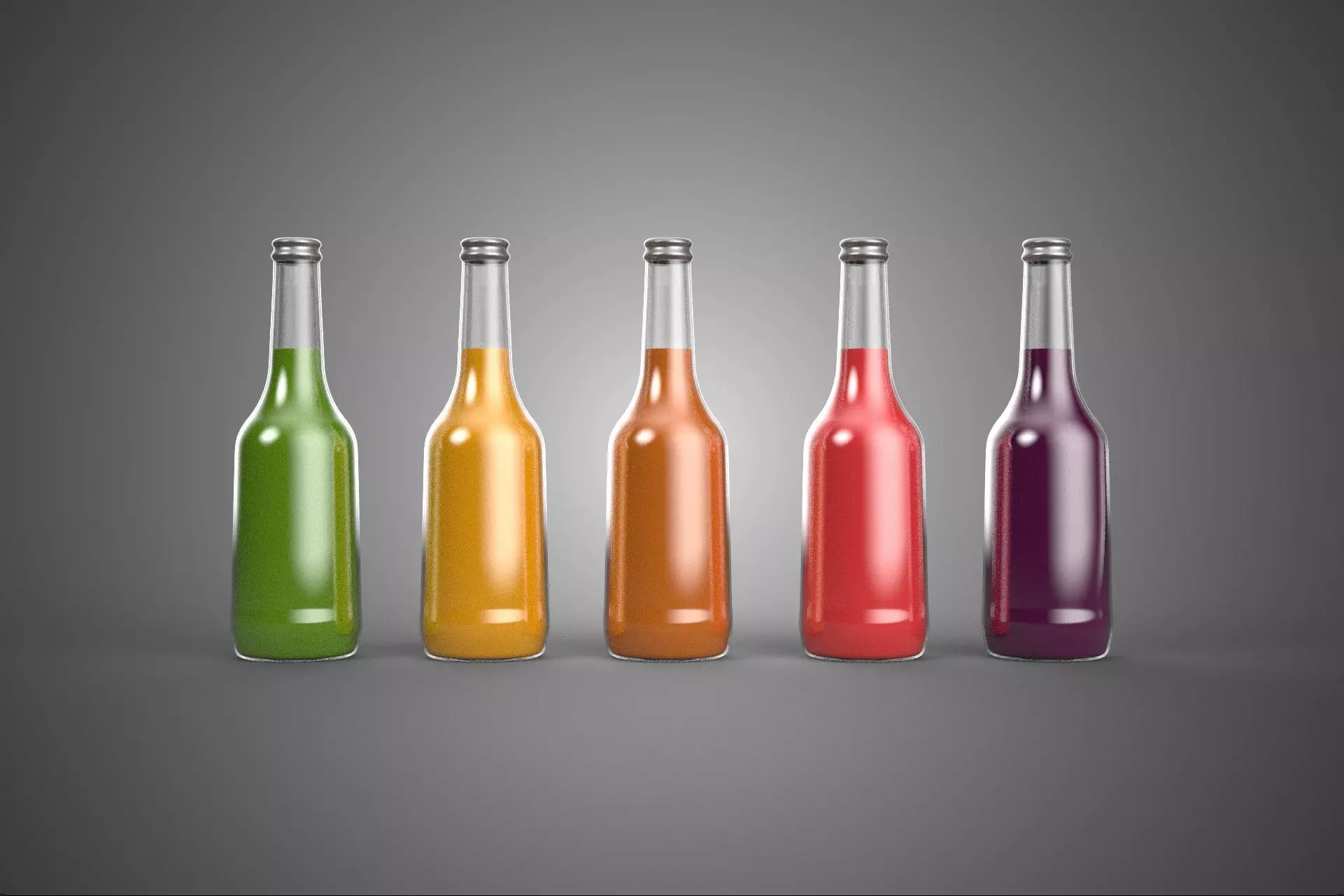
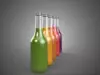
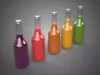
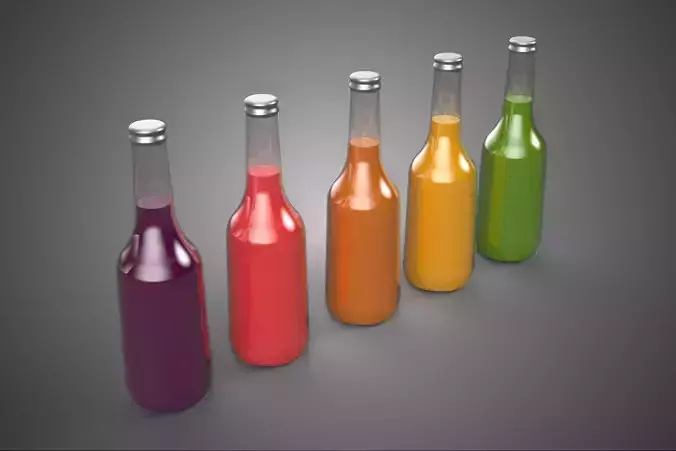
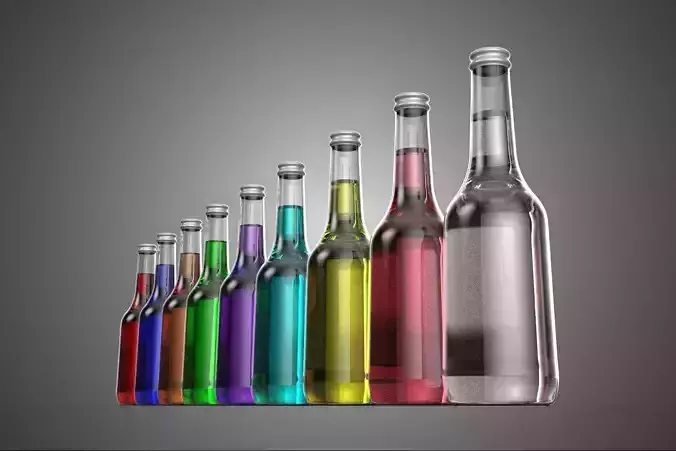
Mixed Fruit Vegetable Juice in Glass Bottle Packaging: A Comprehensive Overview
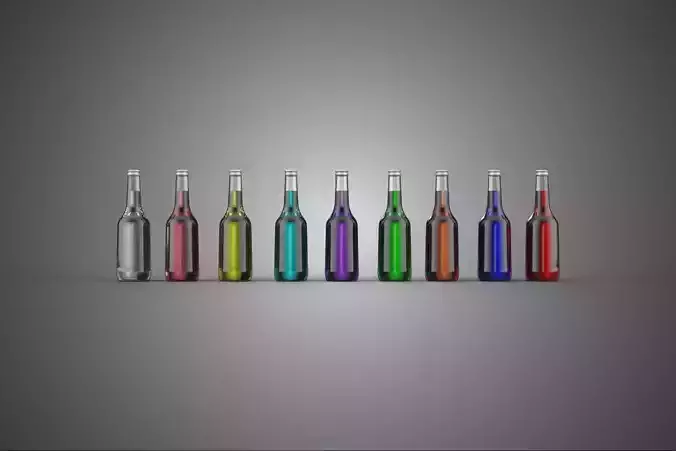
The subject of Mixed Fruit Vegetable Juice Glass Bottle Crop Veggie Collection refers to a distinct category of non-alcoholic beverages characterized by the synergistic blending of primary extracts, purées, and concentrates derived from both cultivated fruits and vegetables (the crop veggie collection), typically contained within a sealed glass bottle format. This beverage segment is integral to the functional food and health and wellness markets, prioritizing convenience, nutritional density, and extended shelf stability.
I. Composition and Formulation (Crop Veggie Collection)
Mixed produce juices (often referred to as FV-mix or blended green/red juices) are meticulously formulated to optimize both organoleptic properties and nutritional profiles. The ingredients utilized span a wide range of agricultural products, classified based on their functional contribution:
- Vegetable Base (Structure and Nutrients): Vegetables, including roots (carrot, beet), leafy greens (kale, spinach, celery), and savory items (tomato, cucumber), typically form the foundational body of the juice. These components are valued for their low caloric density, high fiber content (if minimally filtered), and concentration of micronutrients, including provitamin A carotenoids, vitamin K, and dietary nitrates.
- Fruit Modifiers (Palatability and Sweetness): Fruits such as apples, oranges, pineapple, berries (e.g., blueberry, raspberry), and grapes are incorporated primarily to enhance flavor complexity, balance the potential bitterness or earthiness of vegetable constituents, and provide natural sweetness via fructose and glucose content. They also contribute significant levels of Vitamin C and various polyphenolic antioxidants.
- Functional Additives: Certain botanical extracts, superfoods (e.g., ginger, turmeric, wheatgrass), and essential oils may be added in trace amounts to provide targeted health benefits or flavor accents, further defining the specificity of the product formulation.
The formulation process requires precise control over critical parameters, including pH (often slightly acidic due to fruit content, aiding preservation), Brix level (sugar content), and viscosity, ensuring consumer acceptance and consistent quality across batches derived from seasonally variable crops.
### II. Processing and Preservation Techniques
To ensure microbial safety and extend shelf life—crucial for commercially distributed products packaged in glass bottles—several processing technologies are employed:
- Thermal Pasteurization (HTST): The most common method involves High-Temperature Short-Time (HTST) pasteurization, where the juice is rapidly heated and cooled prior to aseptic filling into the glass bottles. This process inactivates pathogens and spoilage microorganisms while aiming to minimize thermal degradation of heat-sensitive vitamins and volatile flavor compounds.
- High-Pressure Processing (HPP): A non-thermal preservation technique increasingly utilized for premium, refrigerated FV-mix products. HPP subjects the sealed product within the glass bottle to intense hydrostatic pressure, effectively sterilizing the juice without relying on heat. This method retains a fresher flavor profile and superior nutritional integrity compared to traditional thermal treatments.
### III. Packaging Specification (Glass Bottle)
The selection of glass bottles as the primary packaging format for mixed fruit and vegetable juices is driven by material science advantages and market positioning:
- Inertness and Barrier Properties: Glass is chemically inert, meaning it does not leach compounds into the product, nor does it absorb flavors or odors from the juice. This non-porous nature provides an absolute barrier against oxygen, moisture, and external contaminants, crucial for preventing oxidation of sensitive nutrients (e.g., Vitamin C) and maintaining the delicate flavor balance of the blend.
- Aesthetics and Consumer Perception: Glass packaging is often associated by consumers with premium quality, purity, and transparency (visually demonstrating the color and texture of the blend).
- Sustainability: Glass bottles possess a high post-consumer recyclability rate, aligning with modern corporate sustainability goals and catering to environmentally conscious consumers. The rigidity of the glass also permits robust handling during processing, including intense pasteurization or HPP cycles.
### IV. Market Significance
The mixed fruit and vegetable juice segment serves as a key component of the global functional beverage sector. By combining the natural sweetness of fruits with the concentrated nutrients of vegetables, these products offer a palatable delivery system for daily produce intake, appealing to consumers seeking convenient dietary supplementation and preventative wellness options.
KEYWORDS: Functional Beverage, Juice Blends, Vegetable Juice, Fruit Juice, Glass Packaging, High-Pressure Processing, Pasteurization, Nutritional Integrity, Crop Selection, Produce Extracts, Phytonutrients, Vitamin Content, Antioxidants, Shelf Stability, Organoleptic Quality, Aseptic Filling, Beverage Industry, Health and Wellness, Agricultural Products, Formulation Science, Brix Level, Viscosity Control, Sustainable Packaging, Premium Quality, Non-Alcoholic, Carotenoids, Leafy Greens, Root Vegetables, Food Technology, Supply Chain.