Free AI Image Generator for Storyboarding
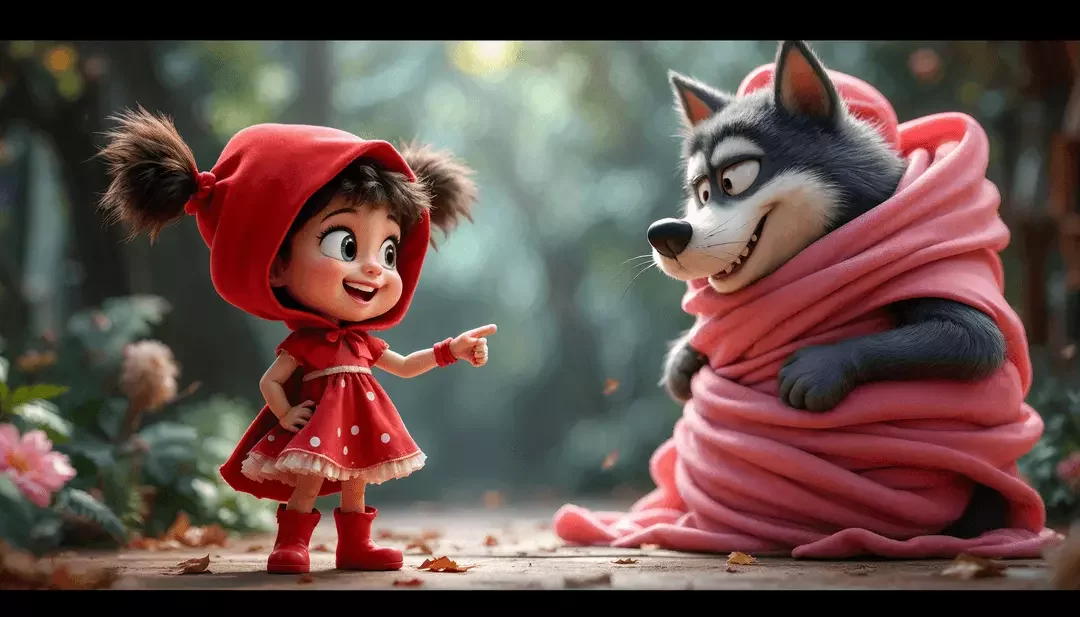
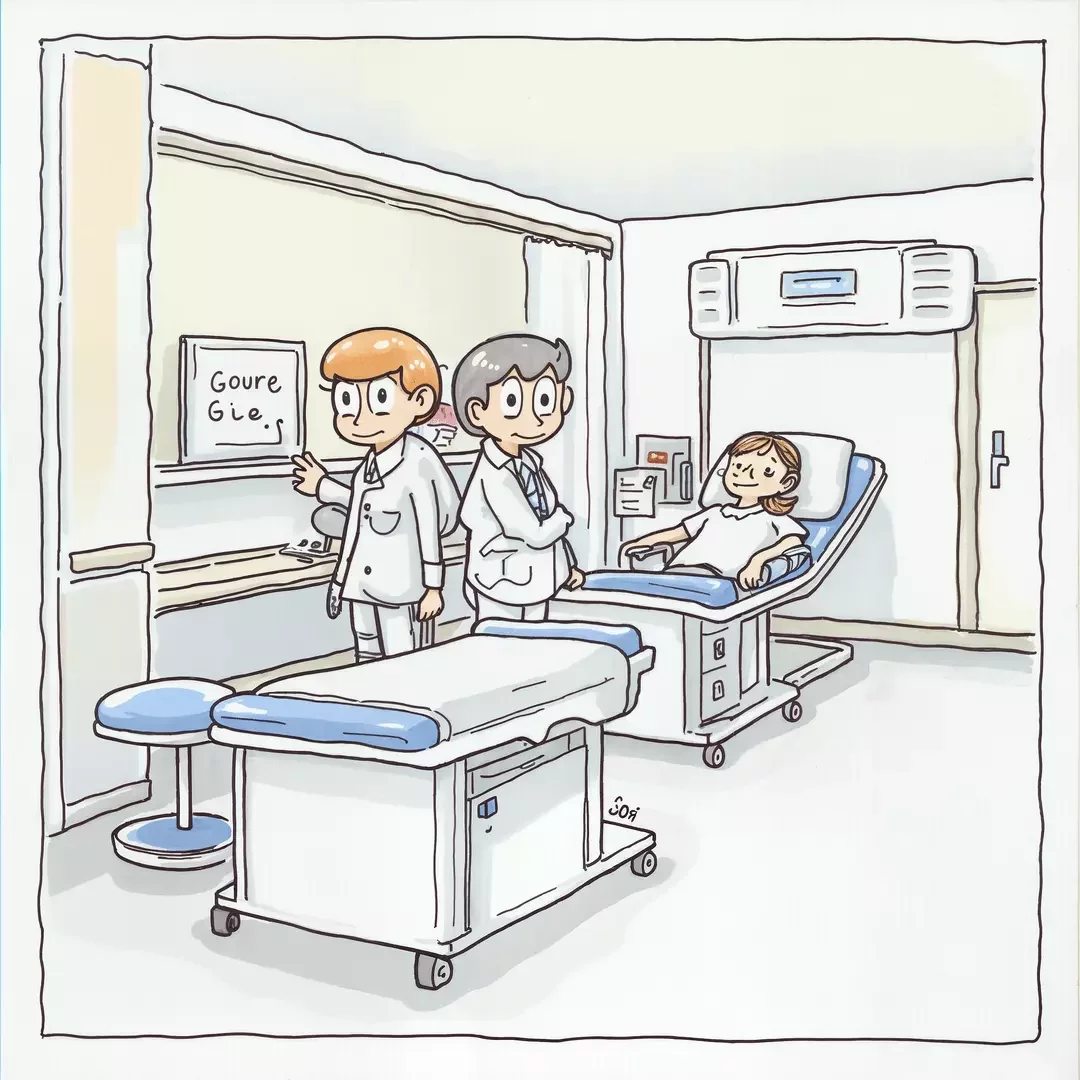
Discover a practical and accessible tool designed for creative professionals and enthusiasts alike. Our ai image generator for storyboarding empowers comic book and graphic novel artists, animators, and game designers to craft visual narratives effortlessly. With storyboarding—a process that maps out scenes and sequences—users can visualize and plan their projects with clarity. Powered by advanced image models FLUX.2 Pro and Nano Banana, this tool offers precise and consistent imagery to support every stage of your creative workflow.
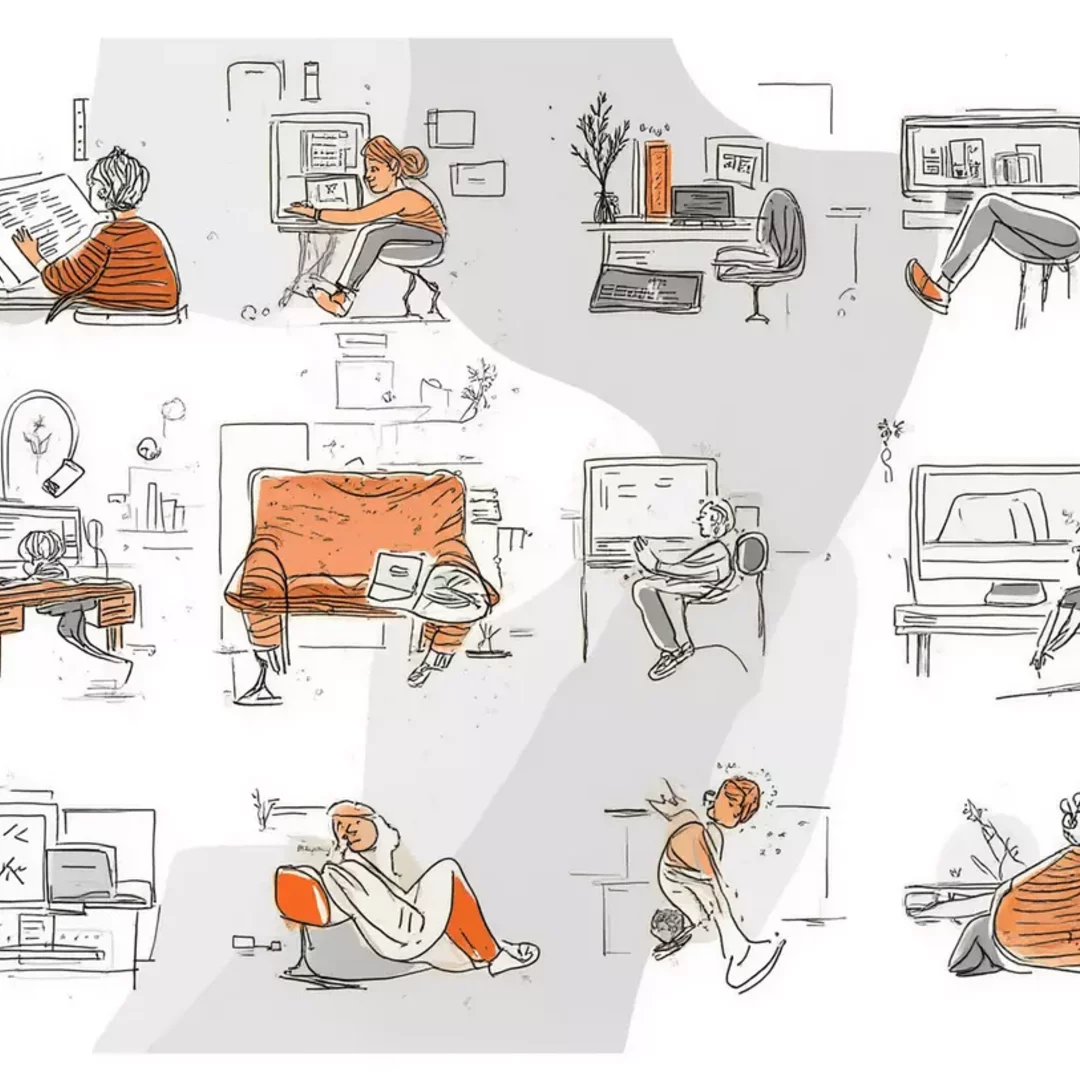
Create stunning storyboards faster with AI-generated images
Streamline your creative process with our efficient approach to storyboard creation. Use the uploaded image as a reference to kickstart your design, then refine and expand it with detailed text prompts. This system helps quickly generate a wide range of visual ideas, cutting down on manual sketches and extensive revisions, reducing early-stage production costs and empowering non-artists to bring their visions to life.
- Upload Reference Inputs: Begin by selecting a photo that serves as your visual guide, ensuring the AI understands your design context.
- Enter a Prompt: Describe your desired scene or character in detail, including style, layout, and ambiance to direct the creative process.
- Apply a Style: Enhance your image by applying the style of a reference image to refine the overall aesthetic and quality.
- Choose a Model & Generate: Opt for FLUX.2 Pro or Nano Banana, then click Generate to obtain detailed, coherent visuals.
- Review and Iterate: Fine-tune the output by adjusting your inputs until your storyboard perfectly aligns with your vision.
Frequently Asked Questions
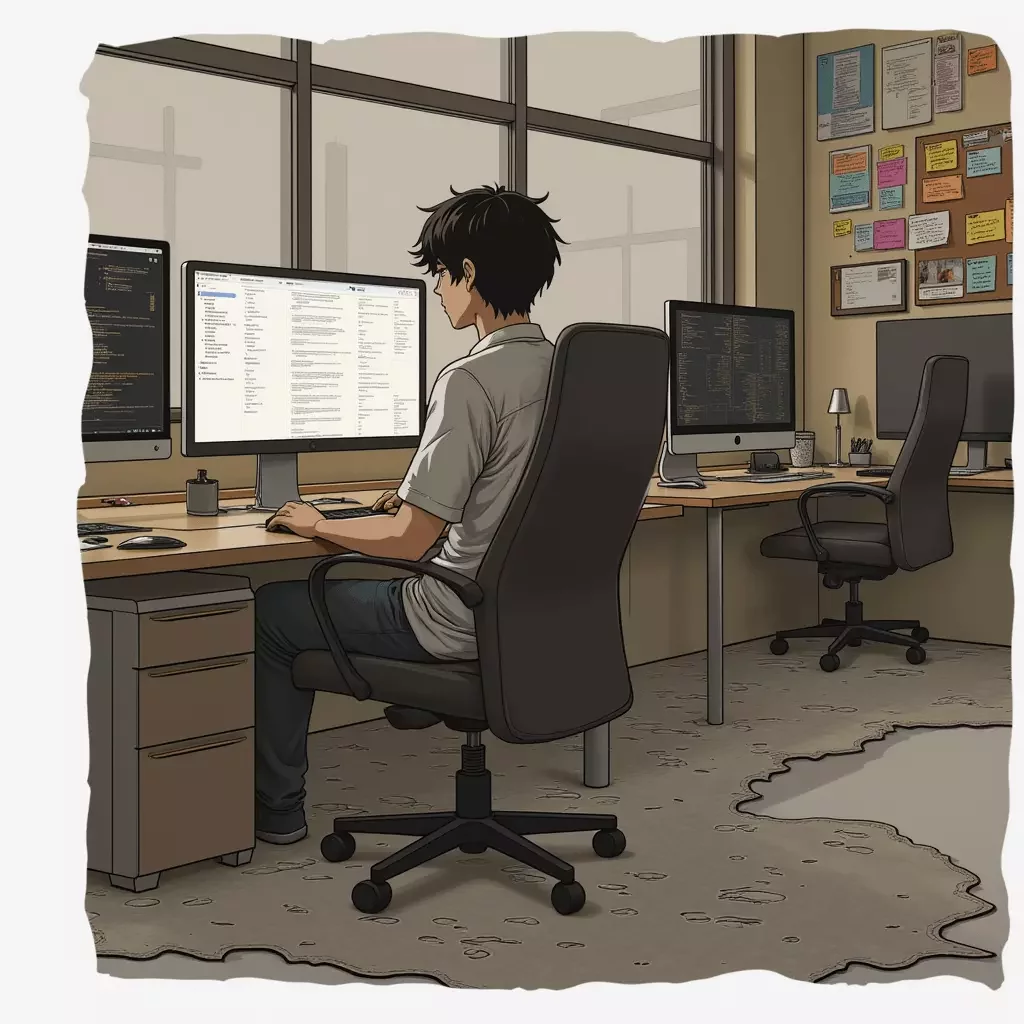
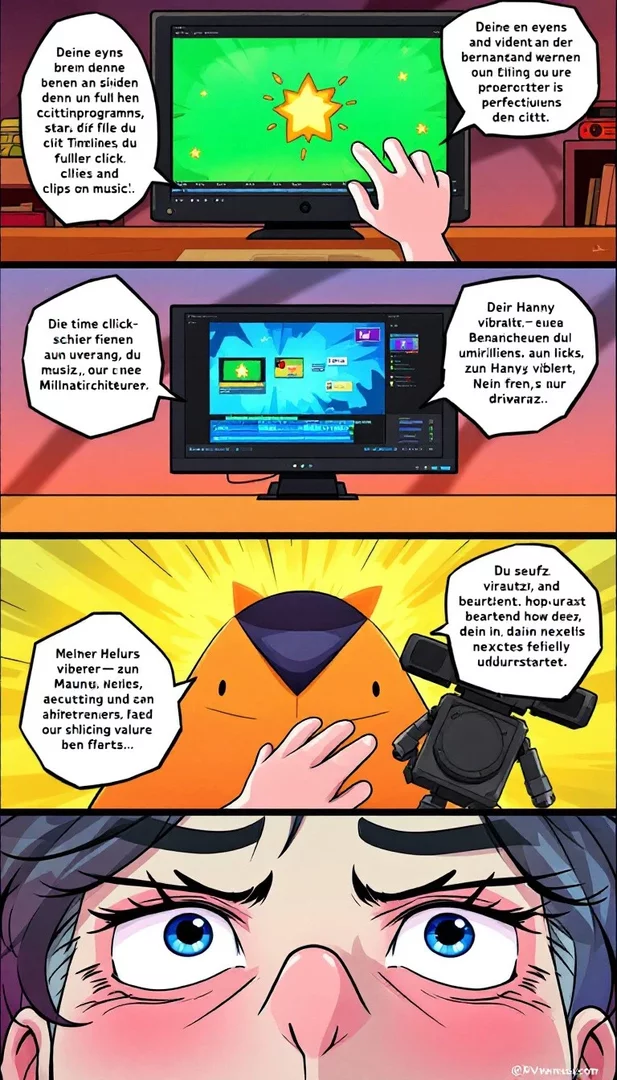
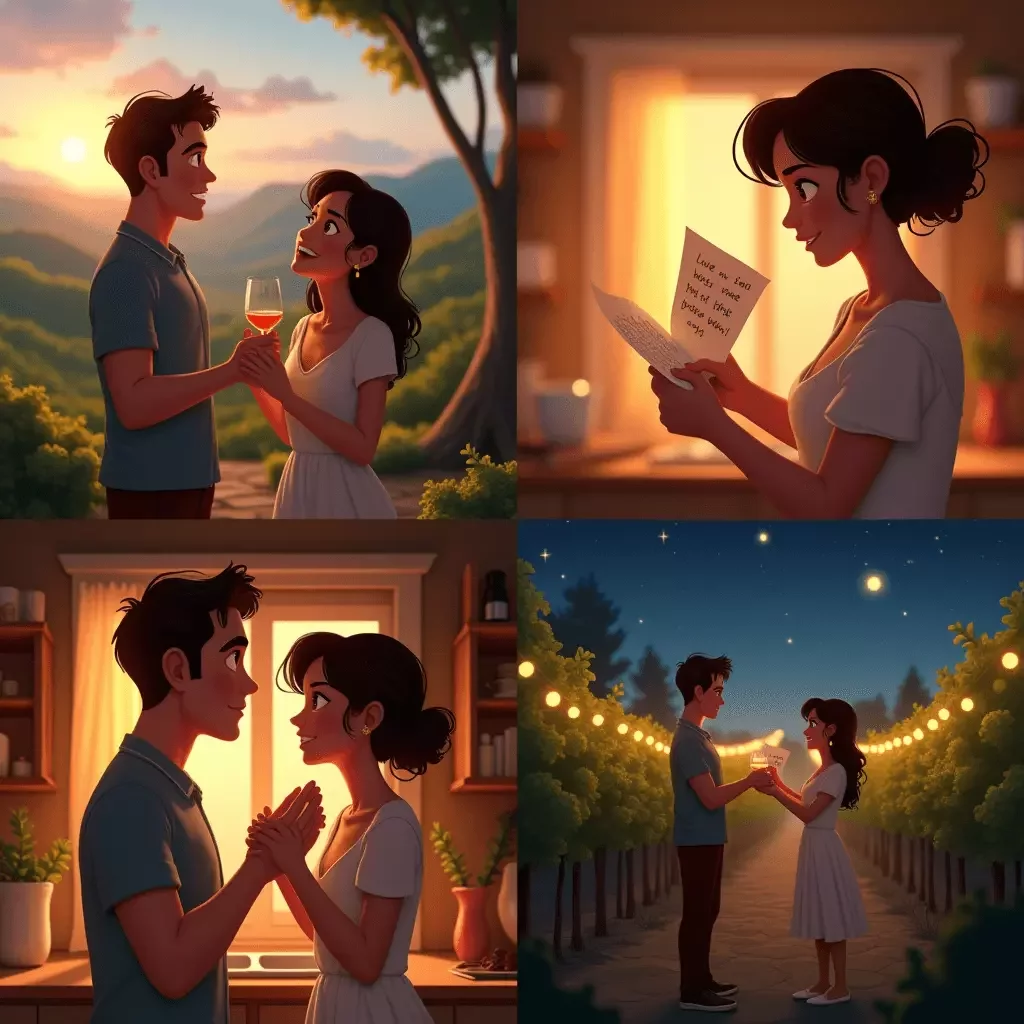
A sample storyboard can be as simple as a series of panels outlining key scenes in your narrative. Typically, each panel may include a rough sketch that captures the essence of the scene, a brief description of the setting and action, dialogue annotations, and notes on camera angles or transitions. Many users begin by drafting a basic framework and then using our text-to-image feature to visualize each scene, ensuring the final storyboard reflects the intended narrative flow. Sample templates available online can also serve as excellent starting points for those new to the process.