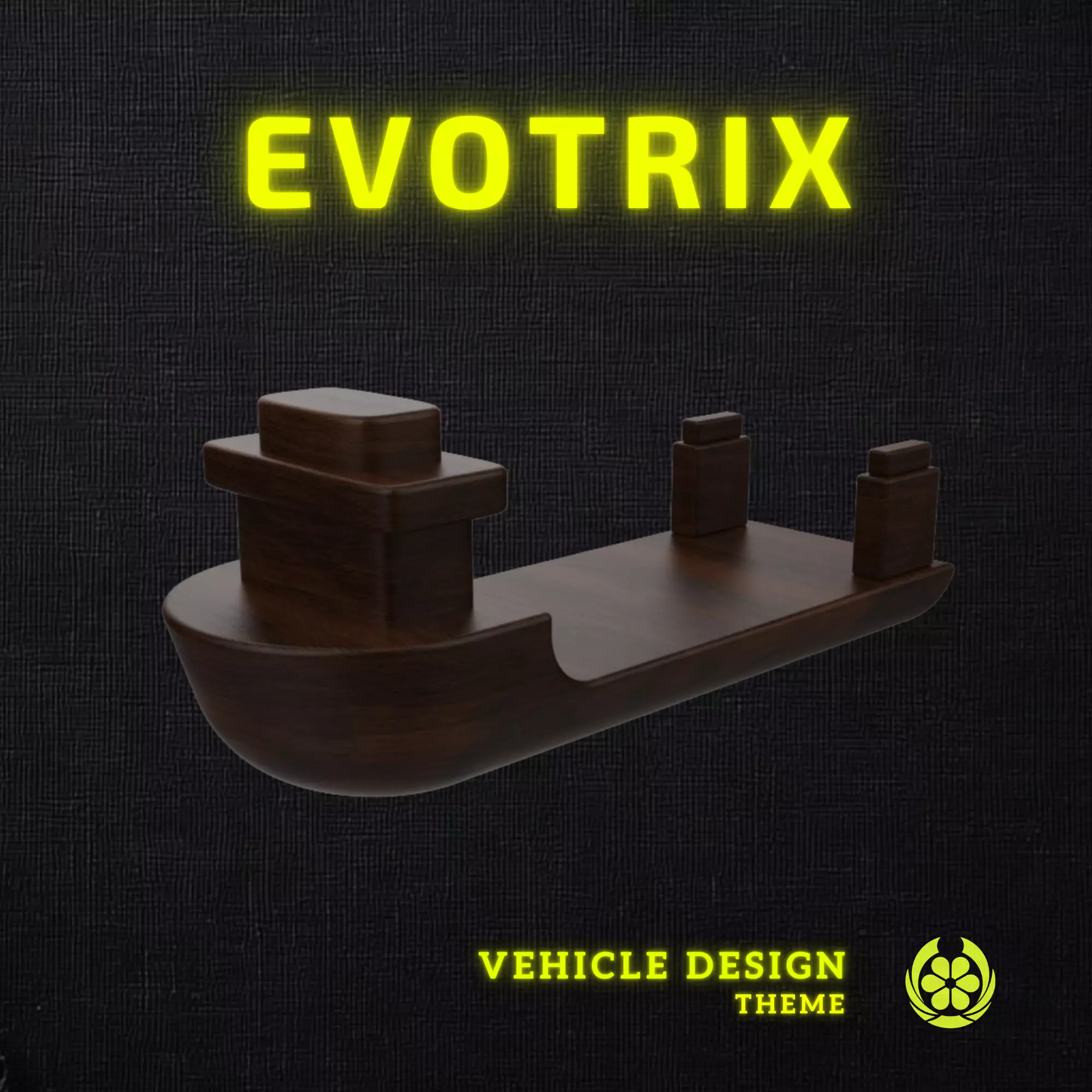
MV Blue Marlin
Introduction to Cargo ShipsCargo ships are the unsung heroes of world trade, ferrying everything from containers to colossal structures across oceans. The MV Blue Marlin exemplifies heavy-lift specialists, submerging its deck to load entire oil platforms or destroyers, then sailing at 13 knots. With a 76,000-ton deadweight, it showcases engineering prowess. Toy versions let kids recreate these feats, teaching physics and logistics through hands-on play.
History of Cargo ShipsHeavy-lift cargo shipping traces to WWII landing craft adapted for post-war salvage, but pioneers like the 1960s Heavy Lift vessels set the stage. Launched in 2000 by Damen Shiprepair, MV Blue Marlin debuted carrying the USS Grayback submarine, gaining fame in 2003 for towing the damaged HSV-2 Swift. Sister ship Black Marlin joined in 2001; both served in Iraq ops and rig relocations. Iconic hauls include Norway's Statfjord B platform, evolving from sail to nuclear-powered behemoths.
Current State of Cargo ShipsModern heavy-lift fleets number ~100 vessels, with Blue Marlin active under BOA Group charters for offshore wind farms and decommissioning. Capacities hit 50,000 tons, using DP2 dynamic positioning amid $300/barrel oil driving demand. Green tech like hybrid propulsion cuts emissions, while autonomous pilots test boundaries. Market growth to $10 billion by 2030 supports renewables, with digital twins optimizing routes in a resilient post-pandemic supply chain.