S.P.Q.R
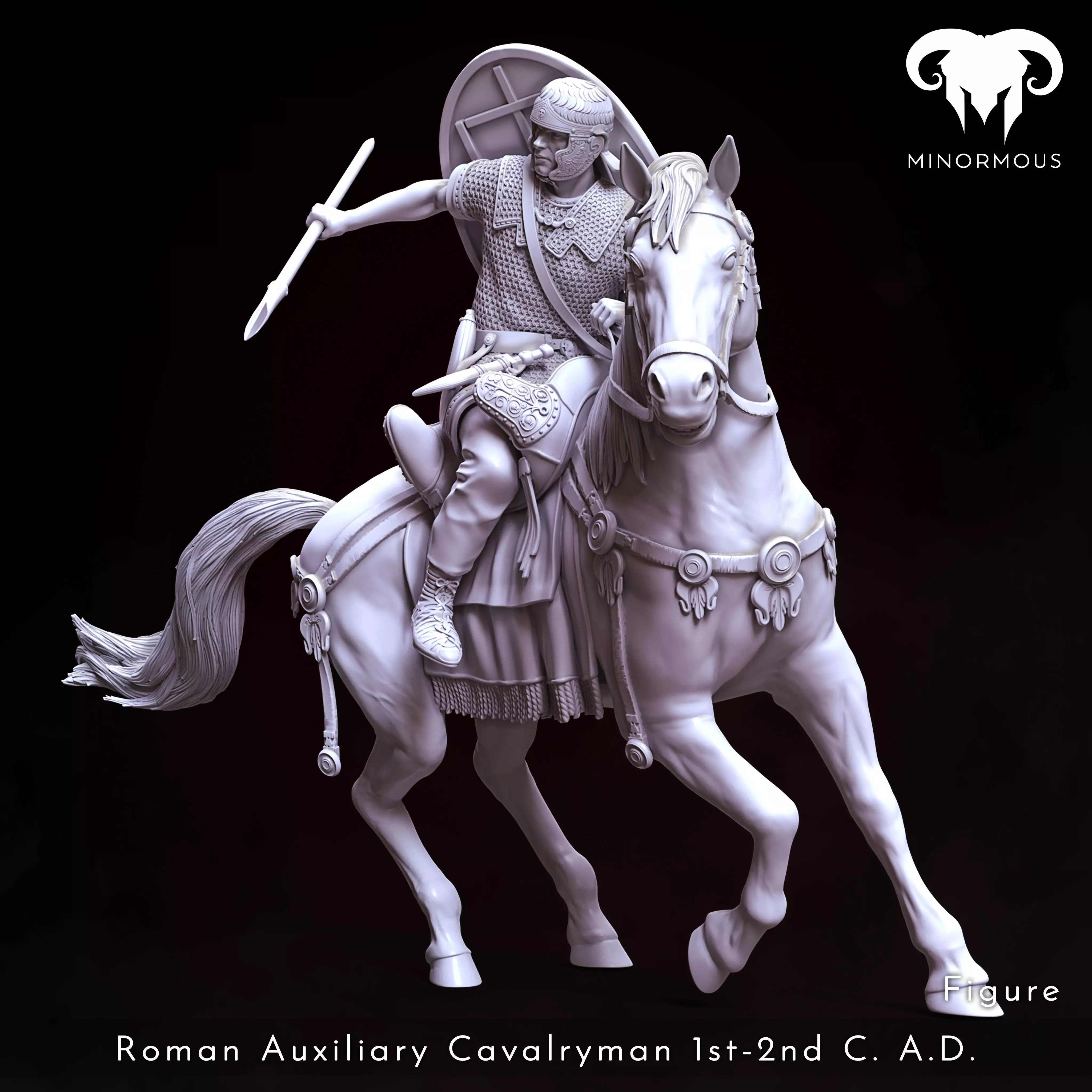
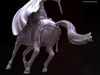
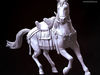
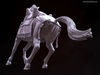
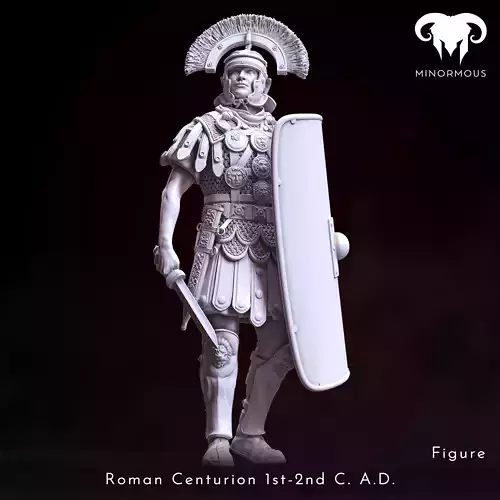
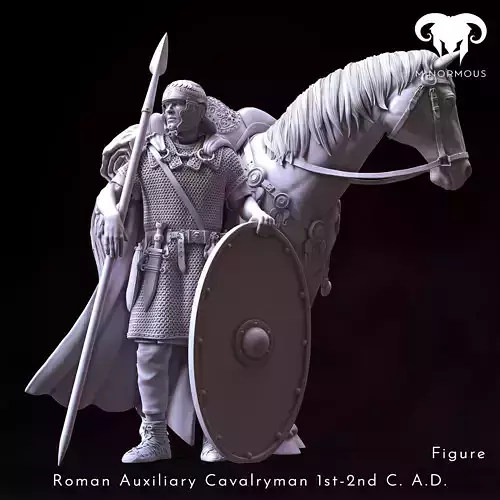
This is the Roman Auxiliary Cavalryman 1st-2nd C. A.D.!
The Roman auxiliary cavalryman was a vital component of the Roman military machine, contributing to the expansive reach and formidable strength of the Roman Empire. These auxiliary cavalry units were comprised of non-citizen soldiers recruited from the various provinces and allied nations under Roman control.
The typical Roman auxiliary cavalryman of this period was known for his adaptability and diverse background. Hailing from regions such as Gaul, Spain, or the eastern provinces, these cavalrymen brought unique skills and combat techniques to the Roman legions. They were often expert horsemen, accustomed to the local breeds and skilled in mounted warfare, which added a dynamic element to the Roman military.
Armed with a variety of weaponry, the Roman auxiliary cavalryman usually wielded a short sword, such as the spatha, for close combat, and a thrusting spear for charges and skirmishes. They were also equipped with a circular or oval-shaped shield, providing them with protection against missile attacks. Additionally, many auxiliary cavalrymen wore segmented armor, such as chainmail or scale armor, for increased defense without compromising mobility.
The Roman auxiliary cavalry served a range of roles on the battlefield, from reconnaissance and skirmishing to shock cavalry charges. Their mobility and versatility made them essential for exploiting weaknesses in enemy formations and pursuing retreating forces. Moreover, their ability to navigate varied terrains, from open fields to rugged landscapes, made them invaluable assets in the diverse theaters of the Roman Empire.
Discipline and training were key aspects of the Roman military ethos, and the auxiliary cavalry underwent rigorous drills to ensure cohesion and effectiveness in battle. This combined arms approach, with the integration of cavalry alongside the renowned Roman legions, exemplified the strategic and tactical prowess that characterized the Roman military during the height of its power in the 1st and 2nd centuries A.D.
Print it, Paint it, and create your story!
Remember to tag us on Instagram or post your creation in our Discord or Facebook Group.Linktree: linktr.ee/MinormousDiscord: discord.gg/pNNXQFkjGGFacebook Group: facebook.com/groups/minormous
Product Details:
This figure is created to be as historically accurate as possible with realistic proportions.
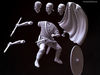
This model comes fully and professionally Pre-Supported!It comes in parts for easier printing and will require assembly.Note: Minor post-processing may be needed for a perfect fit, depending on the resin and shrinkage percentage.
Default Scale:Figures:1:24Busts: 1:10
Scale Guide:
Use these percentages in your slicer to adjust the model to your preferred scale:
For Figures:1:15 scale = 160%1:20 scale = 120%1:24 scale = 100% - Default1:32 scale = 73.33%1:56 scale = 42.7%For Busts:1:10 scale = 100% - Default1:12 scale = 83.33%1:13 scale = 76.92%
FAQ
Q: Can I change the scale of the model for more heroic proportions?A: The proportions will stay the same, but the model will appear larger, giving it a more heroic look. The model is already slightly on the heroic side.
Q: My model is smaller when printed. Why?A: This is likely due to resin shrinkage. Make sure to scale the model up according to your resin's shrinkage percentage. For example, if the resin shrinks 5%, scale all parts to 105% in your slicer.
Q: My model appears small when importing into the slicer. How do I fix that?A: Scale the model up 10 times (or to 1000%) and it should be at the correct default scale.
Q: My model appears red when importing into the slicer and shows topology issues. Why?A: This is most likely a slicer glitch, as we have test-printed our models multiple times with no issues. Join us on Discord to share your experiences.