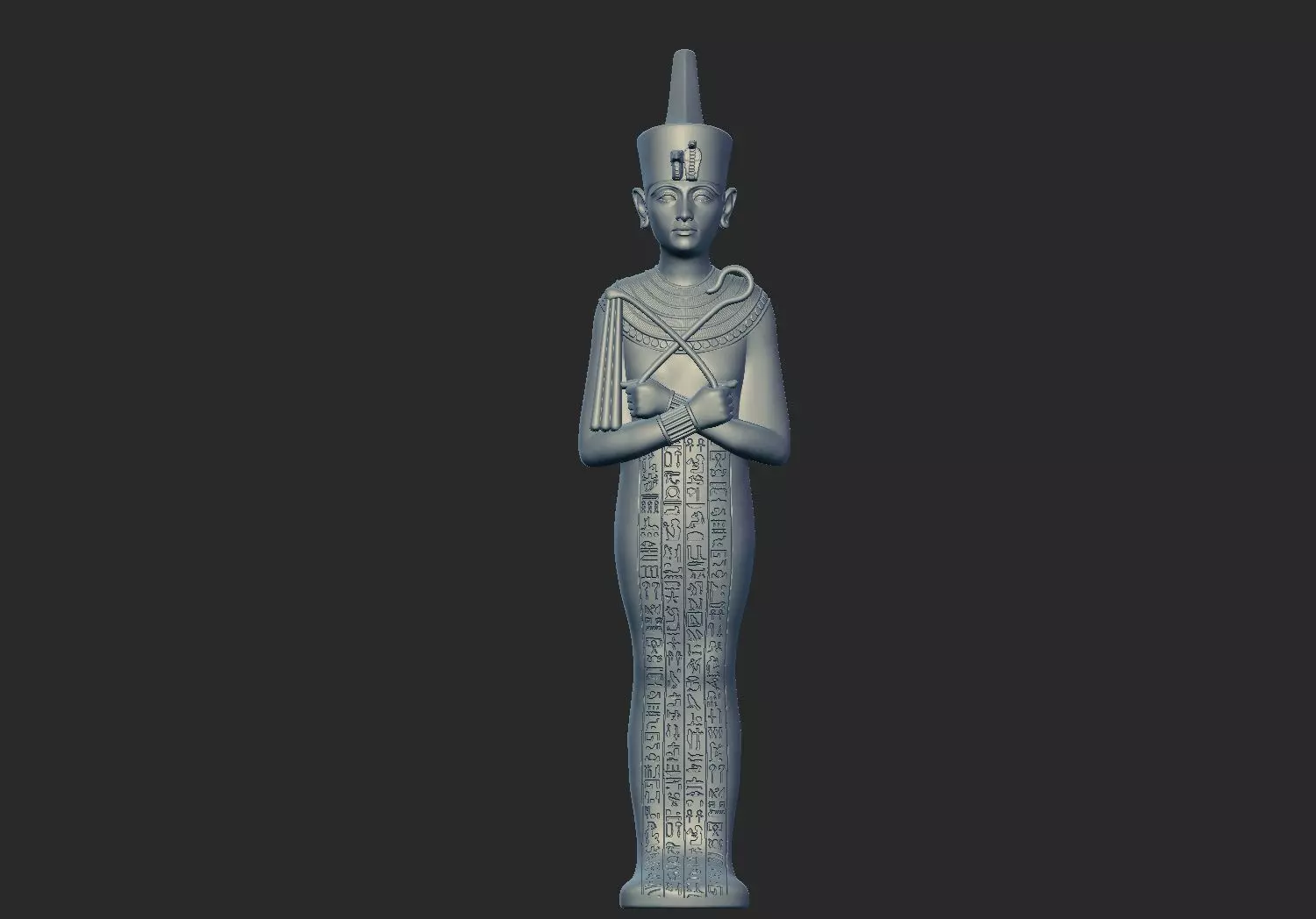
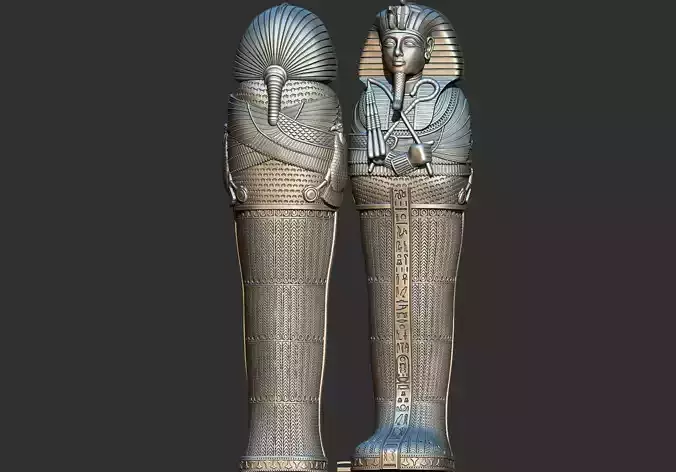
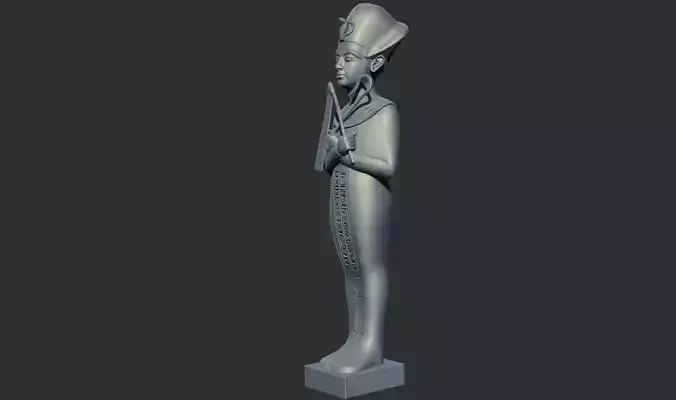
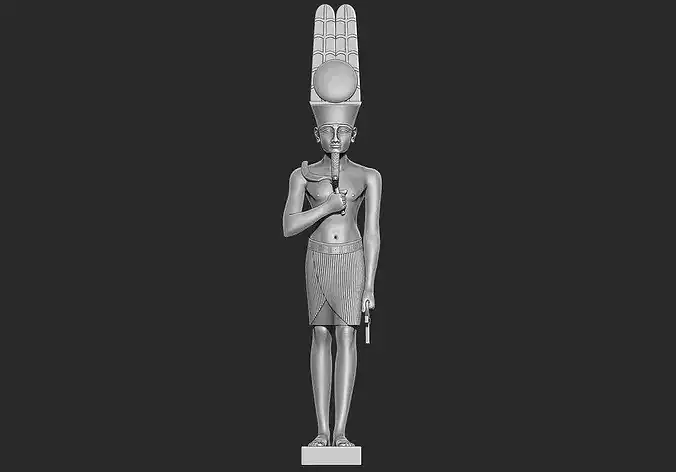
Tutankhamun Shabty (Ushabti) 3D Printable Model
The legacy of Ancient Egypt remains one of the most powerful and enduring civilizations in human history. Among its most symbolic and spiritually meaningful artifacts are the shabty figures, also known as ushabti, which played a vital role in Egyptian funerary beliefs. This Tutankhamun Shabty 3D printable model is a detailed digital recreation inspired by these sacred objects, allowing creators, educators, and collectors to reproduce a historically inspired artifact using modern 3D printing technology.
Historical Background of Shabty Figures
In ancient Egyptian religion, life after death was considered a continuation of earthly existence. The deceased were expected to work in the Fields of Reeds, an idealized afterlife realm ruled by Osiris. To avoid physical labor, Egyptians placed shabties in tombs. These figurines were believed to magically come to life when called upon, performing agricultural and manual tasks on behalf of their owner.
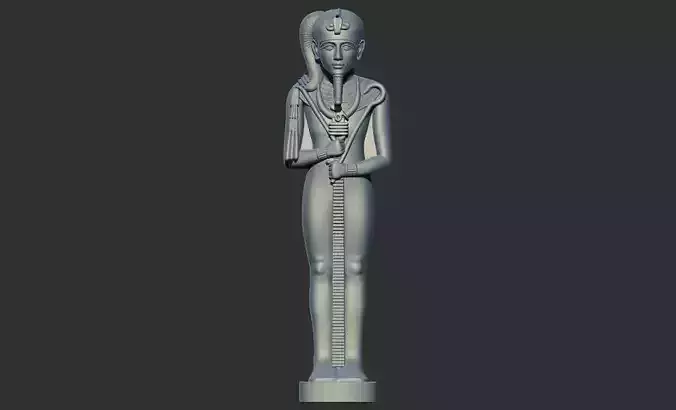
Shabties were commonly carved in a mummiform shape, holding farming tools such as hoes and baskets, and often inscribed with Chapter 6 of the Book of the Dead. Royal shabties, especially those belonging to pharaohs, were produced in large numbers and crafted with exceptional detail and symbolism.
Tutankhamun and His Shabties
The tomb of Pharaoh Tutankhamun, discovered in 1922, revealed one of the most complete collections of funerary objects ever found. Among these treasures were numerous shabty figures, made from faience, wood, stone, and precious materials. These figures reflected royal authority, divine protection, and preparation for eternity.
Tutankhamun’s shabties are especially admired for their balanced proportions, refined facial features, and symbolic inscriptions. They embody both artistic excellence and deep religious meaning, making them a popular subject for historical study and modern reinterpretation.
Description of the 3D Printable Model
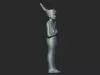
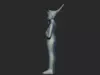
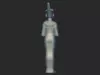
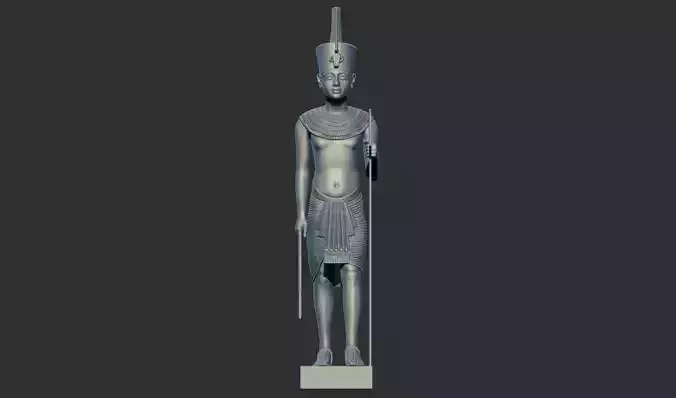
This Tutankhamun Shabty 3D model is digitally sculpted to capture the essence of ancient Egyptian craftsmanship while remaining optimized for 3D printing. The model focuses on clean geometry, accurate proportions, and clear surface definition to ensure successful printing across a wide range of printers and materials.
The figure is presented in a traditional mummiform stance, reflecting authentic ancient designs. Facial features are calm and idealized, inspired by known representations of Tutankhamun, while the body structure maintains a balance between realism and stylized simplicity. Fine details are preserved without compromising print stability.
The model is suitable for scaling, allowing users to print it as a small figurine, a medium decorative piece, or a larger display statue.
Technical and Print Characteristics
The digital file is prepared with printability in mind. It is designed to minimize overhangs and reduce the need for heavy support structures. The clean topology ensures smooth slicing and reliable results for both FDM and resin printers.
Recommended printing parameters may vary depending on printer type, but the model performs well with standard settings. Fine layer heights enhance surface quality, while proper orientation helps preserve facial and inscription details. The model can be printed as a single solid piece or adapted for hollow printing to reduce material usage.
Post-Processing and Finishing Options
After printing, the model can be sanded and primed to achieve a refined surface. Painting opens a wide range of artistic possibilities, including stone, bronze, gold, or turquoise-inspired finishes that echo ancient Egyptian materials. Weathering techniques can add realism, simulating age and archaeological authenticity.
For educational or exhibition purposes, the model can be mounted on a base or integrated into a larger historical scene or diorama.
Educational and Creative Applications
This Tutankhamun Shabty 3D printable model is suitable for a wide variety of uses. It can serve as a teaching aid in history and archaeology courses, helping students visualize ancient Egyptian funerary practices. Museums and cultural centers may use it as a replica for hands-on displays or interactive exhibits.
Artists and designers can incorporate the model into storytelling projects, themed installations, or digital environments. It is also ideal for collectors who appreciate historically inspired objects and wish to create their own physical replicas.
Cultural and Artistic Significance
Beyond its function as a printable object, this model represents a bridge between ancient belief systems and contemporary digital craftsmanship. It preserves the visual language of Ancient Egypt while allowing modern creators to reinterpret and reproduce cultural heritage in a respectful and educational manner.
By combining historical inspiration with modern technology, this Tutankhamun Shabty model keeps ancient symbolism alive for new generations.