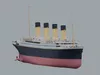
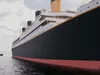
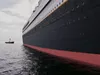
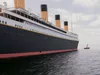
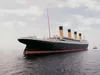
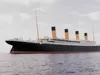
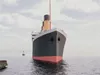
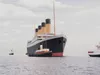
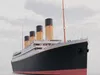
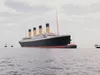
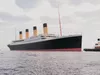
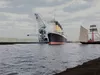
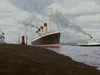
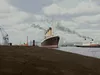
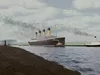
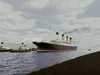
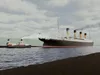
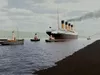
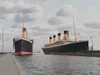
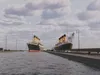
The fascinating ocean liner the RMS Titanic, the largest ship of her time, that sank on her maiden voyage, taking with her almost 1500 souls of people no different from us, having dreams, hope, loved ones.. a sad story that actually happened
Probably the sinking of the Titanic represented a death a dream when at that time with ambitious superlative and magnificent creations were made, for those who are enthusiastic with her history as well as other ships or fateful events, attempted to keep their history alive in many ways such as in books, paintings, documentaries...etc., each enthusiast in his/her own way to express the impression.
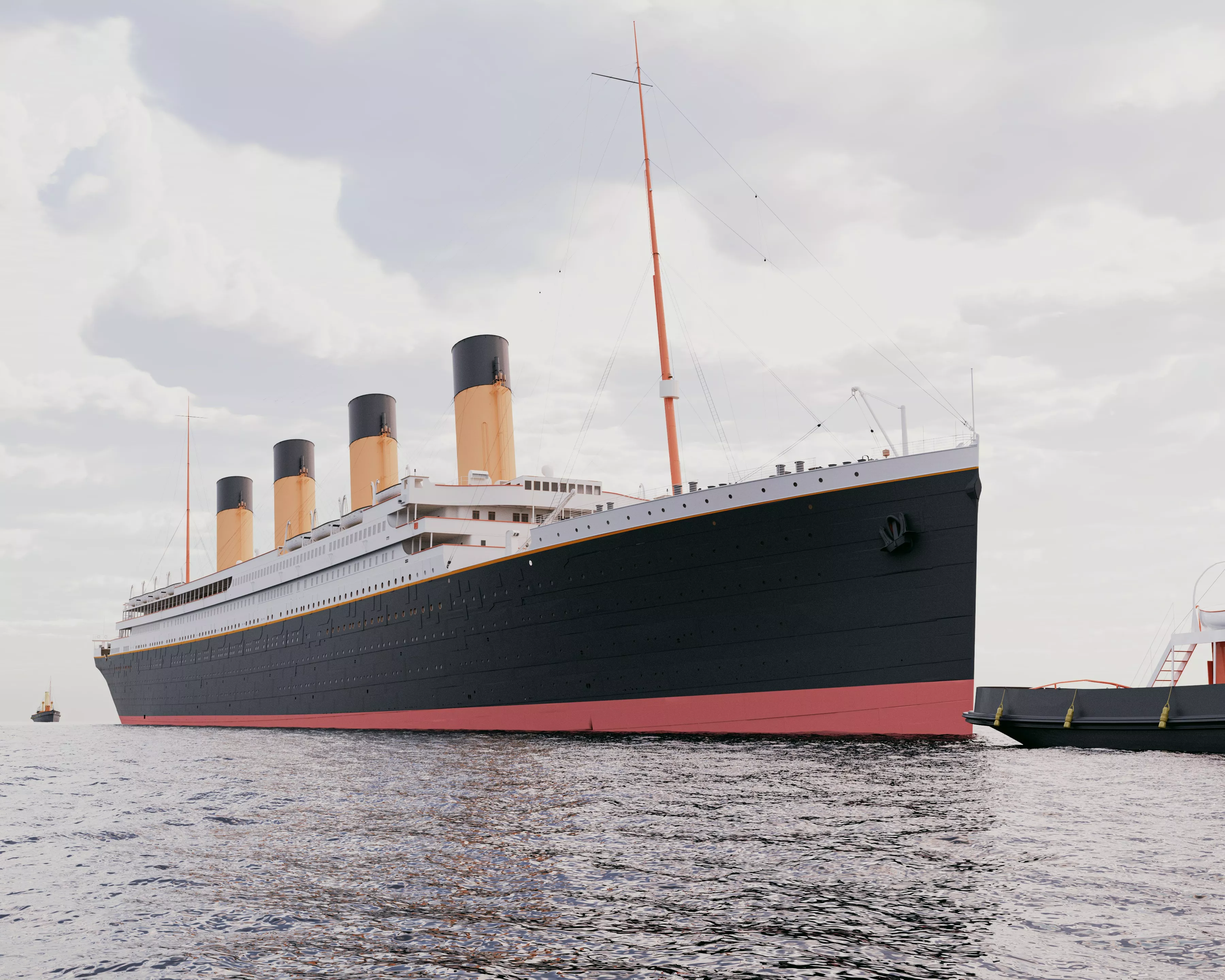
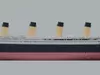
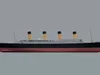
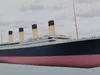
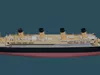
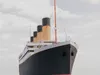
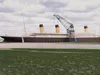
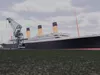
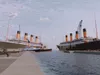
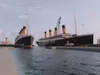
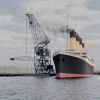
This 3D model would give more flexibility than a physical model, it was made to recreate a phase of the Titanic construction (launch and outfitting), as a tribute to the workforce that was involved in her construction, the ultimate point to reach was illustration of the two ship (Olympic and Titanic) side by side in early March 1912, a symbolic moment of pride, serenity and optimism.
This particular digital model was made simultaneously with another similar model (S S Olympic), as both shared the same dimensions, however differences were more apparent by late stages of modeling.
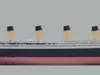
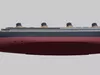
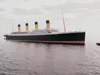
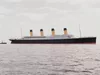
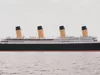
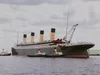
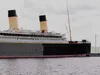
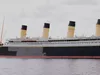
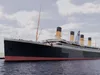
This model was intended to be a digital waterline model, as mostly it required the model draft no less than 14 ft, however the hull was all built, except for the bottom plating which are missing, in addition to other details on superstructure (top plan view) such as vents bases, well decks also mainly the cargo cranes, this is why it is important to evaluate and to consider if this model as it is in its current state is useful for your project, as it is optimal for exterior side illustrations as shown in the previews.
All parts were created in AutoCAD for much flexibility, as the line of the hull and decks are all curved (longitudinal and transverse curvature the camber and the sheer line), by late stage of modeling; were imported in 3dsmax (linked AutoCAD), for this present model these were directly re-imported and refined for a better visual results. (Units are in inches)
No texture have been used in this model, the shading materials are approximate and can be changed depending on one's subjective preferences or objectivly by narrowing the shades, for the ship's name and port of registry each are in a separate layer. Some objects which are removable, each are in their own layer, which can be hidden if not necessary such as removable sections of handrails, flag pole, wash ports, jib, rivets, funnels parts, boats...etc
The models consists of nearly 36,000,000+ polys / 21,000,000+ vertices, however if rivets of strength deck are not required, eliminating these or hiding them , the scene would be optimised (polys reduced to 26,483,840 and vertices count to 15,792,507), this would be good for distant view. The rendering process, vray was no problem as only standard materials are used with no textures or displacement maps, in addition , Vray is optimal for complex heavy scene. in Corona render, it is optimal (subjectively), which used for most renderings of still images.
FBX file can be imported into blender, however; unlike the launch models of the Olympic/ Titanic which can be found in this account, this model would take some time if your PC is less powerful (the PC used is Lenovo ThinkPad laptop with an Intel Core i5 processor and 8 GB of RAM), while importing the same file in 3dsmax didn't take much time, this note might be helpful for some to consider.
In general; this model is ideal for exterior side view illustration of the ship