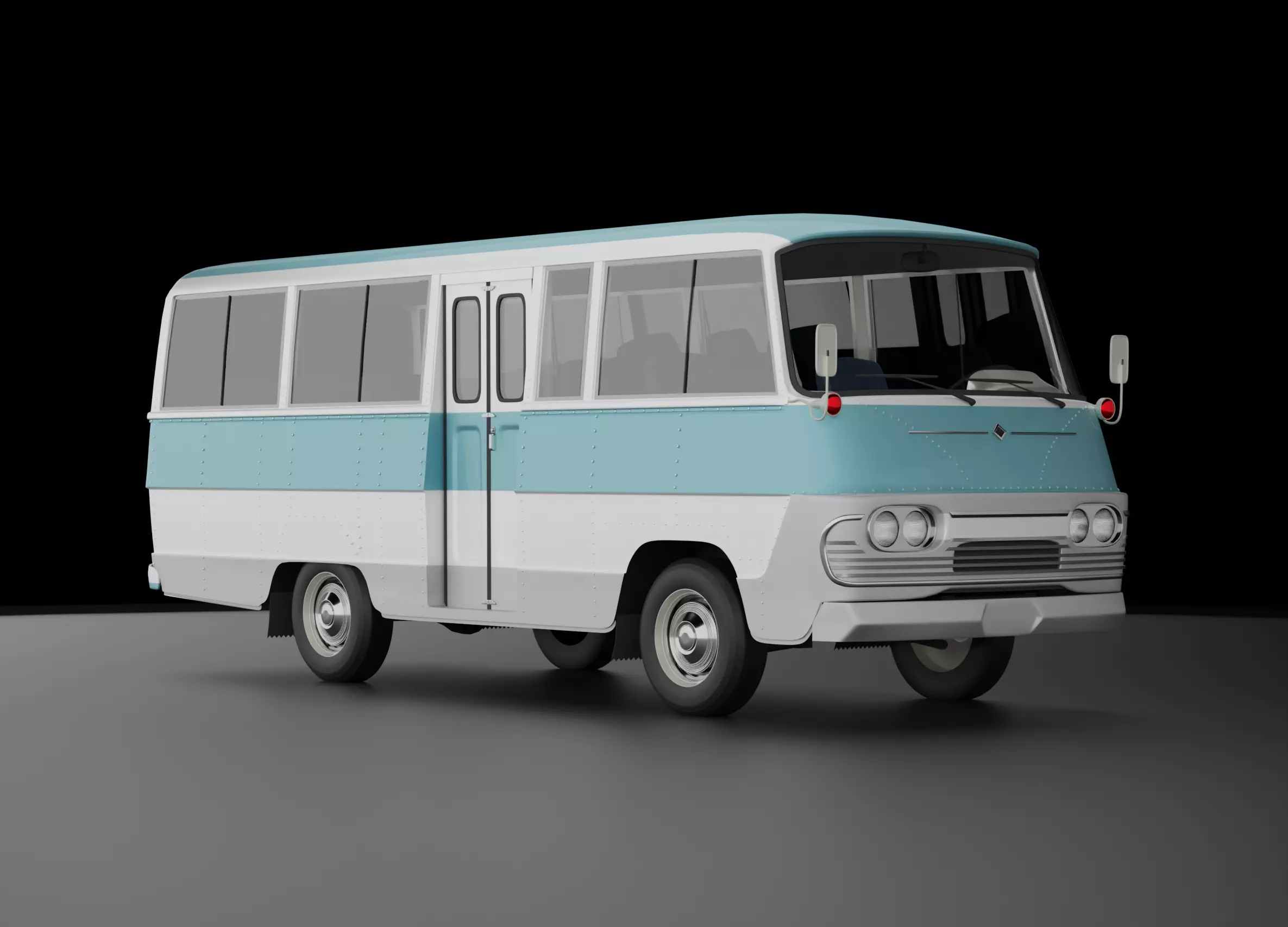
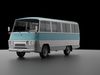
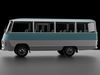
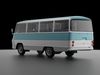
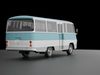
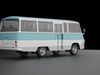
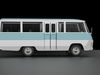
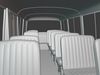
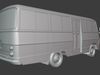
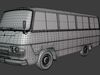
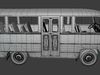
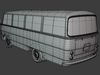
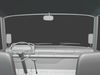
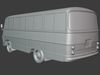
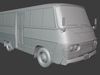
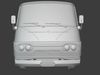
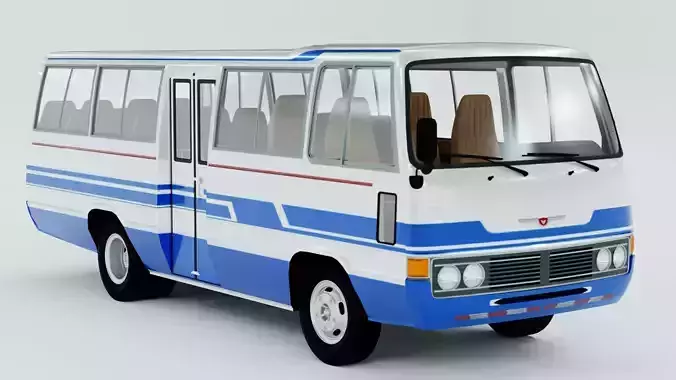
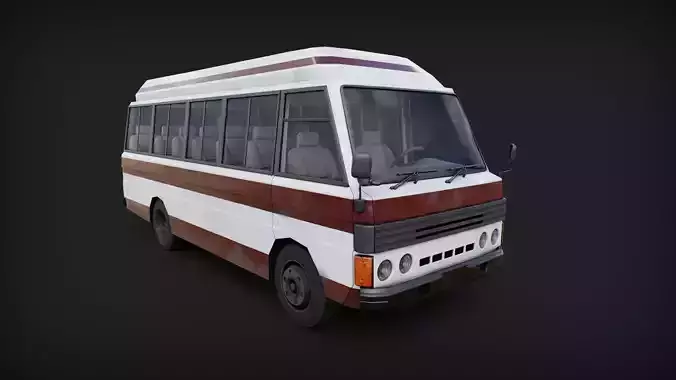
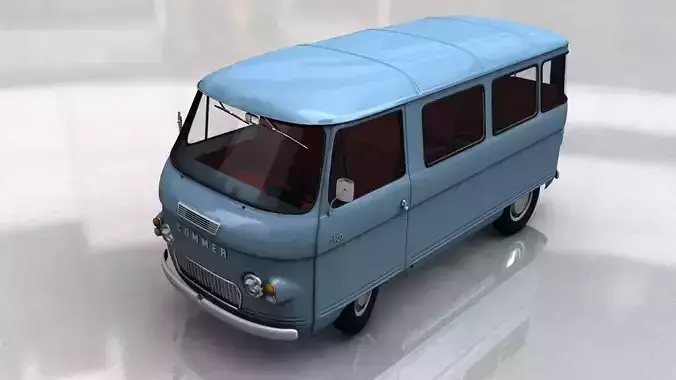
This bus was produced in two variants with capacities for 22 and 25 passengers. It successfully passed the certification exam in February 1963, indicating that it met the necessary safety and performance standards required for mass production and operation.
The introduction of the Toyota Light Bus was a significant development in the transportation industry in Japan, providing a reliable and efficient means of transporting passengers in a smaller bus format. This achievement likely contributed to the improvement of public transportation options in the country during that era.
The Light Bus served as the starting point or inspiration for the development of the Coaster. In this case, it is likely that they shared some basic design features and concepts, such as the focus on transporting passengers in a minibus.The Toyota Coaster is a popular model of minibus that has been produced by Toyota since 1969. It is designed for commercial and passenger transportation purposes. The base for the Toyota Coaster, in terms of its platform and chassis, has remained relatively consistent over the years, with various updates and improvements made to meet changing safety and emissions standards.
Chassis:The Toyota Coaster typically utilizes a ladder frame chassis, which provides strength and durability. This type of chassis is well-suited for commercial vehicles, as it can handle heavy loads and offers stability on the road.
Engine:The Coaster has been equipped with various engine options over the years. These engines have evolved to meet stricter emissions standards and improve fuel efficiency. They are typically located in the front of the vehicle.
Transmission:The Coaster is commonly equipped with manual or automatic transmissions, depending on the model and market. The transmission type may vary between different generations and versions of the Coaster.
Wheelbase:The wheelbase of the Coaster can vary depending on the specific model and configuration. A longer wheelbase may provide additional passenger capacity, while a shorter wheelbase may offer better maneuverability.
Suspension:The suspension system of the Coaster is designed to provide a comfortable ride for passengers, even on rough roads. It helps absorb shocks and vibrations, enhancing passenger comfort.
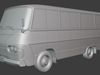
Polygons: 551,459
Objetcs: 125
Vertices: 292,44
Faces: 296,067