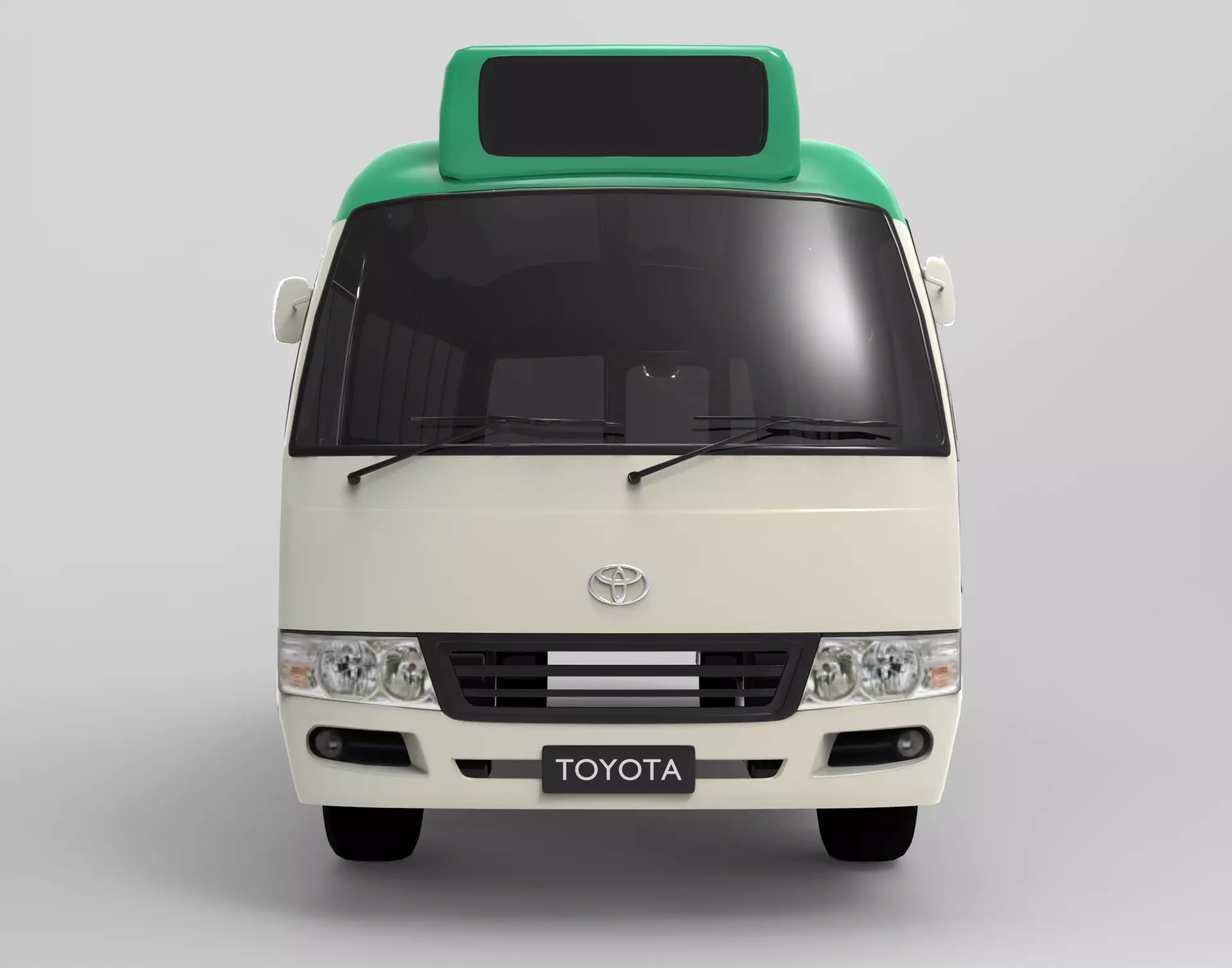
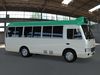
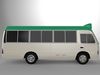
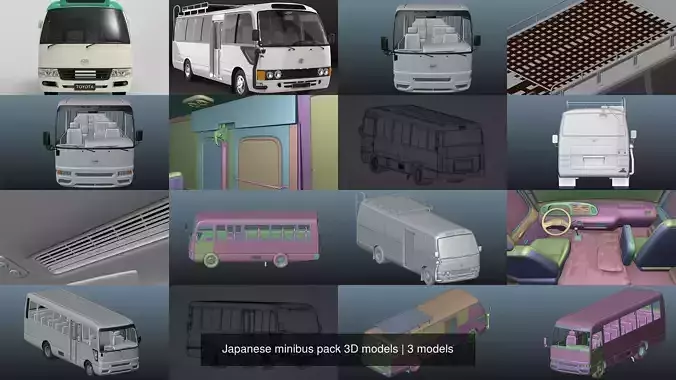
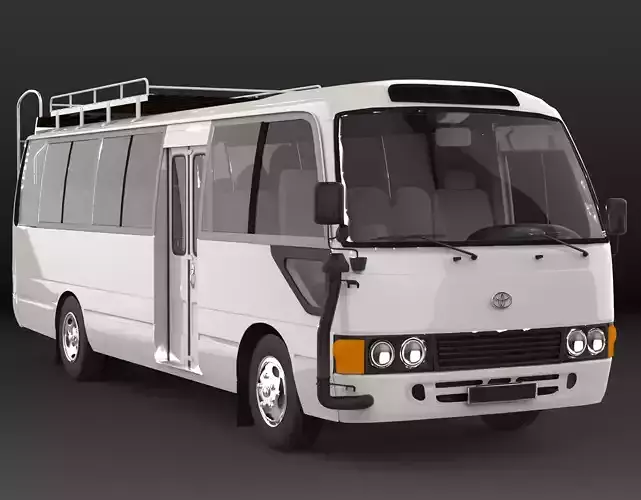
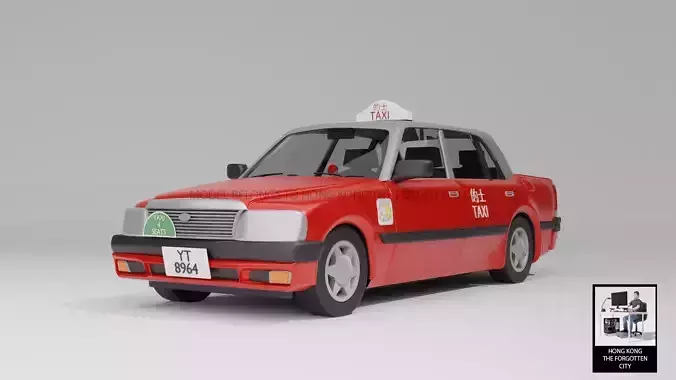
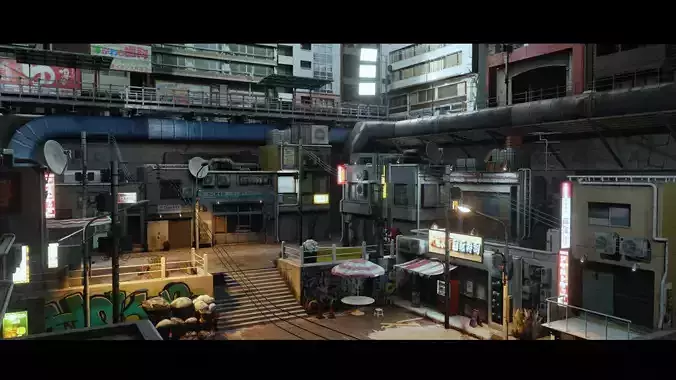
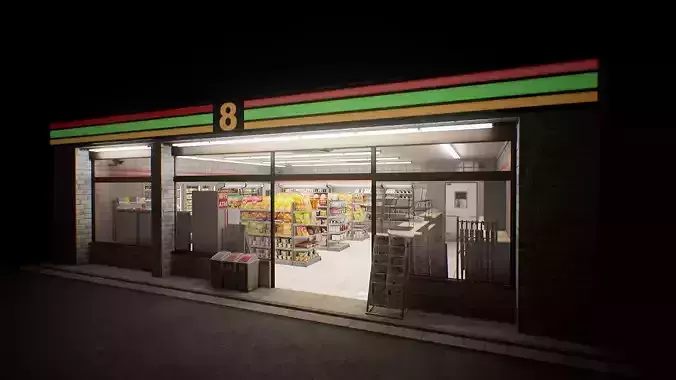
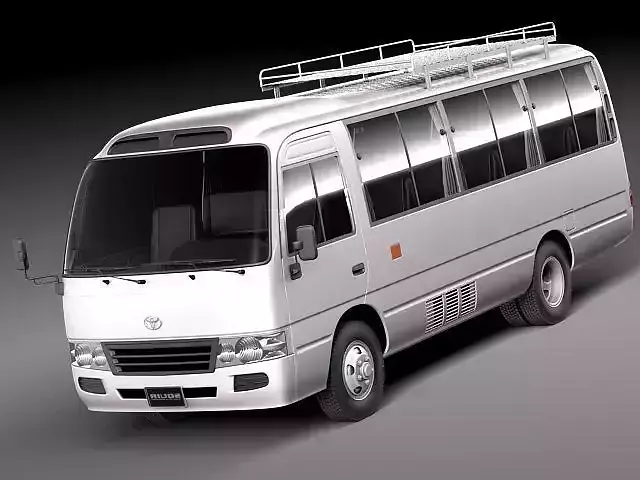
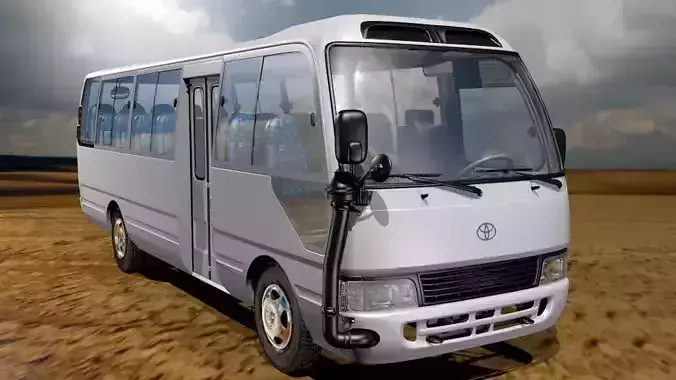
Toyota Coaster Hong Kong 3d model The Toyota Coaster (Japanese: トヨタ・コースター, Hepburn: Toyota Kōsutā) is a single-decker minibus produced by Toyota Motor Corporation. It was introduced in 1969, with the second generation introduced in 1982, followed by the third generation in 1992 and the fourth generation in late 2016. In Japan, the Coaster is sold exclusively at Toyota Store dealerships. Since 1996, the Toyota Coaster is also sold under the name Hino Liesse II.[3][4]
In Japan, the Coaster was formerly produced by Toyota Auto Body at its Yoshiwara plant.[5] In December 2016, after the launching of a revised Coaster, production was transferred to the Honsha plant of a Toyota Auto Body subsidiary, Gifu Auto Body.[6]
A number of unlicensed clones of third generation Coasters have been (and are still) made in China, including Jiangnan Motors' JNQ5041/JNQ6601,[7][8] Joylong Motors' HKL6700,[9] Golden Dragon's XML6700[10] and Sunlong Bus' SLK6770.[11]
HistoryThe Toyota Coaster was introduced in 1969 as a 17-passenger minibus using the same running gear as the Toyota Dyna of the time. Early models used the 2.0-litre Toyota R engine with a 4-speed manual transmission. With its engine rated at 98 PS (72 kW), a RU19 Coaster could attain a top speed of 110 km/h (68 mph).[12] Subsequent models used a variety of four and six-cylinder diesel and petrol engines, and an option of automatic transmission was later introduced. A smaller alternative was later introduced at Toyopet Store locations, based on the Toyota ToyoAce called the Toyota HiAce which had the ability to carry up to 10 passengers but complied with Japanese Government regulations concerning exterior dimensions and engine displacement.
In August 1997, Toyota Coaster Hybrid EV minibus was launched, ahead of the Prius. The Coaster Hybrid, according to Toyota, became its first production hybrid vehicle.[13] Production of the Coaster Hybrid continued until 2007.
The LPG Coaster, fueled by liquefied petroleum gas, was developed specifically for the Hong Kong market and its air pollution problems.[14]
The Coaster is widely used in Singapore, Japan, Hong Kong, and Australia, but also in the developing world for minibus operators in Africa, the Middle East, South Asia, the Caribbean, Santa Cruz de la Sierra, Bolivia, Panama, and Peru as public transportation. These buses are imported mainly from Asia and have the steering wheel moved to the left and the passenger door to the other side.