High-quality 3D assets at affordable prices — trusted by designers, engineers, and creators worldwide. Made with care to be versatile, accessible, and ready for your pipeline.
Included File Formats
This model is provided in 14 widely supported formats, ensuring maximum compatibility:
• - FBX (.fbx) – Standard format for most 3D software and pipelines
• - OBJ + MTL (.obj, .mtl) – Wavefront format, widely used and compatible
• - STL (.stl) – Exported mesh geometry; may be suitable for 3D printing with adjustments
• - STEP (.step, .stp) – CAD format using NURBS surfaces
• - IGES (.iges, .igs) – Common format for CAD/CAM and engineering workflows (NURBS)
• - SAT (.sat) – ACIS solid model format (NURBS)
• - DAE (.dae) – Collada format for 3D applications and animations
• - glTF (.glb) – Modern, lightweight format for web, AR, and real-time engines
• - 3DS (.3ds) – Legacy format with broad software support
• - 3ds Max (.max) – Provided for 3ds Max users
• - Blender (.blend) – Provided for Blender users
• - SketchUp (.skp) – Compatible with all SketchUp versions
• - AutoCAD (.dwg) – Suitable for technical and architectural workflows
• - Rhino (.3dm) – Provided for Rhino users
Model Info
• - All files are checked and tested for integrity and correct content
• - Geometry uses real-world scale; model resolution varies depending on the product (high or low poly)
• • - Scene setup and mesh structure may vary depending on model complexity
• - Rendered using Luxion KeyShot
• - Affordable price with professional detailing
Buy with confidence. Quality and compatibility guaranteed.
If you have any questions about the file formats, feel free to send us a message — we're happy to assist you!
Sincerely,
SURF3D
Trusted source for professional and affordable 3D models.
More Information About 3D Model :
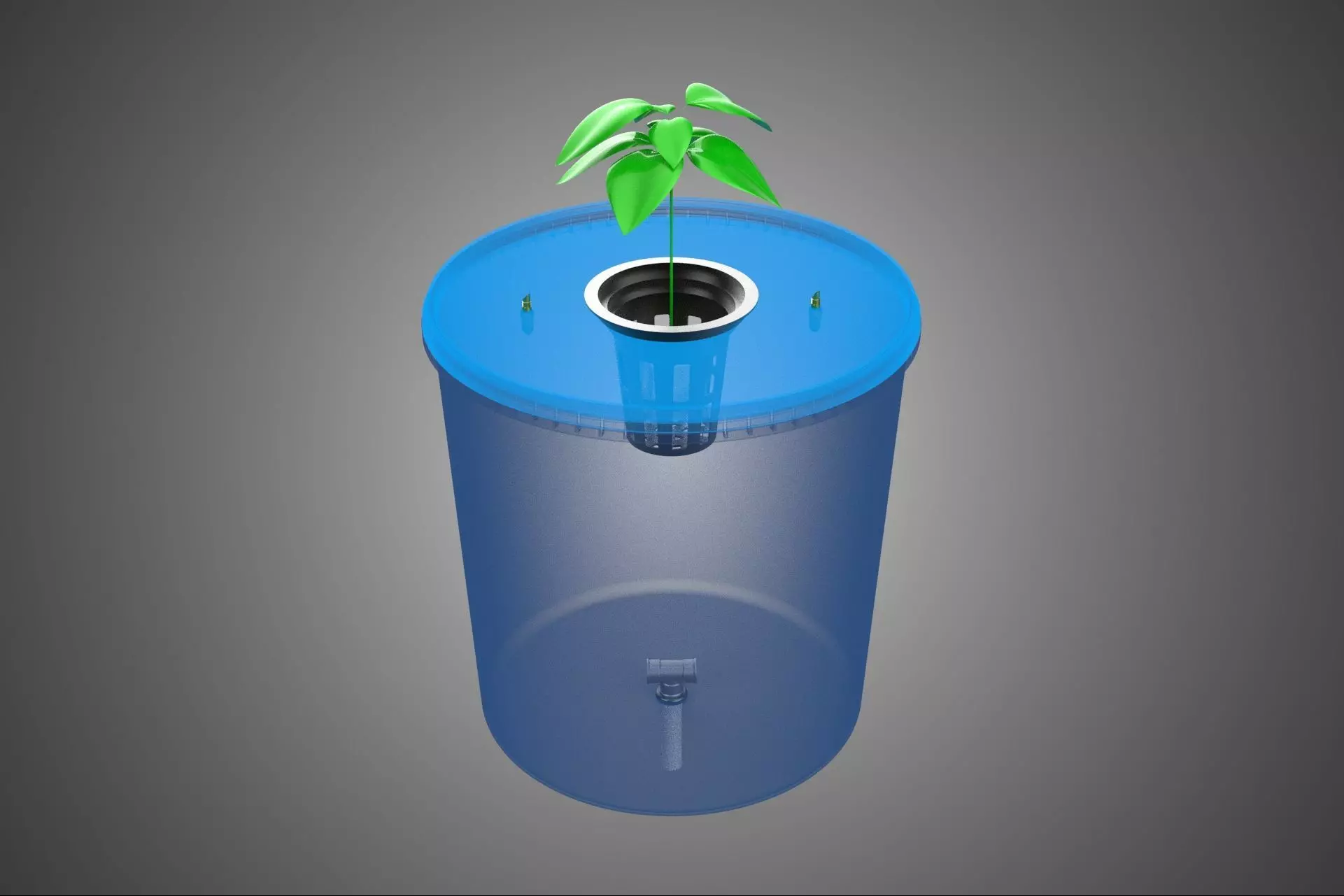
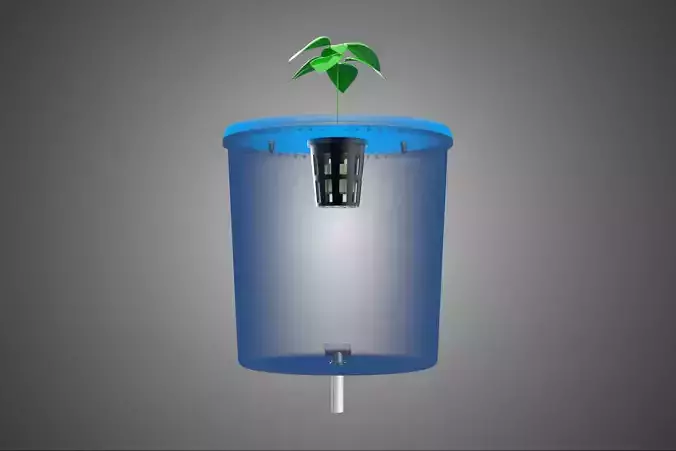
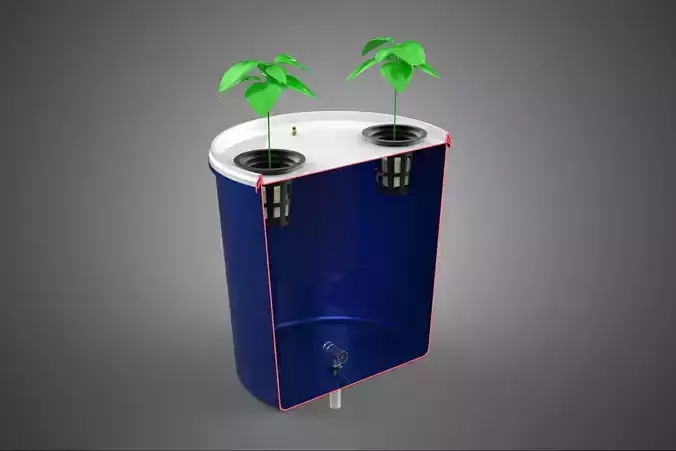
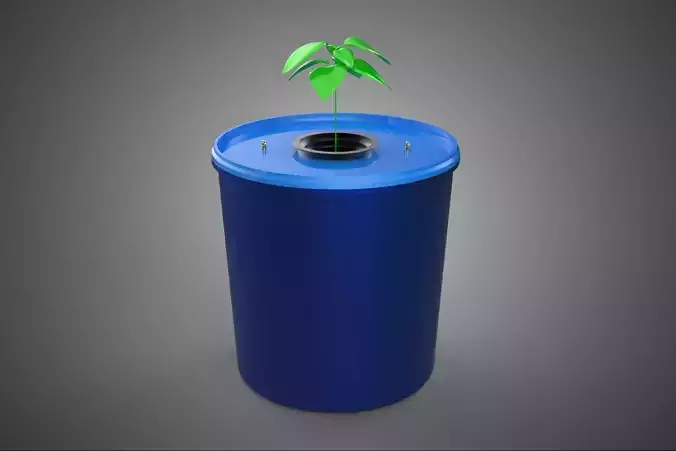
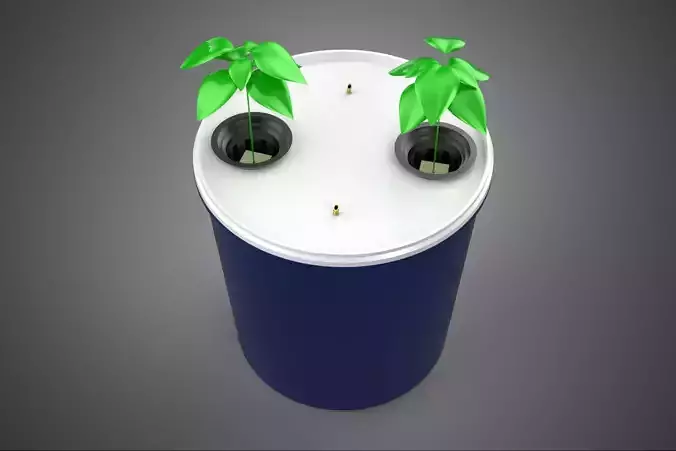
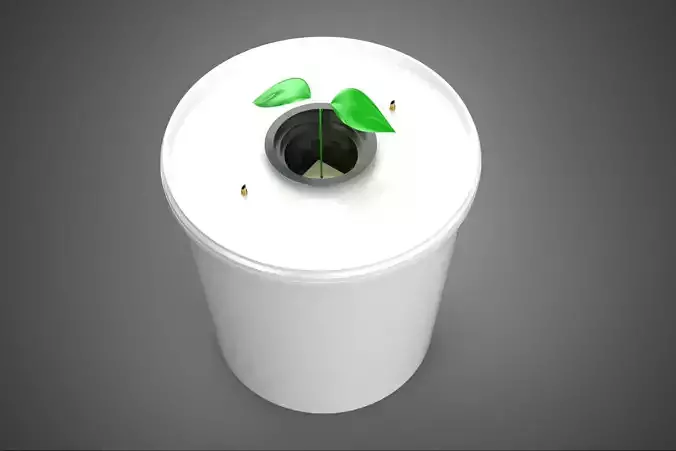
The Dutch Bucket system, also known as the Bato Bucket system, is a specialized, recirculating form of hydroponic cultivation widely utilized in Controlled Environment Agriculture (CEA) for the commercial production of heavy-feeding, indeterminate, fruiting crops such as vine vegetables and some fruits. This technique addresses the structural and nutritional demands of large, long-term plants that are not optimally suited for flatter systems like Nutrient Film Technique (NFT) or Deep Water Culture (DWC).
System Mechanics and Hardware
The Dutch Bucket system operates on a media-based, drip-fed principle. Each plant, or small group of plants, is situated in an individual plastic bucket (typically 10 to 20 liters in volume). These buckets are elevated above a common return line, ensuring optimal drainage.
- Substrate: Inert substrates are employed to anchor the root mass and provide aeration, including perlite, coconut coir (coco coir), vermiculite, or a mixture of these components. Unlike soil, the substrate holds no nutritional value, requiring the full complement of macro- and micronutrients to be delivered via the irrigation solution.
- Nutrient Delivery (Fertigation): A centralized reservoir holds the nutrient solution. A pump distributes this solution through drip emitters, delivering small, precise volumes to the base of each plant bucket at timed intervals throughout the day.
- Drainage and Recirculation: Excess nutrient solution drains rapidly out of the bottom of the bucket via a specialized elbow fitting, preventing root saturation and ensuring high oxygen levels in the root zone (aeration). This effluent is collected in the common return line and flows back to the central reservoir to be filtered, tested (for Electrical Conductivity (EC) and pH), adjusted, and reused. This recirculation process dramatically improves water use efficiency compared to open-field agriculture or non-recirculating hydroponic methods.
### Application in Vegetable and Fruit Production
The structural support provided by the Dutch Bucket system, combined with its capacity for high flow rates, makes it ideal for crops that require substantial vertical growth and heavy nutrient uptake:
- Vegetables: Tomatoes (the most common application), bell peppers (capsicum), chili peppers, cucumbers, and eggplant.
- Fruits: Melons (e.g., cantaloupe, honeydew), though their cultivation often requires more careful humidity and trellising management.
The depth of the bucket allows for large, stable root systems, crucial for supporting the weight of mature, fruit-bearing vines.
### The Organic Hydroponic Farming Paradigm
The application of the term organic to hydroponic farming, including Dutch Bucket systems, remains a subject of regulatory debate and technical difficulty. Traditional organic standards rely heavily on soil microbiology and soil health management.
To achieve organic hydroponics, growers must adhere to several strict requirements, depending on the certification body (e.g., USDA National Organic Program (NOP) regulations or European/other international standards):
- Nutrient Sources: Synthetic, mineral-based fertilizers, the standard in conventional hydroponics, are prohibited. Organic hydroponic systems must rely on naturally derived nutrient inputs, such as fish emulsion, hydrolyzed proteins, plant extracts, kelp meals, and specialized organic mineral amendments. These inputs are often difficult to stabilize in a recirculating solution without causing significant biofilm buildup, microbial imbalance, or clogging of the drip emitters, demanding more intensive filtration and monitoring.
- Pest and Disease Management: Chemical pesticides and fungicides are prohibited, requiring reliance on Integrated Pest Management (IPM), biological controls (beneficial insects), and approved organic treatments.
- Certification Status: While many international bodies certify hydroponic produce as organic, the US NOP currently allows hydroponic operations to be certified under specific circumstances, often requiring detailed audits regarding nutrient sourcing and system integrity. This system allows producers to utilize the efficiency of soilless culture while maintaining organic input standards.
The combination of the Dutch Bucket system’s structural integrity and the use of certified organic nutrient sources represents a high-efficiency model for the sustainable, large-scale production of specialty crops.
KEYWORDS: Bato Bucket, Recirculating Hydroponics, Controlled Environment Agriculture, CEA, Organic Hydroponics, Soilless Culture, Tomatoes, Vine Crops, Perlite, Coco Coir, Nutrient Solution, Fertigation, Drip System, Water Efficiency, Nutrient Film Technique, DWC, Organic Certification, Hydroponic Substrate, Integrated Pest Management, IPM, Fish Emulsion, Organic Inputs, Drainage, Root Zone Aeration, Sustainable Farming, Commercial Horticulture, Greenhouse Production, Capsicum, Cucumbers, High-Wire System, pH and EC Monitoring.