High-quality 3D assets at affordable prices — trusted by designers, engineers, and creators worldwide. Made with care to be versatile, accessible, and ready for your pipeline.
Included File Formats
This model is provided in 14 widely supported formats, ensuring maximum compatibility:
• - FBX (.fbx) – Standard format for most 3D software and pipelines
• - OBJ + MTL (.obj, .mtl) – Wavefront format, widely used and compatible
• - STL (.stl) – Exported mesh geometry; may be suitable for 3D printing with adjustments
• - STEP (.step, .stp) – CAD format using NURBS surfaces
• - IGES (.iges, .igs) – Common format for CAD/CAM and engineering workflows (NURBS)
• - SAT (.sat) – ACIS solid model format (NURBS)
• - DAE (.dae) – Collada format for 3D applications and animations
• - glTF (.glb) – Modern, lightweight format for web, AR, and real-time engines
• - 3DS (.3ds) – Legacy format with broad software support
• - 3ds Max (.max) – Provided for 3ds Max users
• - Blender (.blend) – Provided for Blender users
• - SketchUp (.skp) – Compatible with all SketchUp versions
• - AutoCAD (.dwg) – Suitable for technical and architectural workflows
• - Rhino (.3dm) – Provided for Rhino users
Model Info
• - All files are checked and tested for integrity and correct content
• - Geometry uses real-world scale; model resolution varies depending on the product (high or low poly)
• • - Scene setup and mesh structure may vary depending on model complexity
• - Rendered using Luxion KeyShot
• - Affordable price with professional detailing
Buy with confidence. Quality and compatibility guaranteed.
If you have any questions about the file formats, feel free to send us a message — we're happy to assist you!
Sincerely,
SURF3D
Trusted source for professional and affordable 3D models.
More Information About 3D Model :
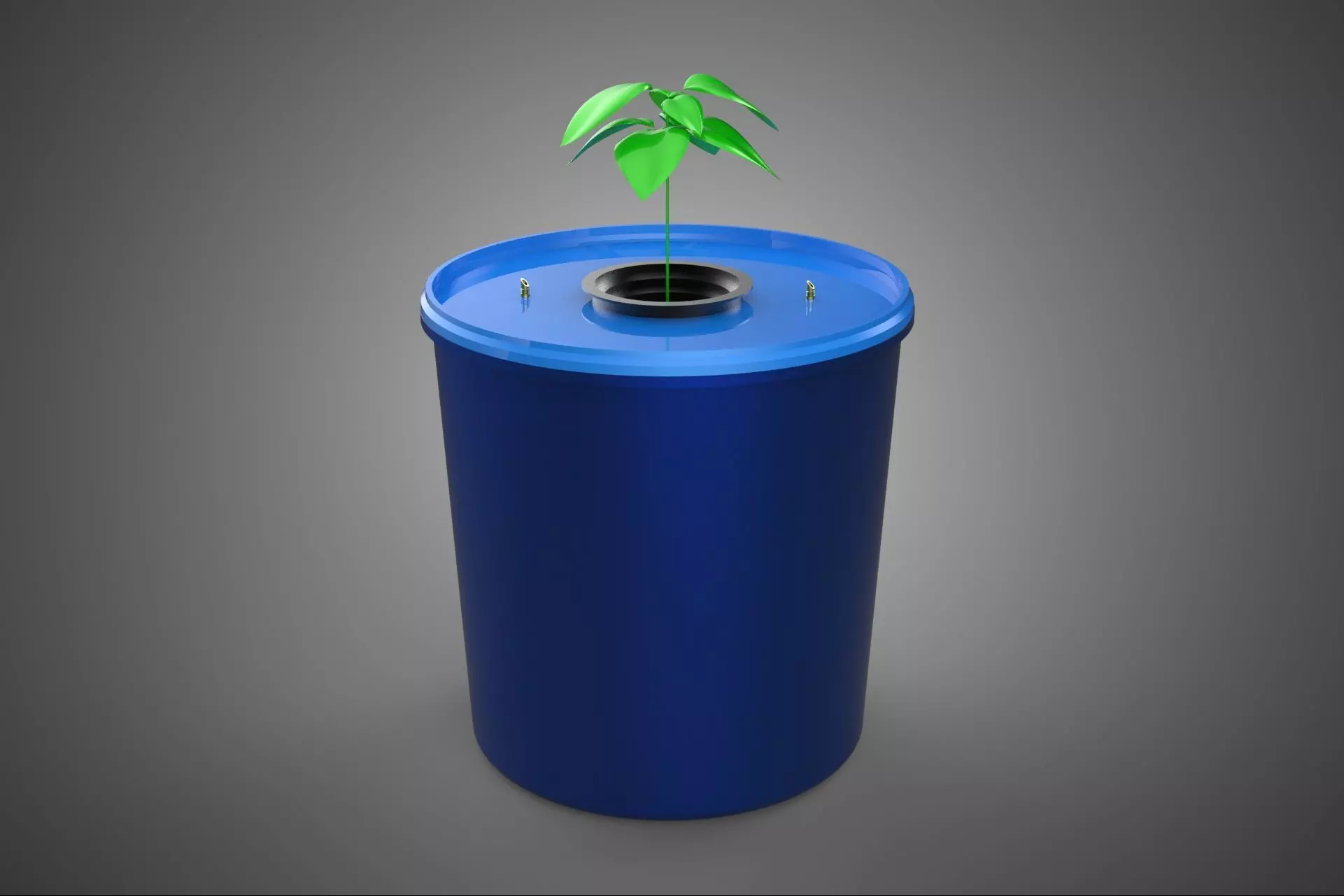
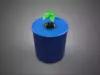
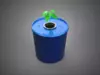
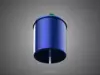
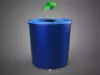
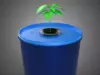
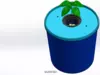
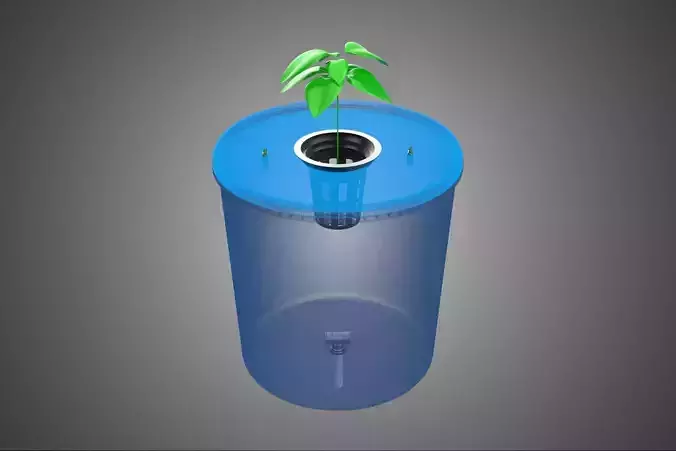
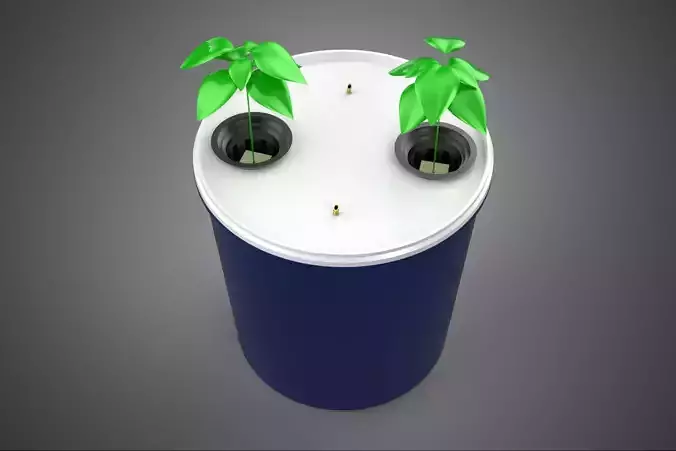
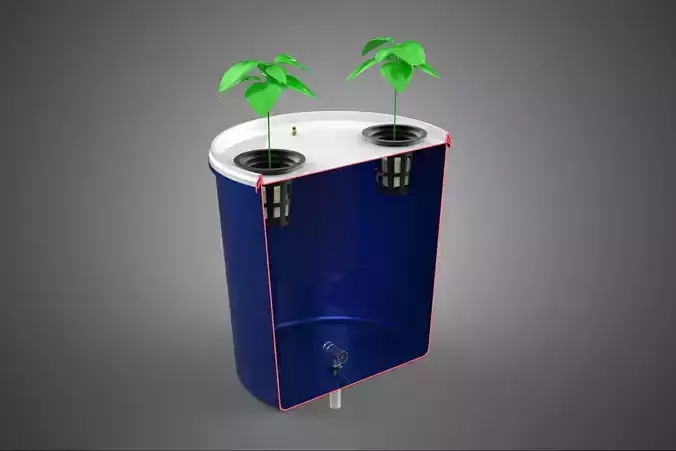
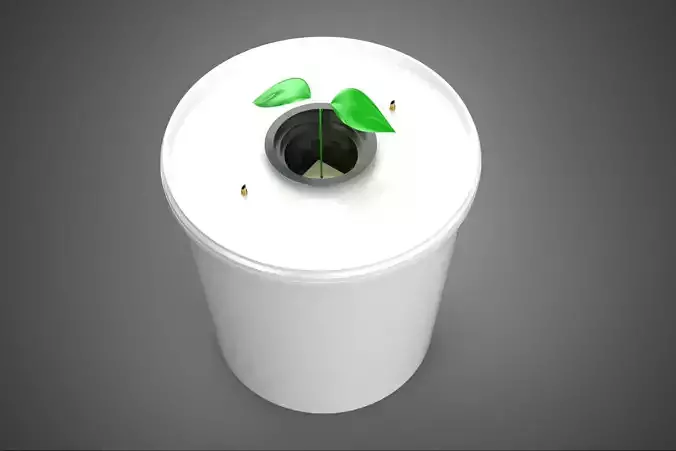
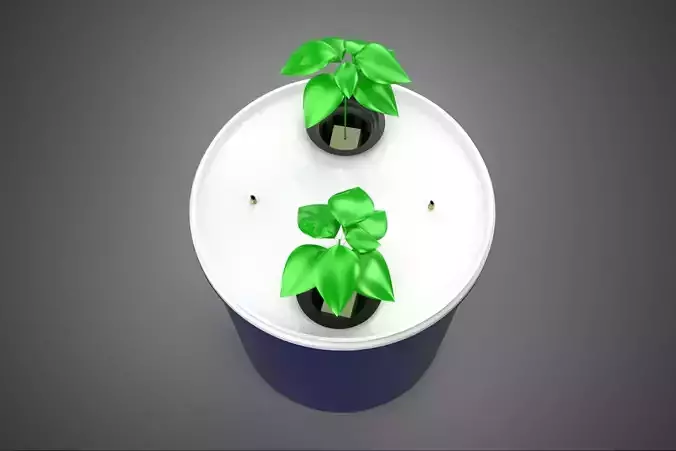
The DBS Hydroponic Dutch Bucket System Net Pot Plant Crop Module Set constitutes a standardized, specialized configuration utilized within the field of recirculating hydroponics, commonly referred to as the Bato Bucket system. This sophisticated methodology is designed primarily for the cultivation of large, indeterminate, or heavy-feeding crops that require robust physical support and precise control over the nutrient delivery cycle.
System Architecture and Components
The system is defined by its modular structure, where individual growing containers, designated as Dutch Buckets, operate independently but are interconnected via shared irrigation and drainage networks. Each module within the set is engineered for high performance and durability, typically constructed from non-translucent, UV-stabilized, food-grade plastic to inhibit algal growth and maintain thermal stability within the root zone.
Core Components:
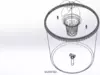
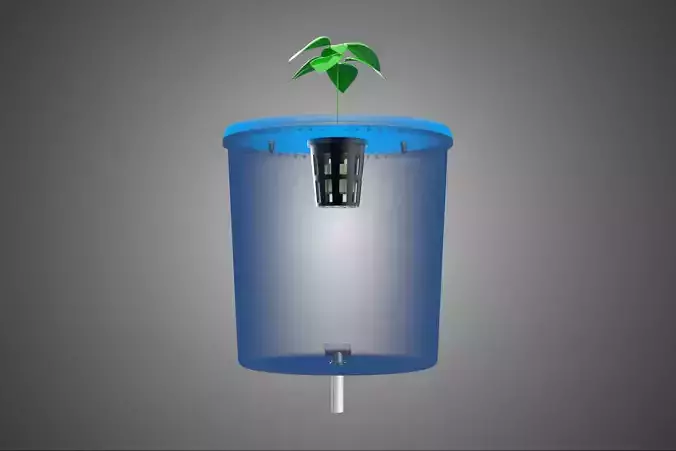
- Dutch Bucket Module: The primary reservoir, designed to hold a limited volume of inert growing medium. The non-permeable nature of the container ensures that nutrient solution delivery and drainage are fully controlled.
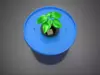
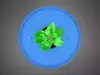
- Net Pots: Standardized containers inserted into the bucket lid, holding the plant and the growing medium (e.g., perlite, rockwool, coco coir). The mesh structure of the net pot allows unrestricted access for roots to the nutrient solution and facilitates oxygen exchange.
- Irrigation Manifold: A networked system of drip lines and emitters connected to a central reservoir and pump. The manifold delivers controlled, timed bursts of nutrient-rich water directly to the base of the plant near the net pot.
- Drainage System (Siphon Elbow): A crucial design element that differentiates the Dutch Bucket from Deep Water Culture (DWC). An elbow pipe is installed near the base of the bucket, establishing a controlled shallow sump (typically 2 to 4 cm deep). This mechanism ensures that excess solution drains rapidly through a common return line back to the main reservoir, promoting optimal root aeration and preventing waterlogging. The height of the elbow maintains a minimal residual nutrient level required for capillary action and hydration.
### Operational Mechanism
The DBS Dutch Bucket system operates on a closed-loop principle, maximizing water and nutrient use efficiency. The automated pump periodically delivers the prepared nutrient solution to each module via the drip emitters. The solution percolates through the inert medium, providing hydration and essential minerals to the root mass.
The controlled drainage process ensures that the roots are subjected to periods of ebb and flow, optimizing gas exchange and significantly reducing the likelihood of root diseases such as Pythium (root rot). The collected effluent is recycled to the central reservoir, where pH and Electrical Conductivity (EC) levels are monitored and adjusted prior to subsequent irrigation cycles.
### Cultivation Applications
Due to its requirement for stable root support and capacity to manage high nutrient demands, the DBS Dutch Bucket system is particularly effective for cultivating vining and large fruiting crops that have prolonged growing cycles. These applications include, but are not limited to, the commercial production of:
- Tomatoes (Solanum lycopersicum)
- Cucumbers (Cucumis sativus)
- Bell Peppers and Chili Peppers (Capsicum annuum)
- Eggplants (Solanum melongena)
- Various squashes and melons
The modularity facilitates targeted pest management and plant-specific harvesting schedules, offering significant advantages in high-density commercial greenhouse environments.
KEYWORDS: Hydroponics, Dutch Bucket, Bato Bucket, Recirculating System, Soilless Culture, Crop Module, Net Pot, Drip Irrigation, Commercial Hydroponics, Scalable Farming, Root Zone Aeration, Drainage Elbow, Siphon Mechanism, Inert Media, Perlite, Coco Coir, Rockwool, Fruiting Crops, Vining Plants, Greenhouse Technology, Closed-Loop System, Water Efficiency, Nutrient Management, Automation, Irrigation Manifold, Plant Support, Modular Design, High-Density Farming, Controlled Environment Agriculture, Ebb and Flow.