High-quality 3D assets at affordable prices — trusted by designers, engineers, and creators worldwide. Made with care to be versatile, accessible, and ready for your pipeline.
Included File Formats
This model is provided in 14 widely supported formats, ensuring maximum compatibility:
• - FBX (.fbx) – Standard format for most 3D software and pipelines
• - OBJ + MTL (.obj, .mtl) – Wavefront format, widely used and compatible
• - STL (.stl) – Exported mesh geometry; may be suitable for 3D printing with adjustments
• - STEP (.step, .stp) – CAD format using NURBS surfaces
• - IGES (.iges, .igs) – Common format for CAD/CAM and engineering workflows (NURBS)
• - SAT (.sat) – ACIS solid model format (NURBS)
• - DAE (.dae) – Collada format for 3D applications and animations
• - glTF (.glb) – Modern, lightweight format for web, AR, and real-time engines
• - 3DS (.3ds) – Legacy format with broad software support
• - 3ds Max (.max) – Provided for 3ds Max users
• - Blender (.blend) – Provided for Blender users
• - SketchUp (.skp) – Compatible with all SketchUp versions
• - AutoCAD (.dwg) – Suitable for technical and architectural workflows
• - Rhino (.3dm) – Provided for Rhino users
Model Info
• - All files are checked and tested for integrity and correct content
• - Geometry uses real-world scale; model resolution varies depending on the product (high or low poly)
• • - Scene setup and mesh structure may vary depending on model complexity
• - Rendered using Luxion KeyShot
• - Affordable price with professional detailing
Buy with confidence. Quality and compatibility guaranteed.
If you have any questions about the file formats, feel free to send us a message — we're happy to assist you!
Sincerely,
SURF3D
Trusted source for professional and affordable 3D models.
More Information About 3D Model :
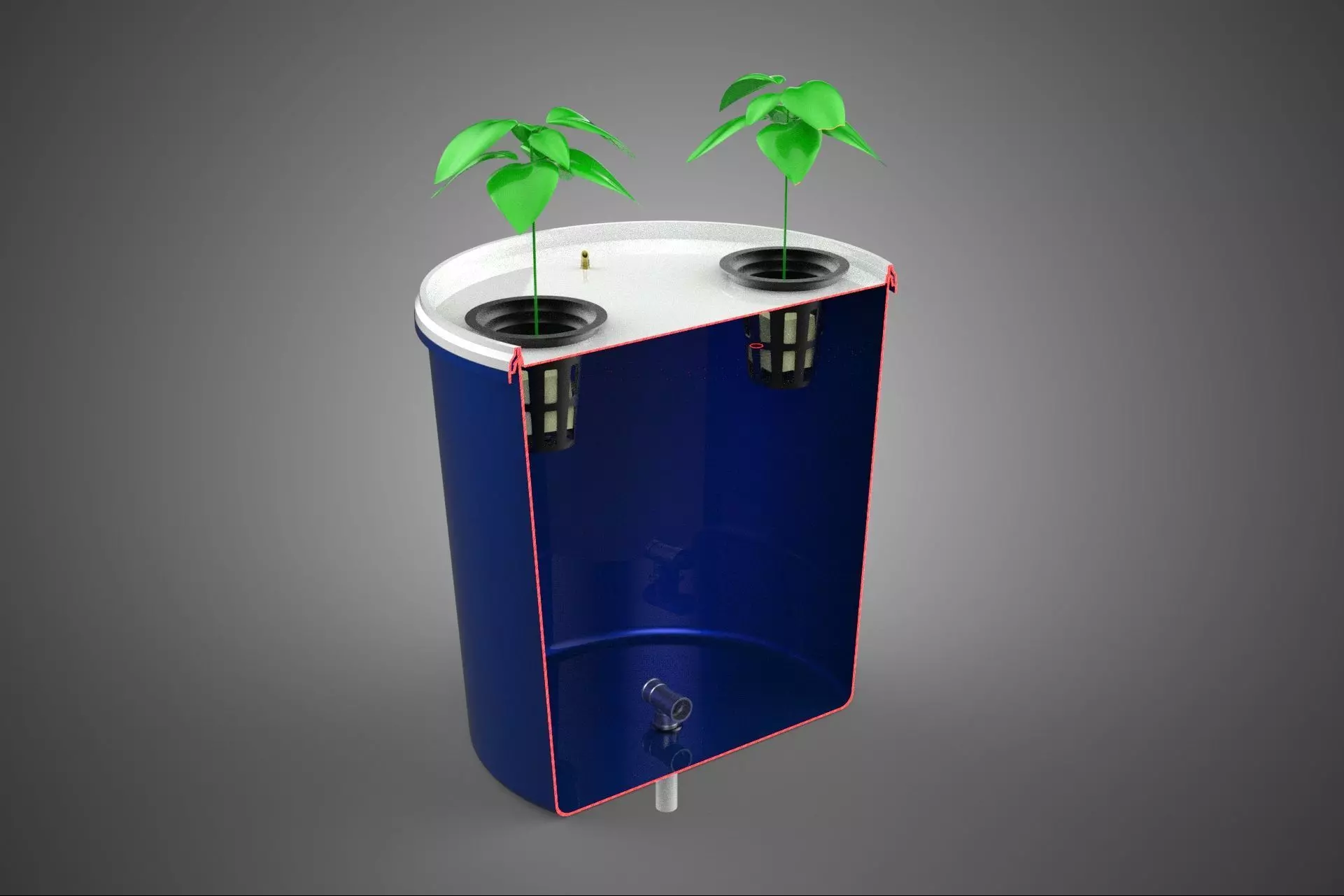
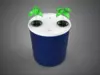
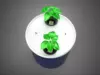
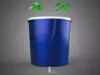
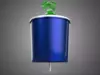
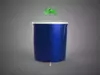
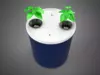
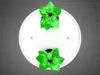
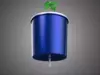
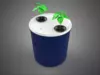
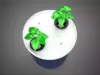
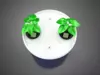
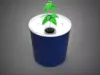
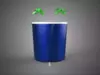
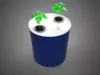
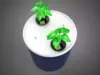
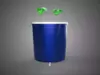
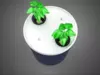
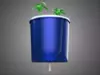
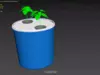
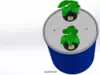
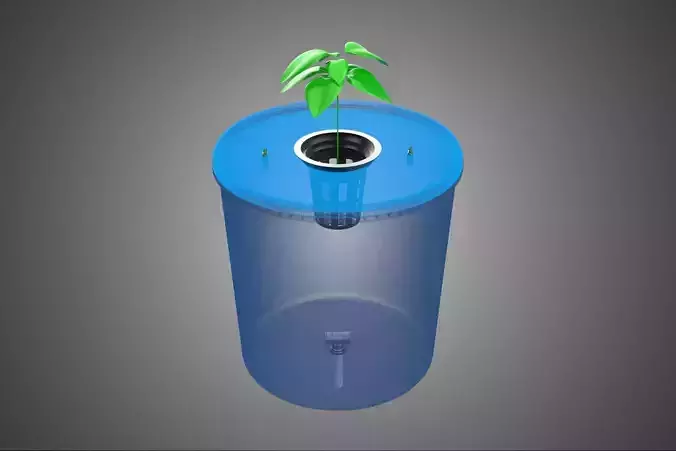
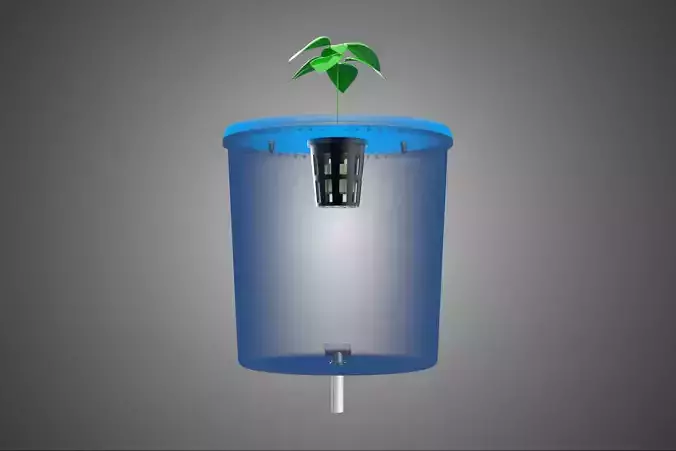
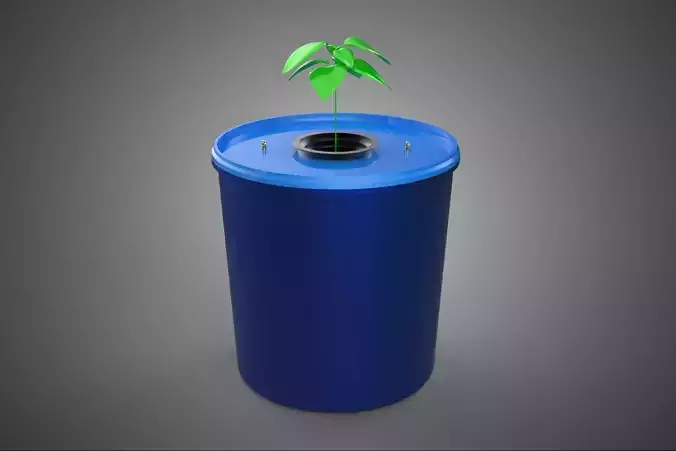
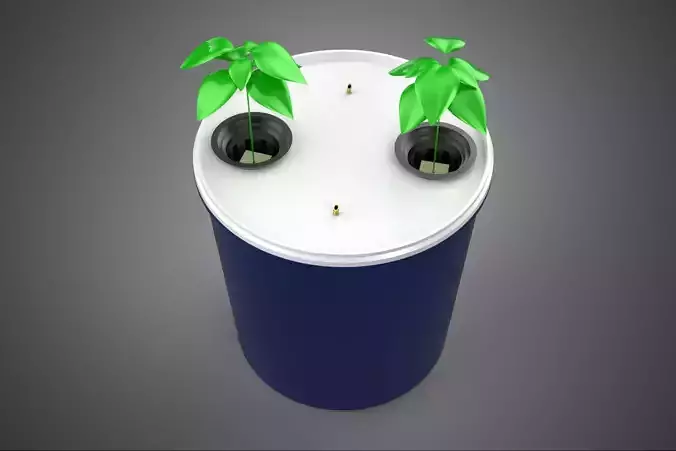
The Cutaway Dual Plant Bucket Indoor Gardening Pot Cultivation System is a specialized horticultural apparatus designed for controlled environment agriculture (CEA), primarily utilized in domestic or research-oriented indoor settings. This system integrates distinct features—compartmentalization, volume capacity, and visual accessibility—to facilitate the simultaneous cultivation of two separate plant specimens within a single, unified container structure.
Design and Engineering Specifications
The system is structurally characterized by its bucket format, generally indicative of a cylindrical or truncated conical vessel offering substantial vertical depth to accommodate robust or deep-rooting species. The typical capacity often exceeds 10 liters (approximately 2.6 gallons) to ensure adequate substrate volume and moisture retention.
1. Dual Plant Configuration:
The interior volume of the pot is systematically divided by a non-permeable structural partition. This segregation ensures that the two growing chambers maintain distinct substrate matrices, preventing intermingling of root systems (rhizospheres) and allowing for independent management of substrate pH, nutritional input, or water delivery specific to the requirements of the individual plants. The partition extends from the base to the lip of the pot.
2. Cutaway Viewing Panel:
The defining feature is the cutaway section, which typically comprises a vertical viewing window composed of a highly transparent, durable material such as acrylic or high-grade polycarbonate. This panel replaces a section of the opaque primary container wall, allowing for direct, non-destructive observation of the internal substrate layers, moisture distribution, and, critically, the development and health of the subterranean root network. This feature provides essential diagnostic information, enabling users to monitor root saturation levels, identify potential fungal colonization (e.g., root rot), or assess root-bound conditions without physically disturbing the plants.
3. Material and Drainage:
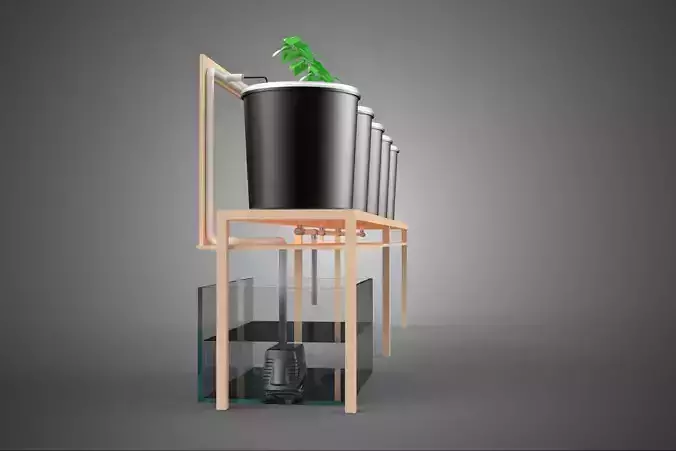
The primary body of the pot is constructed from resilient, opaque, and often UV-stabilized plastic polymers, such as polypropylene (PP) or High-Density Polyethylene (HDPE), selected for their longevity, chemical inertness, and lightweight characteristics. The base incorporates a specialized drainage architecture, often featuring multiple egress points to prevent anaerobic conditions. In some advanced configurations, the dual chambers may share a common reservoir for passive sub-irrigation (wicking systems) or separate, monitored drainage channels for precise leachate analysis.
Functional Applications and Methodology
The Cutaway Dual Plant Bucket is employed across several horticultural domains:
- Educational Horticulture: Its transparency makes it an invaluable tool for pedagogical purposes, allowing students or researchers to directly visualize plant physiological processes, including root tropism, nutrient uptake visualization via staining, and the progression of root senescence.
- Comparative Cultivation Studies: The dual chamber permits controlled experimentation where two different varieties of the same species, two distinct species, or the effects of two unique cultivation variables (e.g., nutrient formulations, light spectrum response, or substrate types) can be compared simultaneously under near-identical environmental conditions.
- Space Optimization: For indoor gardeners operating under strict spatial limitations, the dual-chamber design maximizes the diversity of cultivated species within a compact footprint.
### Comparative Advantages
The integrated design offers advantages over standard cultivation methods. The bucket format provides structural stability for larger, bushier plants. The dual configuration enhances resource efficiency by consolidating management efforts. Most significantly, the cutaway function transforms the pot from a simple container into a diagnostic instrument, providing an ecological cross-section of the plant’s environment previously accessible only through invasive methods.
KEYWORDS: Indoor Gardening, Cutaway Pot, Dual Chamber, Root Observation, Hydroponics, Substrate Analysis, Horticultural Apparatus, Comparative Study, Controlled Environment Agriculture, Polypropylene, Polycarbonate, Rhizosphere Monitoring, Cultivation System, Deep Rooting, Container Gardening, Soil Science, Educational Tool, Plant Pathology, Nutrient Uptake, Vertical Farming, Passive Sub-irrigation, Diagnostic Container, HDPE, Plant Morphology, Root Rot Detection, Small-scale Farming, Space Optimization, Herb Cultivation, Vegetable Growing, Cylindrical Pot.