High-quality 3D assets at affordable prices — trusted by designers, engineers, and creators worldwide. Made with care to be versatile, accessible, and ready for your pipeline.
Included File Formats
This model is provided in 14 widely supported formats, ensuring maximum compatibility:
• - FBX (.fbx) – Standard format for most 3D software and pipelines
• - OBJ + MTL (.obj, .mtl) – Wavefront format, widely used and compatible
• - STL (.stl) – Exported mesh geometry; may be suitable for 3D printing with adjustments
• - STEP (.step, .stp) – CAD format using NURBS surfaces
• - IGES (.iges, .igs) – Common format for CAD/CAM and engineering workflows (NURBS)
• - SAT (.sat) – ACIS solid model format (NURBS)
• - DAE (.dae) – Collada format for 3D applications and animations
• - glTF (.glb) – Modern, lightweight format for web, AR, and real-time engines
• - 3DS (.3ds) – Legacy format with broad software support
• - 3ds Max (.max) – Provided for 3ds Max users
• - Blender (.blend) – Provided for Blender users
• - SketchUp (.skp) – Compatible with all SketchUp versions
• - AutoCAD (.dwg) – Suitable for technical and architectural workflows
• - Rhino (.3dm) – Provided for Rhino users
Model Info
• - All files are checked and tested for integrity and correct content
• - Geometry uses real-world scale; model resolution varies depending on the product (high or low poly)
• • - Scene setup and mesh structure may vary depending on model complexity
• - Rendered using Luxion KeyShot
• - Affordable price with professional detailing
Buy with confidence. Quality and compatibility guaranteed.
If you have any questions about the file formats, feel free to send us a message — we're happy to assist you!
Sincerely,
SURF3D
Trusted source for professional and affordable 3D models.
More Information About 3D Model :
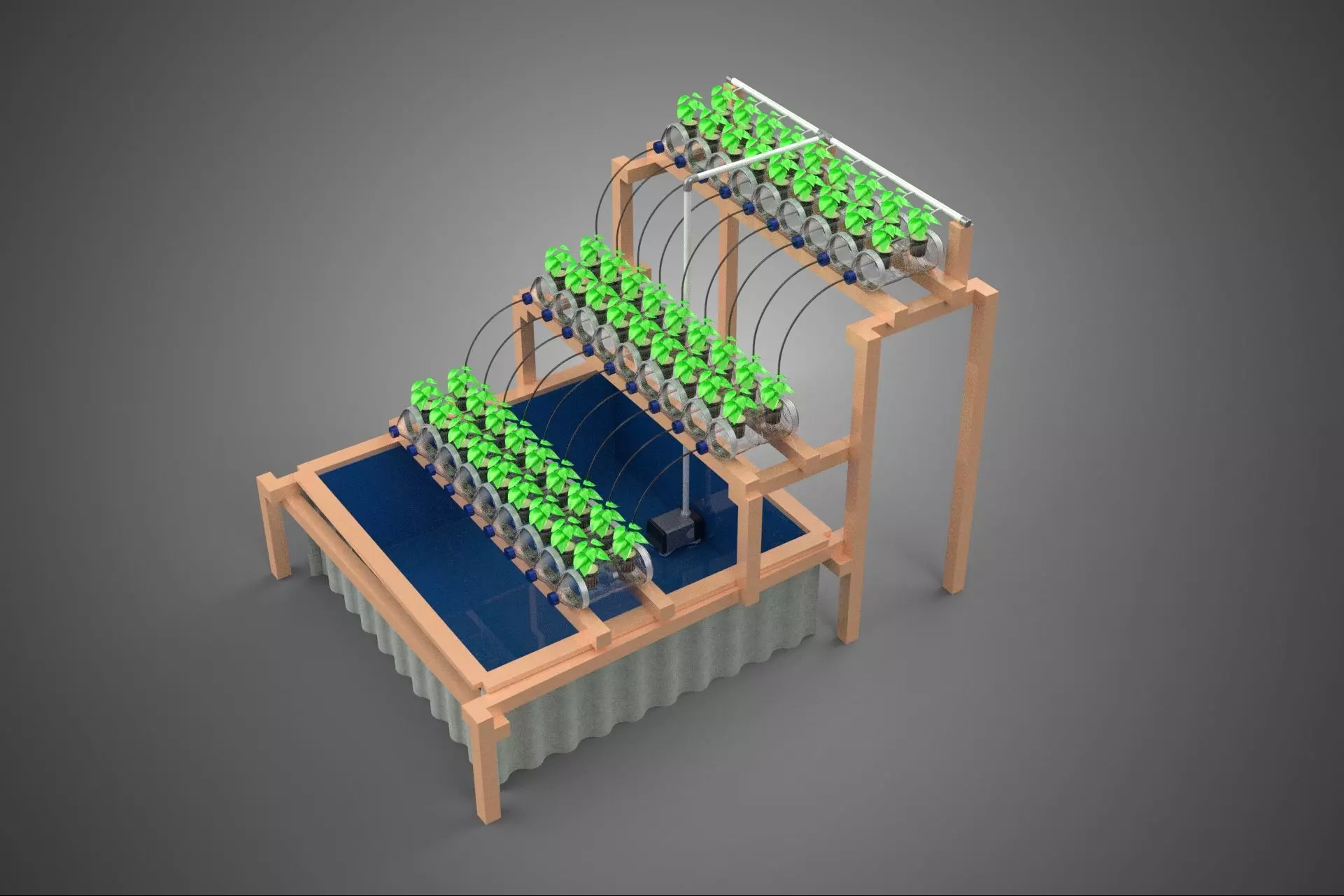
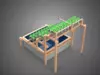
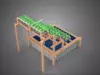
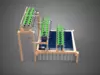
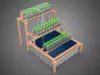
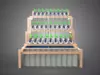
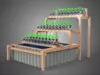
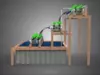
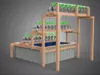
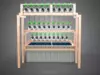
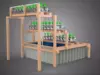
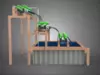
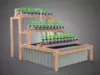
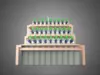
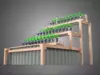
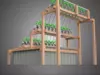
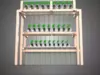
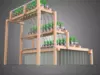
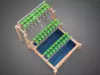
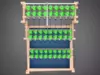
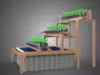
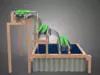
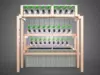
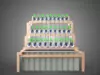
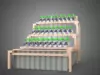
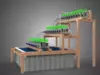
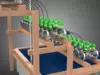
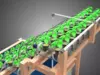
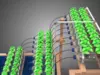
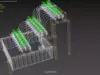
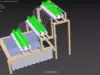
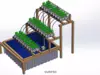
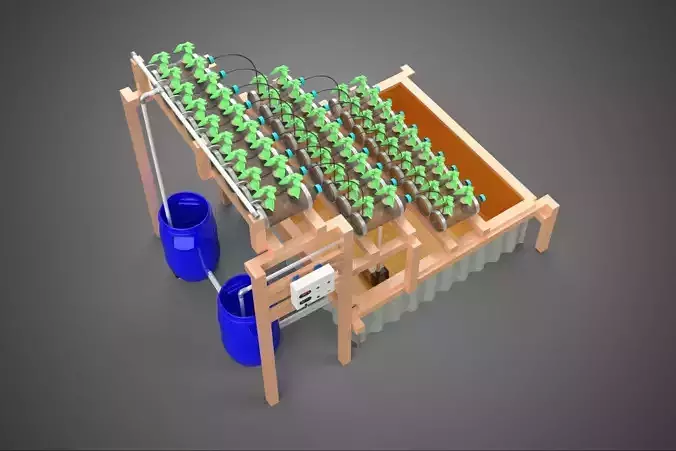
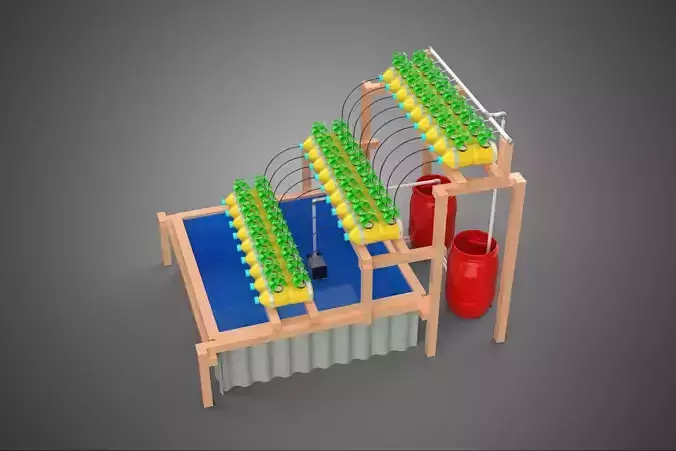
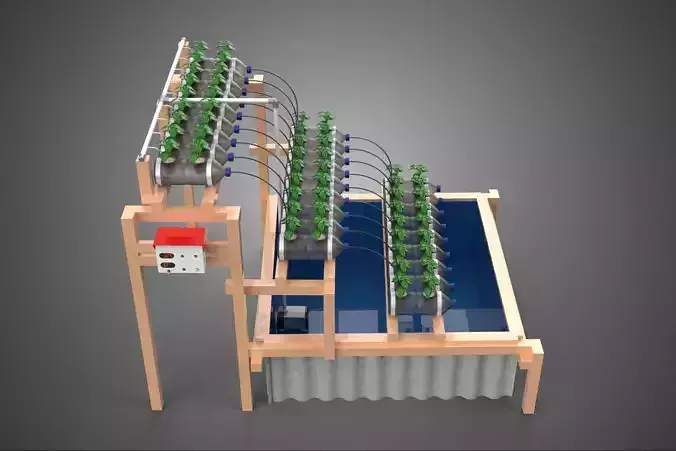
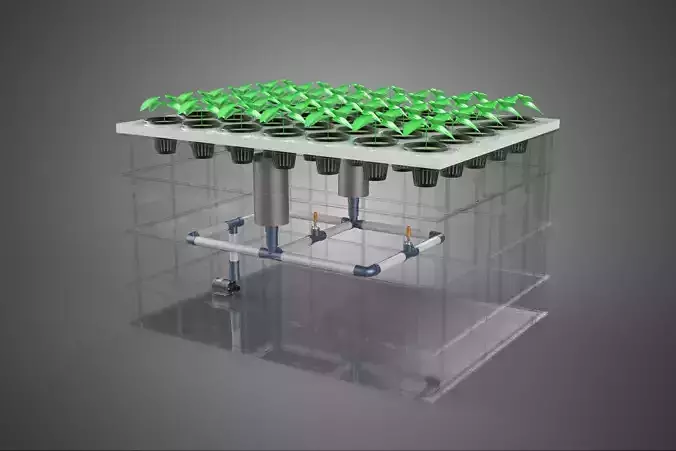
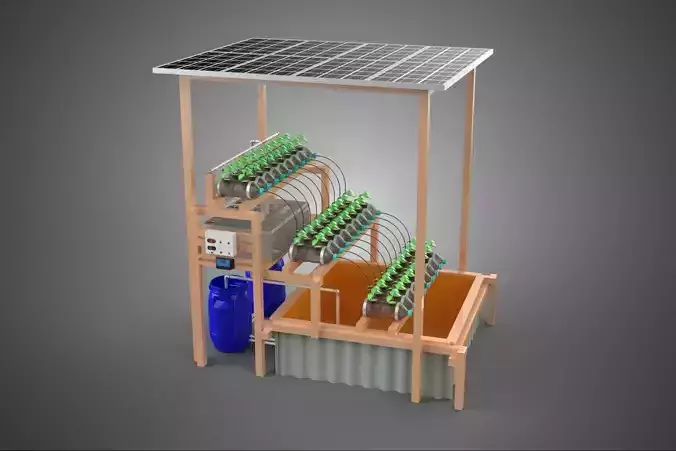
The DIY Mineral Plastic Water Bottle Hydroponic Soilless Pot Plant system describes an accessible, do-it-yourself method for cultivating individual plants without traditional soil, utilizing re-purposed polyethylene terephthalate (PET) plastic water bottles as primary containers. This system integrates the principles of hydroponics, a soilless cultivation technique where plants receive essential mineral nutrients dissolved in water, thereby eliminating the need for soil as a growth medium or nutrient source. The pot plant designation emphasizes its suitability for cultivating single plants or small groupings, typically for indoor environments, small balconies, or educational purposes.
I. Principles of Operation
At its core, this system operates on hydroponic principles, providing plants with a precisely formulated, water-based nutrient solution directly to their roots. This bypasses the inefficiencies of soil, where nutrients may be unevenly distributed, leached, or locked away. The plastic water bottle serves as a dual-purpose container: the lower section acts as a reservoir for the nutrient solution, while the inverted upper section cradles the plant and its inert growing medium. Depending on the specific configuration, nutrient delivery can occur through capillary action (wick system), direct root immersion (passive deep water culture or Kratky method), or occasional manual top-feeding.
II. Key Components and Materials
- Plastic Water Bottle (PET): Typically a 1-to-2-liter capacity bottle, it is cut horizontally, usually around two-thirds from the bottom. The bottom part forms the nutrient reservoir, and the top part, with its neck acting as a funnel, becomes the plant support structure.
- Inert Growing Medium: As soil is excluded, an inert, porous medium is used to physically support the plant and provide aeration to the roots, while allowing the nutrient solution to flow freely. Common choices include rockwool, coco coir, perlite, vermiculite, or a combination thereof.
- Mineral Nutrient Solution: This is a carefully balanced mixture of essential plant macro- and micronutrients (e.g., nitrogen, phosphorus, potassium, calcium, magnesium, iron, boron, zinc) dissolved in water. Commercial hydroponic nutrient formulations, often in two or more parts, are commonly used to ensure all necessary elements are available in bio-available forms. Tap water, once tested for its mineral content and pH, is typically used as the base.
- Plant Material: Small plants, seedlings, or rooted cuttings are ideal for this system. Popular choices include leafy greens (lettuce, spinach), culinary herbs (basil, mint, parsley), strawberries, and small flowering plants.
- Wick (Optional): For wick systems, a material such as nylon rope, felt, or cotton string is passed through the bottle neck, extending from the growing medium into the nutrient solution to draw water upwards via capillary action.
- Light Source: Natural sunlight or artificial grow lights (LEDs, fluorescents) are essential for photosynthesis, depending on the plant species and its placement.
III. Construction and Operation
The typical construction involves cutting a plastic bottle, often leaving the cap on the inverted top section and drilling or melting holes in it to allow roots and a wick (if used) to pass through. The plant is placed in the growing medium within the inverted top section. This section is then nested into the bottom reservoir, ensuring the base of the growing medium or the wick is submerged in the nutrient solution. For passive systems (e.g., Kratky method), the solution level gradually drops as the plant consumes it, creating an air gap for root respiration. Nutrient solution levels are periodically replenished, and the solution may be completely replaced every 1-3 weeks to prevent nutrient imbalance or pathogen accumulation. Monitoring the pH and electrical conductivity (EC) of the nutrient solution is recommended for optimal plant health.
IV. Advantages and Disadvantages
Advantages:
- Sustainability: Re-purposes plastic waste, contributing to waste reduction and circular economy principles.
- Water Efficiency: Hydroponic systems generally use significantly less water than traditional soil gardening, as water is recirculated or contained, minimizing evaporation and runoff.
- Space Efficiency: Ideal for urban dwellers or those with limited gardening space, allowing for vertical or compact cultivation.
- Faster Growth and Higher Yields: Direct nutrient delivery often results in accelerated plant growth and increased productivity compared to soil-based methods.
- Reduced Pests and Diseases: Eliminates many soil-borne pathogens and pests, simplifying pest management.
- Educational Value: Serves as an excellent hands-on learning tool for understanding plant science, hydroponics, and sustainability.
- Cost-Effectiveness: Utilizes readily available and inexpensive materials, making it a low-cost entry point into hydroponics.
Disadvantages:
- Nutrient Management: Requires careful monitoring and adjustment of nutrient solution pH and EC for optimal plant health.
- Initial Setup: While simple, understanding the principles and proper nutrient mixing requires an initial learning curve.
- Limited Scale: Best suited for individual or small numbers of plants; scaling up requires more complex systems.
- Potential for Algae/Root Rot: Stagnant water and light exposure to the reservoir can lead to algae growth or anaerobic conditions, potentially causing root rot. Darkening the reservoir can mitigate this.
- Dependency on External Inputs: Relies on purchased mineral nutrient solutions, which may not be considered fully organic by some standards.
V. Applications and Variations
This DIY system is commonly employed for hobby gardening, educational projects (STEM education), and small-scale home production of herbs, lettuce, and other leafy greens. Variations include:
- Wick System: Utilizes a wicking material to draw nutrient solution to the roots.