High-quality 3D assets at affordable prices — trusted by designers, engineers, and creators worldwide. Made with care to be versatile, accessible, and ready for your pipeline.
Included File Formats
This model is provided in 14 widely supported formats, ensuring maximum compatibility:
• - FBX (.fbx) – Standard format for most 3D software and pipelines
• - OBJ + MTL (.obj, .mtl) – Wavefront format, widely used and compatible
• - STL (.stl) – Exported mesh geometry; may be suitable for 3D printing with adjustments
• - STEP (.step, .stp) – CAD format using NURBS surfaces
• - IGES (.iges, .igs) – Common format for CAD/CAM and engineering workflows (NURBS)
• - SAT (.sat) – ACIS solid model format (NURBS)
• - DAE (.dae) – Collada format for 3D applications and animations
• - glTF (.glb) – Modern, lightweight format for web, AR, and real-time engines
• - 3DS (.3ds) – Legacy format with broad software support
• - 3ds Max (.max) – Provided for 3ds Max users
• - Blender (.blend) – Provided for Blender users
• - SketchUp (.skp) – Compatible with all SketchUp versions
• - AutoCAD (.dwg) – Suitable for technical and architectural workflows
• - Rhino (.3dm) – Provided for Rhino users
Model Info
• - All files are checked and tested for integrity and correct content
• - Geometry uses real-world scale; model resolution varies depending on the product (high or low poly)
• • - Scene setup and mesh structure may vary depending on model complexity
• - Rendered using Luxion KeyShot
• - Affordable price with professional detailing
Buy with confidence. Quality and compatibility guaranteed.
If you have any questions about the file formats, feel free to send us a message — we're happy to assist you!
Sincerely,
SURF3D
Trusted source for professional and affordable 3D models.
More Information About 3D Model :
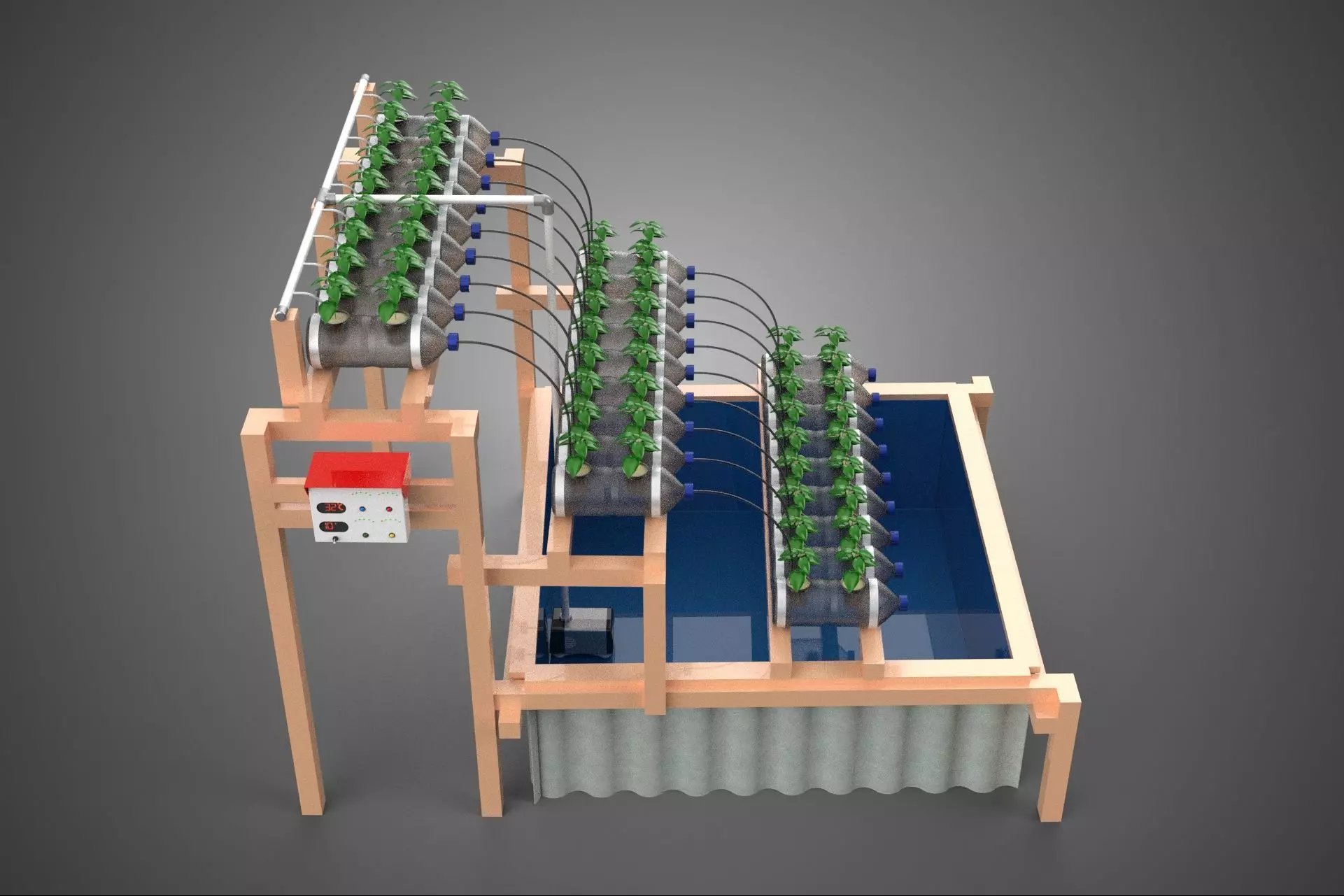
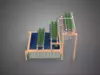
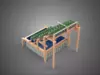
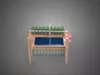
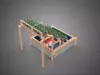
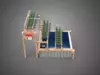
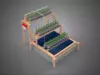
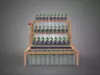
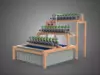
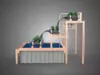
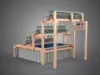
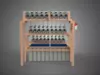
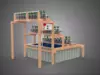
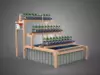
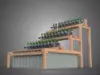
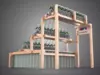
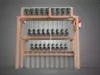
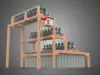
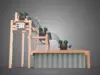
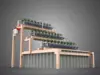
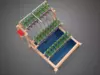
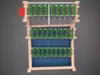
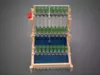
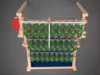
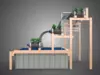
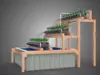
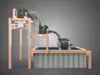
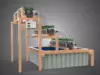
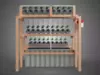
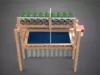
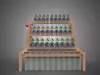
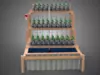
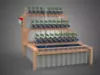
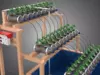
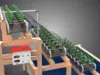
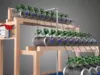
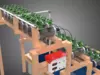
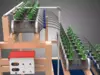
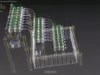
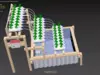
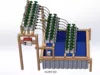
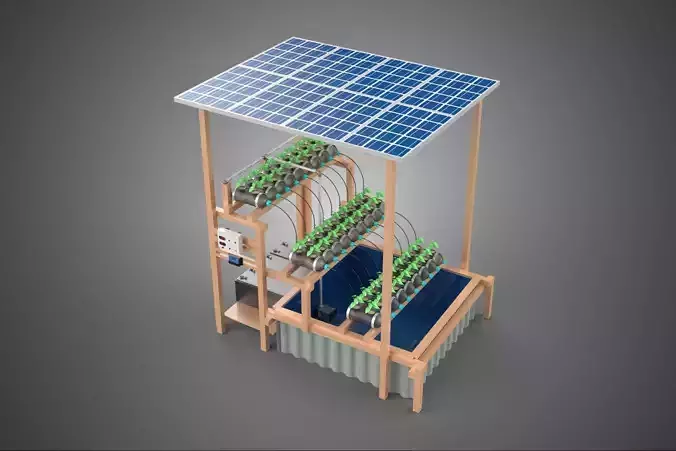
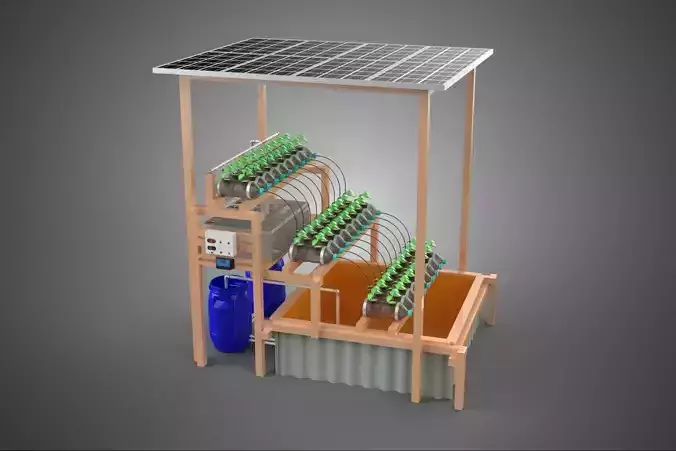
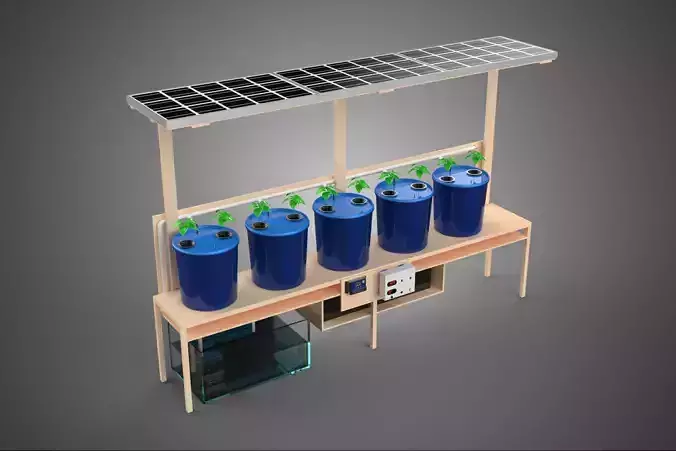
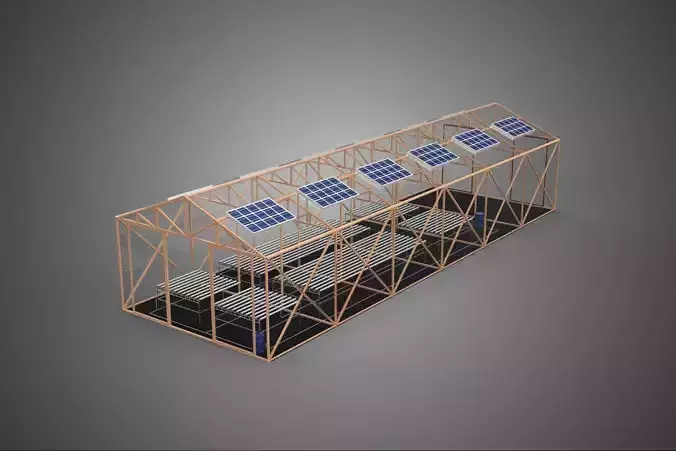
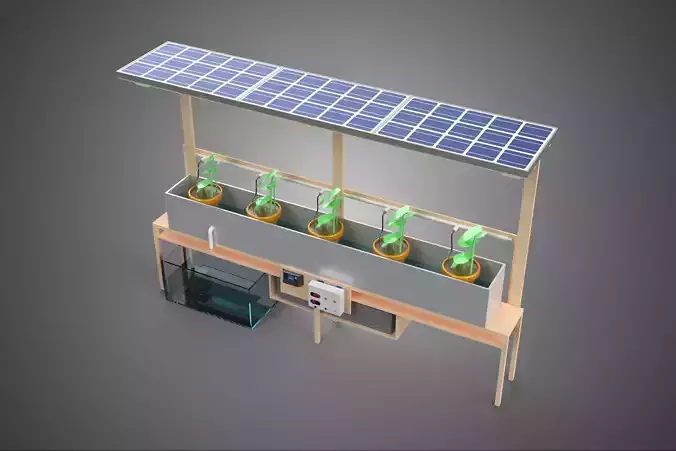
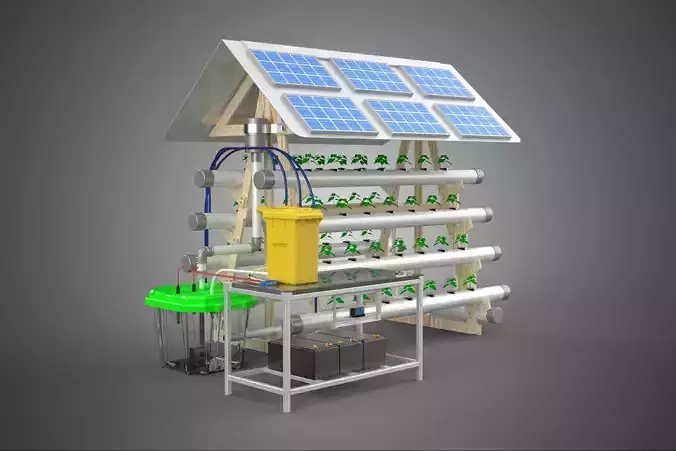
The Auto Control Hydroponic Plant Plastic Water Bottle Container PET describes a specific type of self-contained, automated hydroponic system designed for cultivating plants without soil, utilizing a container primarily constructed from Polyethylene Terephthalate (PET) plastic. These systems are characterized by their inherent mechanisms that regulate essential aspects of plant care, predominantly the delivery of water and nutrient solutions, thereby minimizing manual intervention.
Principle of Operation:
The auto control functionality in these small-scale hydroponic setups typically relies on passive methods to ensure a consistent supply of nutrient solution to the plant roots. Common implementations include:
- Wicking Systems: These involve a wicking material (e.g., felt, fabric strip, rope) that connects a reservoir of nutrient solution to the plant's root zone. Capillary action draws the liquid upwards, continuously replenishing moisture and nutrients as the plant absorbs them, thus maintaining a stable growing environment.
- Kratky Method Variants: In this passive approach, the plant is suspended with its roots partially immersed in a static reservoir of nutrient solution. As the plant grows and consumes the solution, the liquid level drops, naturally creating an air gap that allows the roots to access both dissolved oxygen and the remaining nutrients. While not involving active replenishment, the system is self-regulating over a significant portion of the plant's growth cycle.
- Passive Drip Systems: Though less common for direct water bottle conversions, some designs might incorporate a gravity-fed or siphoning mechanism from an elevated reservoir to provide a slow, continuous drip of nutrient solution to the plant.
These auto-control mechanisms are advantageous for maintaining consistent moisture and nutrient levels without requiring electrical pumps, timers, or frequent manual watering, rendering them suitable for low-maintenance indoor gardening, educational initiatives, and environments with limited space.
Design and Materials:
The primary structural component is the container, made from PET plastic. PET is a preferred material due to several properties:
- Transparency: Facilitates the monitoring of root development and nutrient solution levels. However, this transparency can also promote undesirable algae growth if exposed to light.
- Lightweight and Durable: Offers ease of handling and resistance to breakage, making it practical for home and educational use.
- Cost-effectiveness and Availability: Especially when utilizing repurposed post-consumer beverage bottles, PET provides an economical and readily available solution.
- Recyclability: Supports sustainability objectives by converting waste materials into functional horticultural equipment, promoting a circular economy.
Typical designs often feature two interconnected sections: a lower reservoir for the nutrient solution and an upper section (sometimes an inverted bottle top or a net pot) that houses the plant and its inert growing medium (e.g., rockwool, coco coir, perlite), allowing roots to grow downwards into the solution.
Applications and Benefits:
These auto-control hydroponic systems are widely adopted by:
- DIY Enthusiasts: Providing an accessible and affordable entry point into the field of hydroponics and sustainable gardening practices.
- Educational Institutions: Serving as practical tools for hands-on learning in botany, environmental science, and basic engineering principles.
- Urban Gardeners: Enabling efficient plant cultivation in compact spaces like apartment windowsills, small balconies, or office desks.
- Individuals Seeking Low-Maintenance Solutions: Ideal for those with busy schedules or who travel frequently, as they require less daily attention than traditional potted plants.
Key benefits include:
- Water and Nutrient Efficiency: Hydroponics inherently consumes less water than conventional soil-based agriculture, and the auto-control feature further optimizes nutrient delivery, minimizing waste.
- Environmental Sustainability: Repurposing PET bottles reduces landfill waste and contributes to resource conservation.
- Ease of Use: The automated nature significantly reduces the need for frequent manual watering and simplifies nutrient management.
- Space Efficiency: Their compact design allows for plant cultivation in very confined areas.
- Controlled Growing Environment: Facilitates easier management of pests and diseases in soilless, often indoor, setups.
Limitations and Considerations:
Despite their advantages, these systems present certain limitations:
- Limited Plant Size: They are generally best suited for smaller plants, culinary herbs, and leafy greens due to the restricted volume and structural capacity of the bottle container.
- Algae Growth: The transparency of PET can lead to algae proliferation within the nutrient solution if exposed to light, which can compete with plants for nutrients and alter the solution's pH.
- Nutrient Depletion: Passive systems may require periodic monitoring and replenishment of the nutrient solution, particularly for plants with high nutrient uptake rates or during extended growth cycles.
- Material Degradation: Prolonged exposure to ultraviolet (UV) light can degrade PET plastic over time, potentially compromising its structural integrity and, in some cases, leading to the leaching of microplastics or chemical compounds.
In conclusion, the Auto Control Hydroponic Plant Plastic Water Bottle Container PET represents an innovative, sustainable, and accessible approach to small-scale plant cultivation. By integrating automation with repurposed materials, it democratizes hydroponics, making it an efficient and engaging method for a diverse user base.