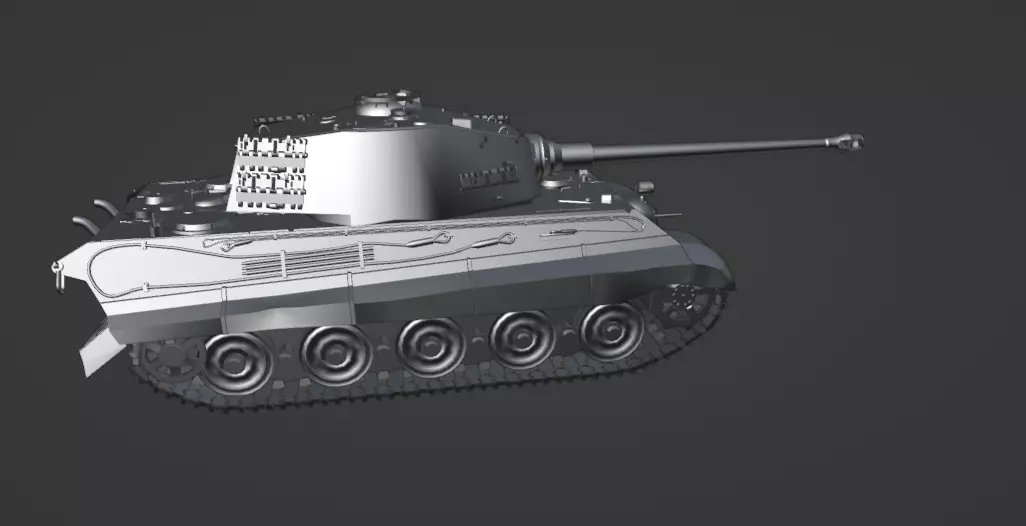
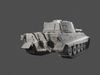
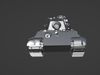
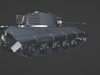
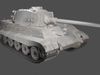
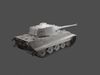
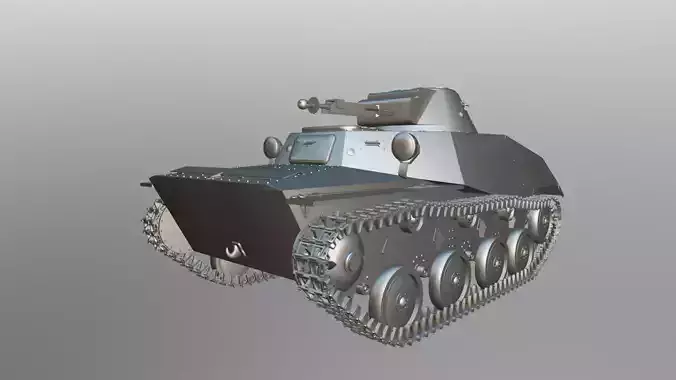
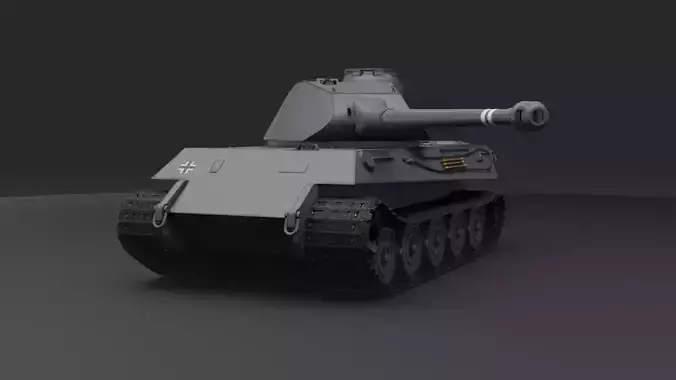
The Panzerkampfwagen Tiger Ausf. B, commonly known as the Tiger II or King Tiger, was a German heavy tank used during World War II. It was developed as a successor to the Tiger I tank and was designed to address some of the shortcomings of its predecessor.
Here are some key characteristics of the Tiger II:
-
Armor:
- The Tiger II featured exceptionally thick armor, providing excellent protection against most contemporary tank weapons.
- The front armor was particularly formidable, making it difficult for enemy tanks to penetrate.
-
Armament:
- The main armament of the Tiger II was the 8.8 cm KwK 43 L/71 gun, which was highly effective against enemy tanks and vehicles.
- It also had a coaxial machine gun for anti-infantry purposes.
-
Mobility:
- Despite its heavy weight and large size, the Tiger II had a powerful engine that allowed it to reach respectable speeds on roads.
- However, its off-road mobility was somewhat limited due to its weight and the difficult terrain encountered on the Eastern and Western Fronts.
-
Production and Deployment:
- The Tiger II entered production in 1944, and relatively fewer units were produced compared to other German tanks.
- It saw action on both the Eastern and Western Fronts, and its presence on the battlefield had a psychological impact on Allied forces.
-
Challenges:
- The Tiger II faced logistical challenges due to its weight, making transportation and maintenance difficult.
- Its production was resource-intensive, requiring significant amounts of materials and labor.
The Tiger II was one of the heaviest and most powerful tanks of World War II, but its effectiveness was somewhat limited by factors such as its mechanical reliability, fuel consumption, and the challenges of transportation. Despite its advanced design, the Tiger II could not reverse the tide of the war for Germany, which was facing increasing challenges on multiple fronts during the later stages of World War II.