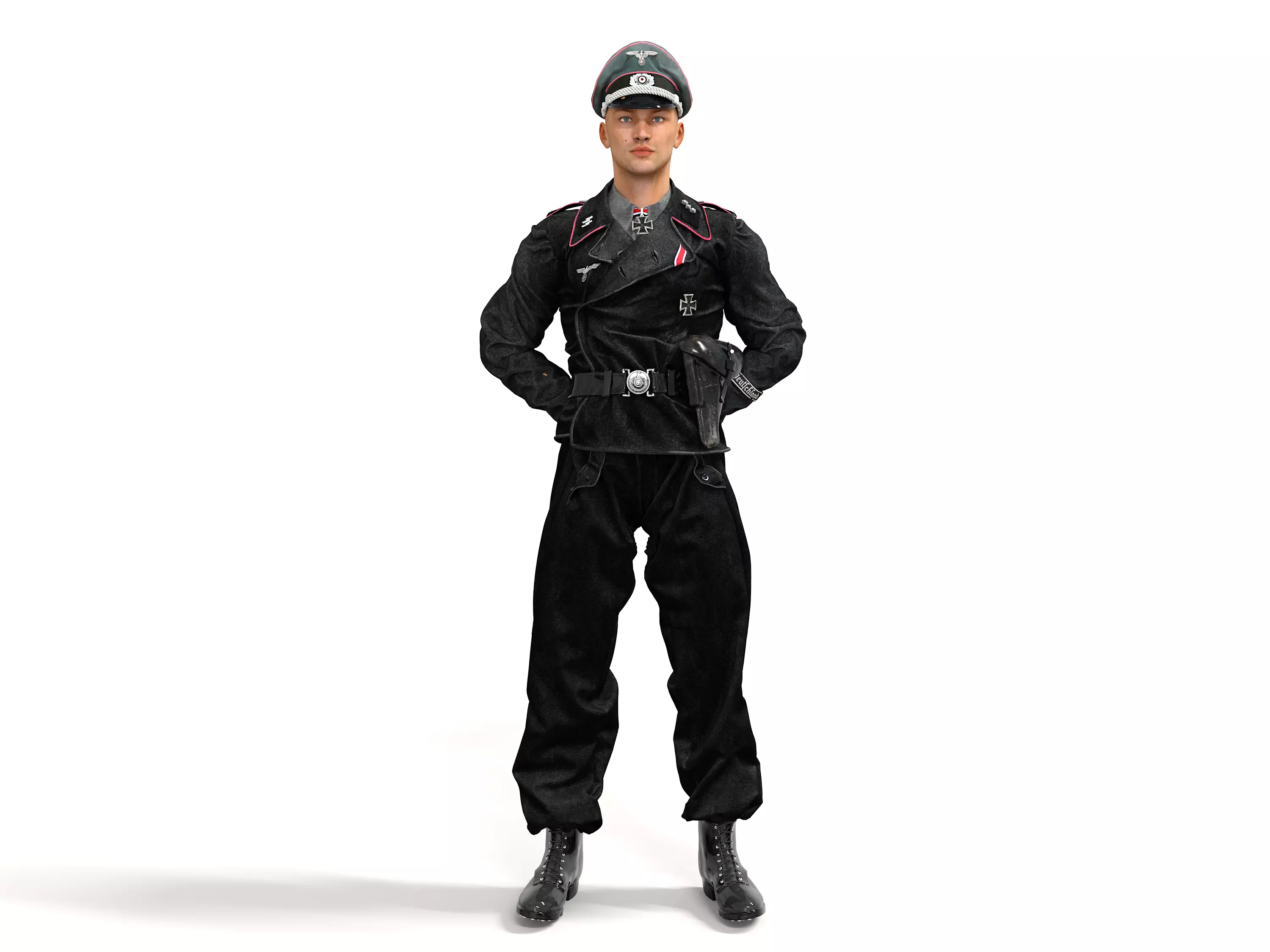
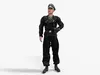
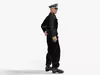
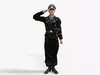
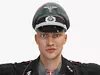
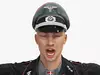
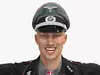
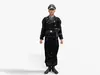
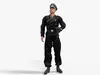
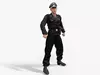
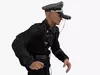
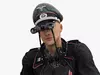
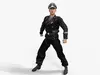
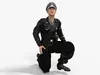
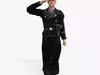
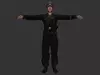
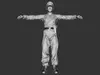
German Panzer Crew WWii Officer - Panzerwaffe SS
Photorealistic
Low-poly
PBR/Gameready
4K Texture Map
Ankle Boots36315 vertices, 38456 polygons, 64 bonesBelt9709 vertices, 9669 polygons, 21 bonesBinoculars602 vertices, 563 polygons, 64 bonesCufftitle1562 vertices, 1351 polygons, 64 bonesHeadphones6204 vertices, 6115 polygons, 64 bonesJacket121720 vertices, 233086 polygons, 64 bonesKnight cross98 vertices, 96 polygons, 64 bonesPants123098 vertices, 213778 polygons, 64 bonesShoulder Straps5052 vertices, 4356 polygons, 21 bonesTabs429 vertices, 370 polygons, 64 bonesThroatmic26078 vertices, 25718 polygons, 64 bonesBody68498 vertices, 66830 polygons, 64 bonesBinoculars8361 vertices, 16726 polygonsHauptsharfuhrer2288 vertices, 2284 polygonsHeadphones 75545 vertices, 75599 polygonsHolster7788 vertices, 7780 polygonsIron cross813 vertices, 1550 polygonsKnight cross1209 vertices, 1922 polygonsLuger22328 vertices, 46070 polygonsObersturmfuhrer3432 vertices, 3426 polygonsRibbon911 vertices, 909 polygonsThroatmic 13802 vertices, 13772 polygonsCap77049 vertices, 149101 polygons
German World War II tank crews (Panzertruppe) were elite, highly trained specialists. Operating inside famous armored fighting vehicles like the Panzer IV and Tiger, a standard medium or heavy tank crew typically consisted of five men: the commander, gunner, loader, driver, and radio operator/bow gunner.You can read a broader historical overview of the armored force on Panzerwaffe - Wikipedia and explore technical breakdowns of German tanks in World War II - Wikipedia.Crew Roles and ResponsibilitiesCommander: Sat in the turret, directed the tank's movement and target selection, and coordinated with other vehicles.Gunner: Sat inside the turret next to the main breach to aim and fire the primary gun.Loader: Handled heavy ammunition rounds, feeding the main gun under extreme combat stress.Driver: Positioned in the front hull, operating the steering, gears, and throttle.Radio Operator / Bow Gunner: Operated the hull machine gun and managed the radio equipment to maintain tactical communication.Uniforms and Distinctive LookBlack Panzer Wraps: Crew members wore iconic, close-fitting black wool jackets (Schirmmütze or wraparound tunics) designed to hide oil, grease, and dirt stains.Pink Piping: Pink piping (Waffenfarbe) on collars and caps denoted armored troops.Crash Helmets: Early war crews wore a padded black beret, later replaced by field caps due to cramped interior spaces.