High-quality 3D assets at affordable prices — trusted by designers, engineers, and creators worldwide. Made with care to be versatile, accessible, and ready for your pipeline.
Included File Formats
This model is provided in 14 widely supported formats, ensuring maximum compatibility:
• - FBX (.fbx) – Standard format for most 3D software and pipelines
• - OBJ + MTL (.obj, .mtl) – Wavefront format, widely used and compatible
• - STL (.stl) – Exported mesh geometry; may be suitable for 3D printing with adjustments
• - STEP (.step, .stp) – CAD format using NURBS surfaces
• - IGES (.iges, .igs) – Common format for CAD/CAM and engineering workflows (NURBS)
• - SAT (.sat) – ACIS solid model format (NURBS)
• - DAE (.dae) – Collada format for 3D applications and animations
• - glTF (.glb) – Modern, lightweight format for web, AR, and real-time engines
• - 3DS (.3ds) – Legacy format with broad software support
• - 3ds Max (.max) – Provided for 3ds Max users
• - Blender (.blend) – Provided for Blender users
• - SketchUp (.skp) – Compatible with all SketchUp versions
• - AutoCAD (.dwg) – Suitable for technical and architectural workflows
• - Rhino (.3dm) – Provided for Rhino users
Model Info
• - All files are checked and tested for integrity and correct content
• - Geometry uses real-world scale; model resolution varies depending on the product (high or low poly)
• • - Scene setup and mesh structure may vary depending on model complexity
• - Rendered using Luxion KeyShot
• - Affordable price with professional detailing
Buy with confidence. Quality and compatibility guaranteed.
If you have any questions about the file formats, feel free to send us a message — we're happy to assist you!
Sincerely,
SURF3D
Trusted source for professional and affordable 3D models.
More Information About 3D Model :
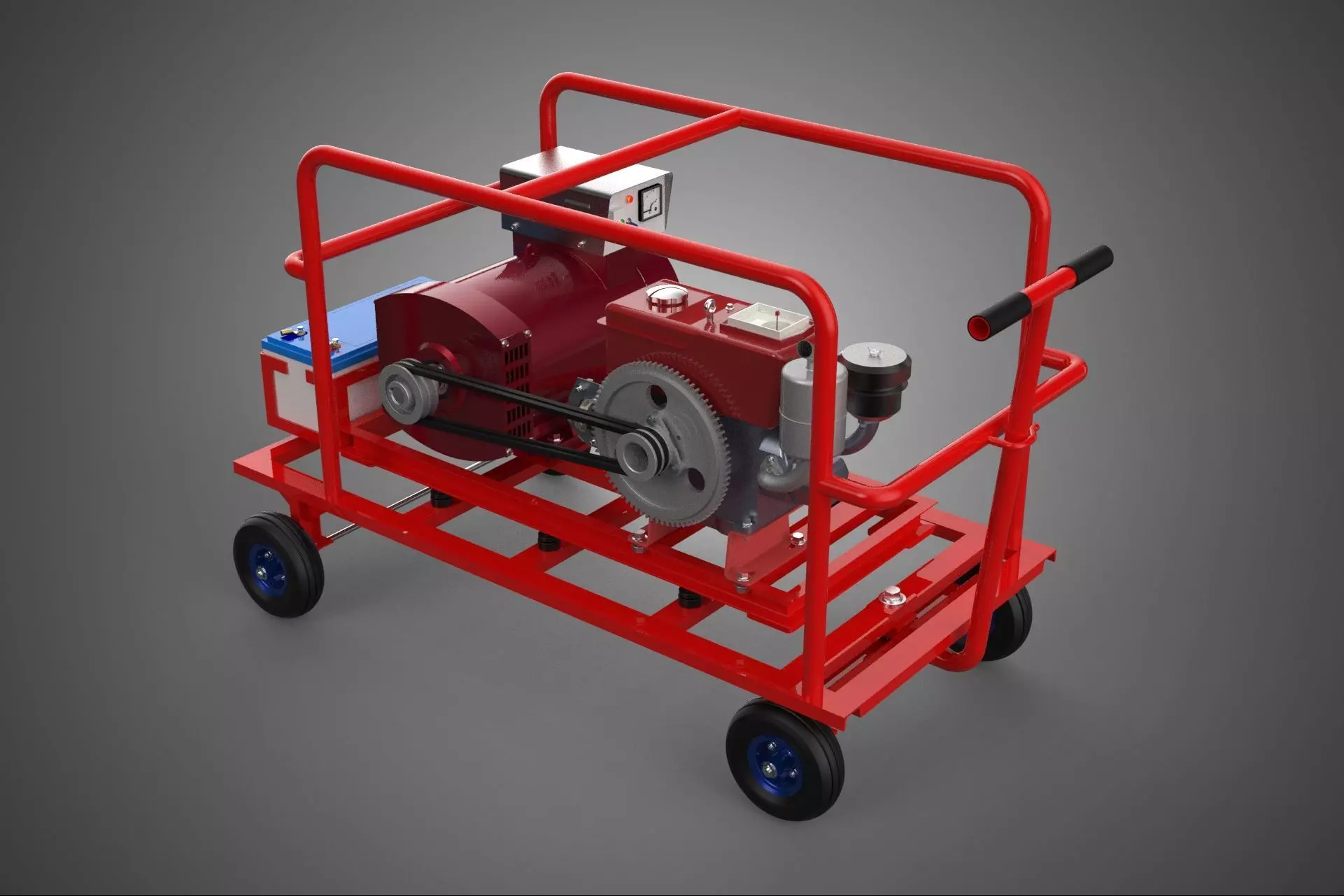
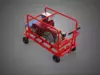
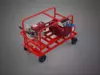
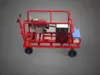
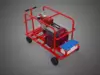
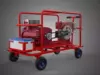
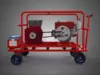
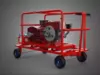
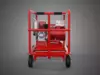
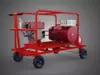
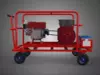
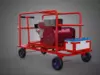
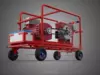
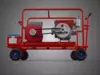
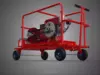
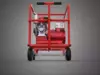
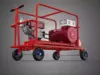
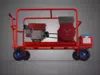
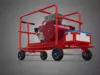
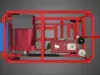
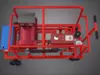
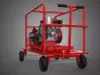
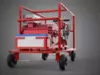
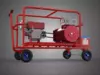
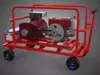
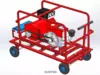
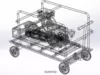
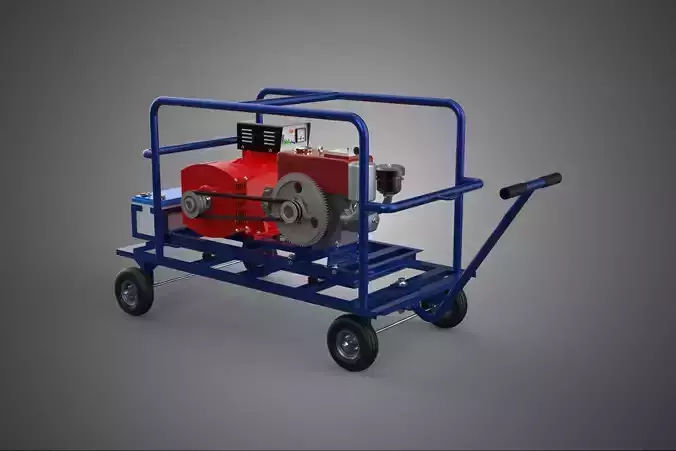
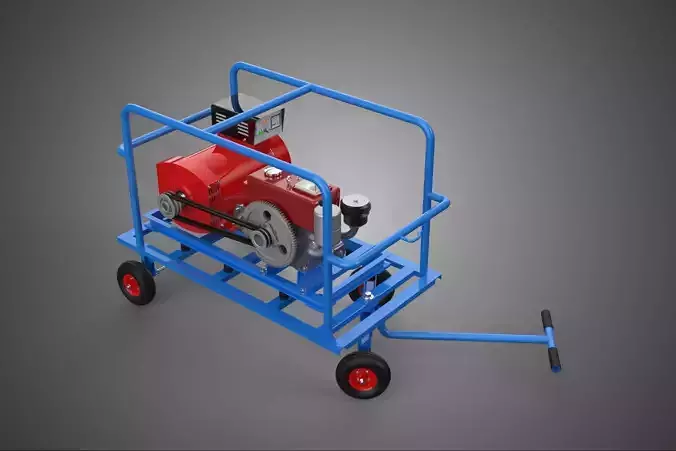
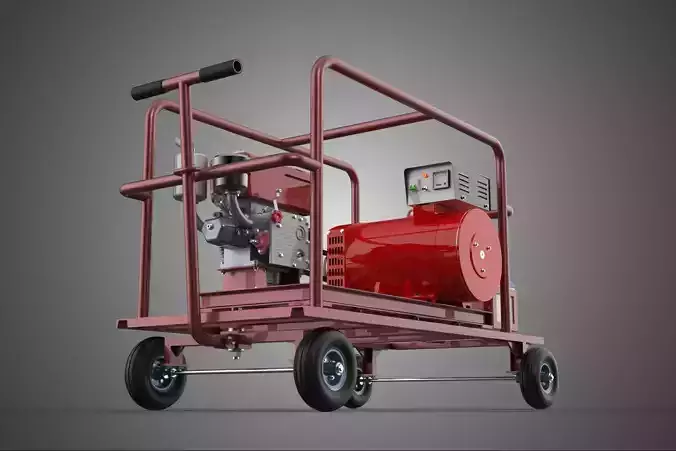
STANDARD DIESEL ENGINE POWER GENERATOR SET MOBILE TROLLEY CART
A Standard Diesel Engine Power Generator Set Mobile Trolley Cart is a specialized apparatus constituting an autonomous electrical power generating unit integrated onto a highly maneuverable, wheeled chassis. This configuration is designed for the provision of temporary, on-demand, and reliable electrical energy, primarily in applications requiring localized or rapidly deployable power sources.
Nomenclature and Classification
The unit is formally classified as a mobile diesel generating set (genset). The inclusion of Standard implies the use of conventional, robust, and widely serviceable compression-ignition (CI) engines, typically operating on a four-stroke cycle principle. The Trolley Cart designation differentiates this unit from larger, vehicle-towed trailer gensets, indicating a frame mounted on casters or small wheels designed for manual handling, often ranging in electrical output capacity from 5 kilovolt-amperes (kVA) to approximately 30 kVA, depending on the engine size and intended duty cycle.
Core Components and Configuration
The mobile trolley cart genset is composed of five principal integrated systems: the prime mover, the generator head (alternator), the fuel system, the control panel, and the structural mobility frame.
1. Prime Mover (Diesel Engine)
The engine serves as the power source, converting chemical energy into rotational mechanical energy. Standard diesel engines used in these applications are characterized by high torque output, fuel efficiency, and inherent durability. Key engine specifications include: direct or indirect fuel injection, liquid (radiator) or air cooling systems, and critical safety shutdowns for parameters such as high coolant temperature, low oil pressure, and engine overspeed. The engine speed is typically regulated via a mechanical or electronic governor to maintain synchronous stability, ensuring the output frequency (50 Hz or 60 Hz) remains constant.
2. Generator Head (Alternator)
Mechanically coupled to the engine via a direct drive shaft, the alternator converts the rotational mechanical energy into electrical energy. Most standard mobile units utilize brushless, synchronous alternators, which require minimal maintenance. They are typically rated for continuous duty and feature automatic voltage regulation (AVR) to maintain stable voltage output across varying load conditions. Output is commonly single-phase or three-phase, depending on the operational requirement.
3. Fuel and Exhaust Systems
The genset includes an integrated fuel tank, often sized to provide 6 to 12 hours of continuous operation at three-quarters load. The system incorporates filtration stages to protect the fuel pump and injectors. The exhaust system manages the expulsion of combustion gases, utilizing mufflers or silencers to mitigate noise pollution, a critical consideration for portable units used in residential or populated areas.
4. Control Panel and Electrical Outputs
The control panel is the central interface for monitoring and operational control. It typically includes instrumentation such as voltmeters, ammeters, frequency meters, hour meters, and warning indicators. Protective devices, including main circuit breakers and grounding points, are integrated for load connection and safety. Modern units may incorporate micro-processor-based controllers for advanced diagnostics and automatic transfer switch (ATS) compatibility, although the trolley cart configuration is primarily used for manual power connection.
5. Mobile Trolley Cart Structure
The chassis is a robust frame, frequently fabricated from welded steel tubing, designed to support the mass and absorb the vibration generated by the running engine. The frame incorporates anti-vibration mounts (AVMs), typically rubber or spring isolators, positioned between the engine/alternator assembly and the frame to minimize the transmission of kinetic energy to the ground. The trolley cart characteristic is defined by the inclusion of handles or tow points and heavy-duty, often lockable, solid or pneumatic wheels, facilitating maneuverability across uneven terrain. Some units feature protective enclosures (canopies) for weather protection and further acoustic dampening.
Operational Applications
Mobile diesel trolley cart gensets are valued for their portability, rapid start-up capability, and operational independence. Their applications are diverse and include:
- Emergency Response: Providing immediate backup power during grid failures for small commercial enterprises, temporary shelters, or vital communication equipment.
- Construction and Field Work: Supplying power to power tools, lighting, and temporary workshops at remote job sites lacking permanent infrastructure.
- Events and Entertainment: Powering sound systems, temporary lighting rigs, and vendor stalls at outdoor functions.
- Agricultural Use: Running pumps, ventilation equipment, or temporary cold storage units in remote farming locations.
The standard diesel engine mobile trolley cart genset represents a critical solution for decentralized power provision where reliability, efficiency, and mobility are paramount considerations.
KEYWORDS: Diesel Generator, Genset, Mobile Power, Trolley Cart, Portable Power, Emergency Power, Standby Generator, Auxiliary Power Unit, Prime Mover, Alternator, Synchronization, AVR, Compression-Ignition, Field Power, Construction Equipment, Electrical Generation, Power Supply, Autonomous Unit, Anti-Vibration Mounts, Synchronous Generator, Standard Engine, Fuel Efficiency, Industrial Equipment, On-Demand Power, Remote Power, Chassis, Wheeled Platform, Power System, Engine Governor, Circuit Breaker.