High-quality 3D assets at affordable prices — trusted by designers, engineers, and creators worldwide. Made with care to be versatile, accessible, and ready for your pipeline.
Included File Formats
This model is provided in 14 widely supported formats, ensuring maximum compatibility:
• - FBX (.fbx) – Standard format for most 3D software and pipelines
• - OBJ + MTL (.obj, .mtl) – Wavefront format, widely used and compatible
• - STL (.stl) – Exported mesh geometry; may be suitable for 3D printing with adjustments
• - STEP (.step, .stp) – CAD format using NURBS surfaces
• - IGES (.iges, .igs) – Common format for CAD/CAM and engineering workflows (NURBS)
• - SAT (.sat) – ACIS solid model format (NURBS)
• - DAE (.dae) – Collada format for 3D applications and animations
• - glTF (.glb) – Modern, lightweight format for web, AR, and real-time engines
• - 3DS (.3ds) – Legacy format with broad software support
• - 3ds Max (.max) – Provided for 3ds Max users
• - Blender (.blend) – Provided for Blender users
• - SketchUp (.skp) – Compatible with all SketchUp versions
• - AutoCAD (.dwg) – Suitable for technical and architectural workflows
• - Rhino (.3dm) – Provided for Rhino users
Model Info
• - All files are checked and tested for integrity and correct content
• - Geometry uses real-world scale; model resolution varies depending on the product (high or low poly)
• • - Scene setup and mesh structure may vary depending on model complexity
• - Rendered using Luxion KeyShot
• - Affordable price with professional detailing
Buy with confidence. Quality and compatibility guaranteed.
If you have any questions about the file formats, feel free to send us a message — we're happy to assist you!
Sincerely,
SURF3D
Trusted source for professional and affordable 3D models.
More Information About 3D Model :
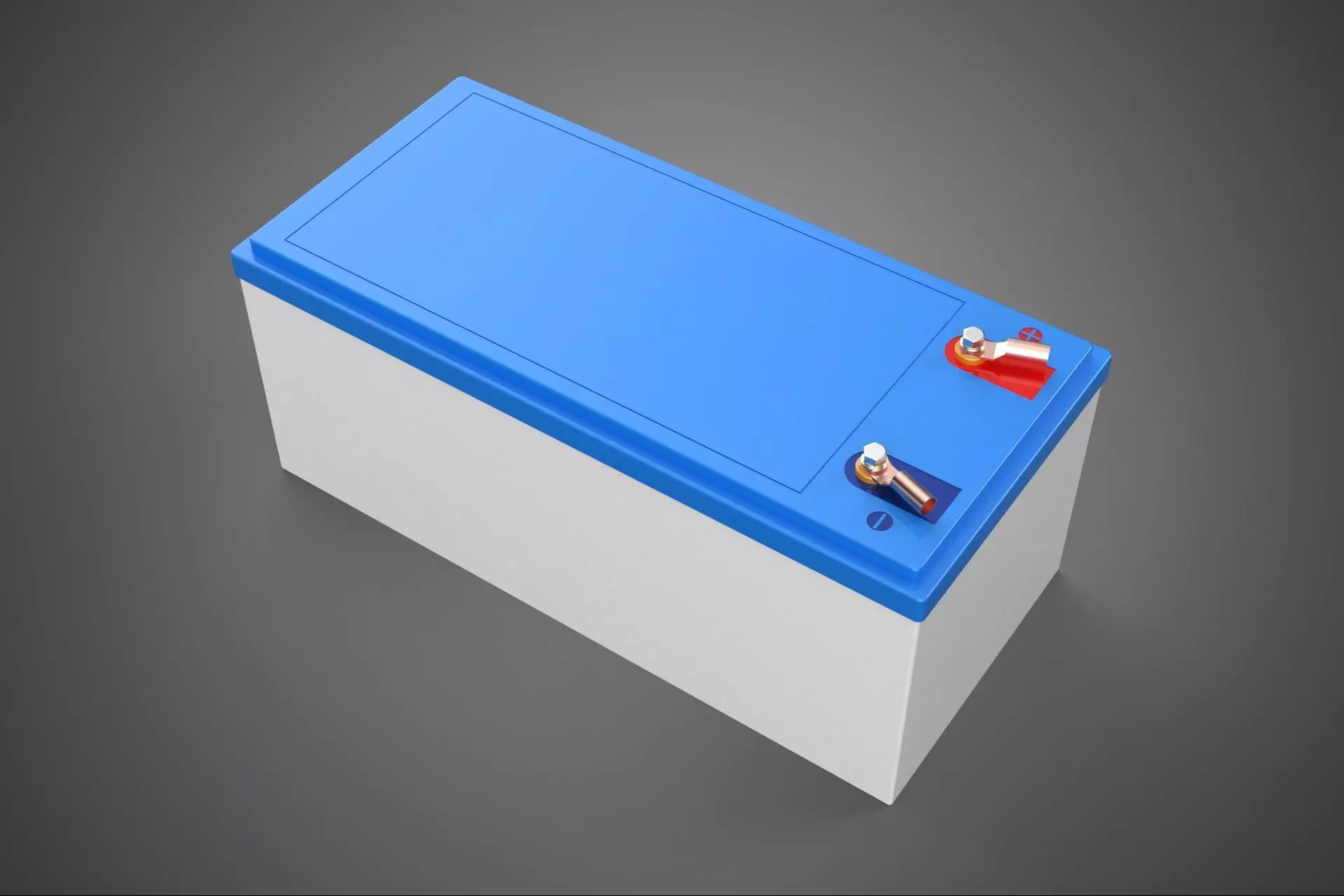
The designation Standard Accu Accumulator Battery Volt Power Supply Industrial refers to a classification of robust, high-specification, rechargeable electrochemical energy storage systems designed primarily for demanding industrial, commercial, and critical infrastructure applications. These devices, often generically termed accumulators or secondary batteries, are engineered to deliver reliable electrical potential (voltage) and consistent power output within environments requiring high durability, extended operational life, and stringent safety adherence.
Nomenclature and Definition
The terms Accu (short for accumulator) and Battery are used interchangeably in this context, defining an apparatus that stores energy chemically and releases it as electricity. The Standard prefix denotes adherence to established industry metrics, including specific voltage profiles (e.g., nominal 12 V, 24 V, 48 V, or higher DC bus voltages), standardized physical form factors (such as DIN, BCI, or IEC specifications), and predefined performance metrics (e.g., amp-hour capacity, cold-cranking amps for motive applications, and float voltage requirements for stationary service).
Industrial accumulator systems contrast sharply with consumer-grade batteries primarily through their construction, which prioritizes resilience against mechanical shock, vibration, extreme temperatures, and deep-cycle usage required by continuous operation machinery and mission-critical backup systems.
Primary Chemistries and Standard Types
Industrial standards necessitate chemistries that balance energy density with longevity, reliability, and cost-efficiency. The three most prevalent standardized types include:
- Lead-Acid Batteries (LA):
- Flooded/Vented (LA): Typically used in motive power (e.g., forklifts, electric vehicles) and large stationary installations (e.g., utility switchgear). They offer robustness and long float life but require maintenance.
- Valve-Regulated Lead-Acid (VRLA): Includes Absorbed Glass Mat (AGM) and Gel technologies. Standardized VRLA batteries are primary power sources for Uninterruptible Power Supplies (UPS), telecommunications facilities, and control systems, valued for their sealed, maintenance-free operation and low self-discharge rate.
- Nickel-Cadmium (NiCd): While facing regulatory restrictions due to cadmium toxicity, industrial NiCd accumulators remain a standard choice for extreme operating conditions (high temperatures, deep cycling) and applications requiring high reliability in remote locations (e.g., oil and gas pipelines, railway signaling).
- Lithium-Ion (Li-ion) Industrial Variants: Specifically, Lithium Iron Phosphate (LiFePO4) has become a standardized industrial choice due to its high cycle life, enhanced safety profile (resistance to thermal runaway), and superior energy density compared to lead-acid, rapidly displacing legacy chemistries in industrial mobile equipment and modular energy storage systems (ESS).
### Electrical Specifications and Output
Industrial power supplies utilize accumulator banks to ensure stable DC voltage continuity. Key standardized voltage levels include:
- 12 V / 24 V: Common for heavy-duty vehicle electronics, light machinery, and small UPS systems.
- 48 V / 60 V: Standardized for telecommunication (telco) equipment and centralized DC power distribution.
- 110 V / 220 V DC: Historically used in utility substations and critical emergency lighting systems.
The standard industrial unit is defined not only by its nominal voltage but also by its capacity, measured in Ampere-hours (Ah), and its ability to sustain a high current discharge profile appropriate for the application—such as providing high momentary power for switchgear operation or sustained discharge for lengthy brownout protection.
### Industrial Applications and Environmental Standards
The stringent demands of the industrial sector mandate adherence to specific environmental and performance standards (e.g., UL, IEEE, TIA/EIA). Industrial accumulator batteries serve critical functions across diverse sectors:
- Critical Backup (UPS): Providing seamless transition power for data centers, medical facilities, and industrial control rooms (SCADA).
- Motive Power: Supplying traction power for manufacturing automation, materials handling equipment (forklifts), and automated guided vehicles (AGVs).
- Switchgear and Substations: Used for opening and closing high-voltage circuit breakers, ensuring power grid stability.
- Renewable Energy Integration: Providing necessary storage (ESS) for solar and wind farms to manage intermittency.
- Remote Telemetry and Monitoring: Powering sensors and communication equipment in isolated or hazardous locations.
Industrial standardization ensures compatibility between accumulator units and the charging infrastructure, minimizing maintenance complexity and guaranteeing reliable performance within specified temperature and humidity ranges.
---
KEYWORDS: Rechargeable Battery, Industrial Power Supply, Accumulator, Secondary Battery, Lead-Acid, VRLA, AGM, Gel Cell, NiCd, Lithium Iron Phosphate, UPS System, Motive Power, Energy Storage System, Critical Infrastructure, DC Voltage, Nominal Voltage, Ampere-Hour, Float Charging, Deep Cycle, Battery Management System, Standardization, IEEE, Telco Power, Switchgear, Power Grid, Standby Power, Cycle Life, Thermal Management, SCADA, Robustness.